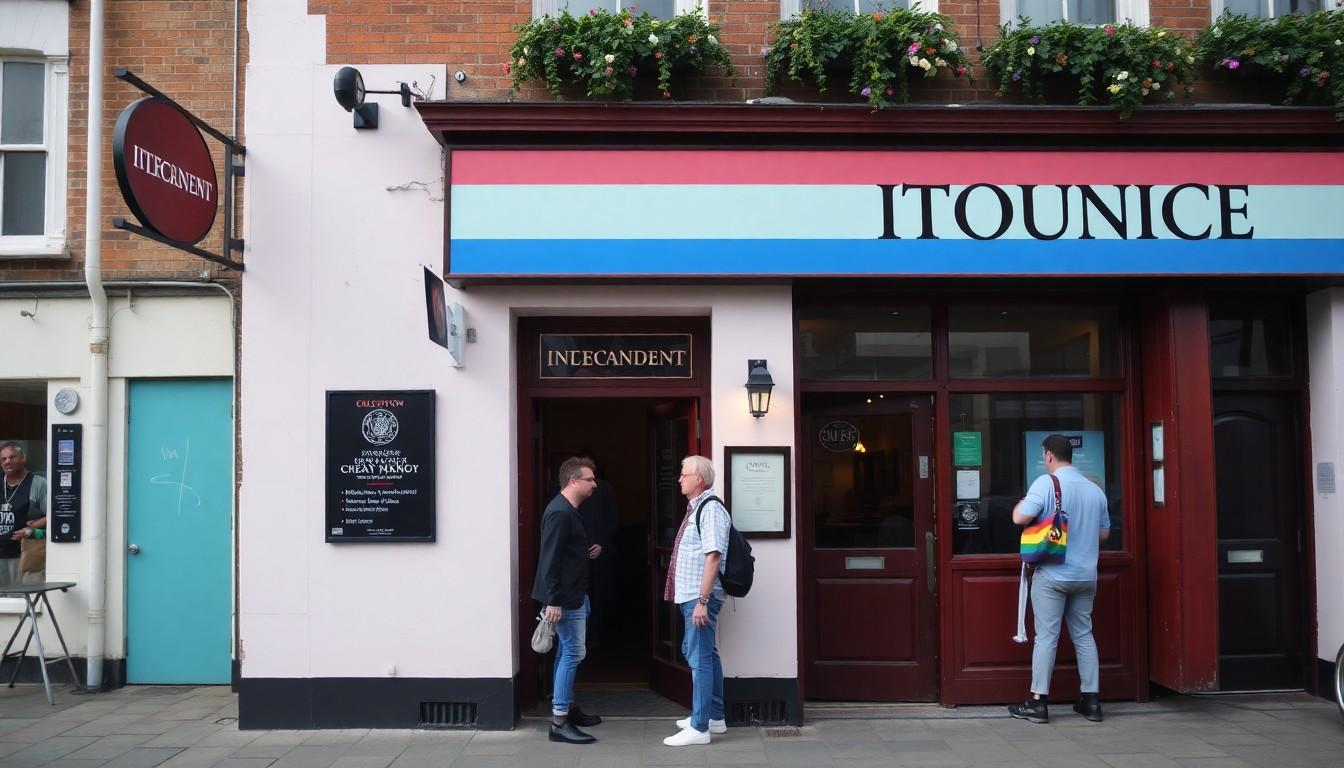
Brighton’s celebrated LGBTQ+ nightlife is facing a painful squeeze, with rising costs, closures and licensing pressures threatening the venues that make the city feel welcoming after dark. Campaigners and politicians are now debating how to keep independent bars open, support safer nights out and make the city’s night-time economy work for locals again.
Essential Takeaways
- Two familiar venues have closed: R Bar and Charles Street Tap were important parts of Brighton’s LGBTQ+ scene.
- Affordability is central: Higher household bills and expensive operating costs are making regular nights out harder to sustain.
- Venues need practical support: Proposed measures include business-rate relief, licensing changes and help for new operators.
- Safety remains vital: LGBTQ+ spaces can offer reassurance and community, particularly for trans and non-binary people.
- Brighton is looking beyond nightlife alone: The city is considering wider ways to balance residents, businesses, transport and evening visitors.
Brighton's LGBTQ+ nightlife is under pressure
Brighton can still deliver a brilliant night out, but the mood has become noticeably less carefree. The city’s LGBTQ+ bars and clubs are losing ground as bills rise, customers cut back and familiar venues disappear from the map.
The closure of R Bar and Charles Street Tap has sharpened that concern. Reporting on the local crisis, The Brighton Starling linked R Bar’s departure to rising costs, while Chris Ward MP has met venues in Kemptown to discuss the impact of the closures.
For many people, these places are more than somewhere to buy a drink. They’re meeting points, social lifelines and spaces where people can relax without explaining themselves. That matters even more when some trans and non-binary people already feel anxious about using public facilities or being challenged while out.
Why going out now feels like a luxury
The biggest problem is brutally ordinary: nightlife costs money. Rent, food and energy bills leave less room for a few drinks, a taxi home or an entry fee, while venues themselves face higher wages, supplies, insurance and energy charges.
That creates a frustrating loop. Customers stay home because prices feel steep, but venues need those customers to cover costs. Industry debate reported by Brighton and Hove News has focused on government measures and the wider pressures pushing the city’s nightlife towards a precarious point.
Shorter opening hours add another layer of difficulty. A venue may be open fewer nights, yet still carry many of the same fixed costs. Meanwhile, youth unemployment and insecure work can make the night-time economy feel increasingly out of reach for younger residents.
Can licensing policy give independent venues a fairer chance?
Licensing is one area where local decisions can make a practical difference. Brighton and Hove City Council says its licensing policy is designed to protect people while supporting the local economy, but the balance is rarely simple.
Noise complaints are a familiar flashpoint, especially when flats are built close to established pubs and clubs. A more consistent approach could consider which arrived first, rather than leaving long-standing venues to absorb every new objection.
That doesn’t mean ignoring residents. It means giving operators clearer guidance and a fair route through disputes, instead of expecting small businesses to manage complicated negotiations while already struggling to keep the lights on.
What could Brighton learn from other cities?
One proposal is a dedicated night-time economy adviser who could mediate between venues, residents, police and transport providers. It’s a modest-sounding role, but a useful one: small operators often need someone who understands the whole system, not just one licensing application.
Other ideas include rate relief for venues that provide dedicated LGBTQ+ or vulnerable-community spaces. Brighton and Hove News has highlighted the scale of the emergency, while Brighton Journal has examined how the city’s night-time economy is adapting rather than simply retreating.
Empty premises could also be part of the answer. When a venue shuts, a quick and affordable route for another independent LGBTQ+ operator to take over could prevent valuable spaces being lost to redevelopment or chain businesses. A boarded-up unit rarely improves a high street’s atmosphere.
Brighton's next nightlife strategy needs both protection and realism
Political parties are now arguing over who has done enough, with Brighton and Hove Liberal Democrats blaming national government measures for worsening the situation. At the same time, local representatives are calling for a more coordinated response and greater attention to the city’s cultural identity.
The challenge is to avoid treating nightlife as either a nuisance or a guaranteed economic engine. A healthy evening economy needs safe transport, sensible licensing, affordable premises and enough customers who can actually afford to participate.
Brighton’s LGBTQ+ venues have helped define the city’s character for decades. Protecting them won’t be easy, and no council scheme can solve the cost-of-living crisis alone. But practical support could buy time, preserve choice and help ensure the city remains open after dark in more than just name.
A lively city needs somewhere welcoming to go when the sun goes down.
Source Reference Map
Story idea inspired by: [1]
Sources by paragraph: