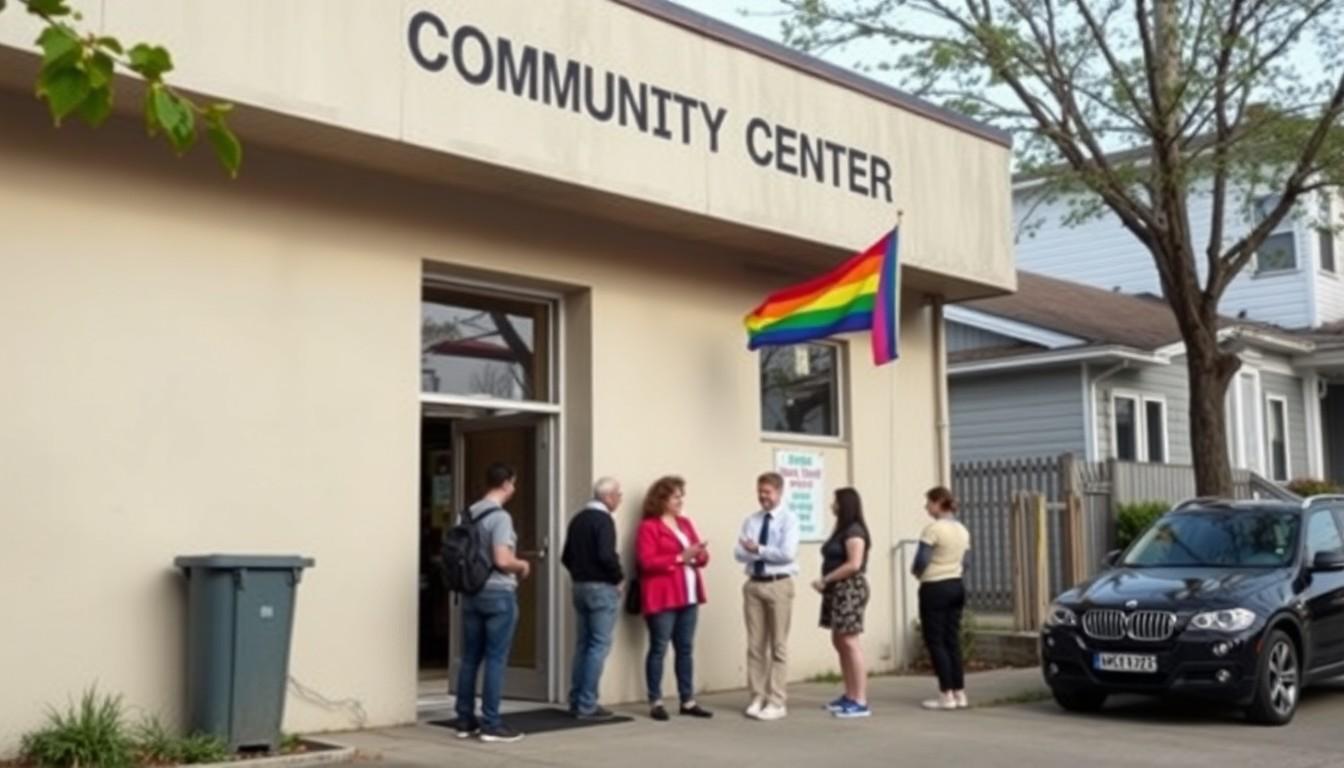
Advocates in Houston are highlighting the risks facing trans Latina immigrants, from detention and deportation to language barriers and homelessness. Their message is urgent: safety, healthcare and legal support must reflect the overlapping realities of being transgender, racialised and undocumented.
Essential Takeaways
- Detention can be dangerous: Research links transgender detainees with heightened exposure to sexual harassment and assault.
- Language affects healthcare: Spanish-language support and respect for chosen names can make services more accessible.
- Housing remains vital: Emergency shelters have offered a lifeline to trans immigrants facing homelessness.
- Advocacy goes beyond protest: Community groups combine legal referrals, health support, emergency aid and cultural events.
- Intersectionality matters: Immigration status, race, gender identity and language can compound vulnerability.
A Pride float with a serious message
The striking image at Houston’s Pride celebration was hard to miss: trans women seated inside a mock prison cell, surrounded by signs opposing detention and deportation. It was theatrical, but there was nothing frivolous about the point being made.
The display came from Organización Latina de Trans en Texas, known as OLTT, which has spent years supporting trans, gender-nonconforming and LGBTQIA+ people across Texas. Its campaign reflects a wider concern about what happens to transgender immigrants once they enter a detention system that may not recognise their gender identity or protect them adequately.
Research indexed by PubMed has found that transgender people in detention face serious risks of sexual victimisation. Broader justice data from the US Office of Justice Programs also tracks sexual victimisation in prisons, underlining why campaigners continue to demand safer placement, better oversight and meaningful access to complaints procedures.
Why detention is especially risky for trans women
For trans women, detention can create a particularly harsh combination of isolation, surveillance and exposure to violence. Housing decisions that ignore gender identity may place women alongside men, while fear of harassment can make it difficult to report abuse or seek medical attention.
The concern isn't abstract. Federal justice research continues to document sexual victimisation in custodial settings, while health researchers have warned that transgender detainees can be exposed to both staff misconduct and abuse from other prisoners. The result is a system where a person may be physically confined and psychologically afraid at the same time.
That makes practical safeguards essential. Facilities need clear policies on gender-appropriate housing, confidential reporting, access to hormone treatment and trained staff who understand transgender healthcare. Without those basics, detention becomes more than a legal process; it can become a serious threat to someone's wellbeing.
Healthcare access starts with being recognised
OLTT's work also shows how small administrative details can have a major effect. Being called by a chosen name, addressed with the right pronouns and offered information in Spanish can determine whether someone feels safe enough to return to a clinic.
For trans Latina immigrants, language and documentation can overlap in complicated ways. A person may be trying to access hormones, mental health care or surgery while also worrying about immigration status, cost and whether staff will understand their needs. A cold reception at the front desk can be enough to stop that process before it begins.
Health and justice researchers have repeatedly pointed to the vulnerability of transgender people in institutional settings. That evidence supports a straightforward lesson for providers: inclusive care isn't an optional extra. It should include bilingual communication, respectful records, trained clinicians and clear routes to specialist support.
Emergency housing can mean more than a roof
Housing has been another central part of the response. Casa Anandrea, an emergency shelter created through OLTT, was designed largely for trans immigrant Latinas and later welcomed other vulnerable members of Houston's LGBTQ community.
Its role expanded as people left immigration detention with nowhere to go, including families with children. The shelter eventually closed in late 2024, but its history illustrates how quickly a community organisation can become an informal safety net when public systems leave gaps.
The wider detention research adds weight to that point. When people are exposed to sexual victimisation and institutional stress, safe housing after release isn't simply a charitable gesture. It can help someone recover, find legal assistance, reconnect with healthcare and avoid being pushed straight back into danger.
Community power is built through care and celebration
OLTT's approach isn't limited to emergencies. Its Spanish-language meetings, remembrance events, community gatherings and pageants create spaces where trans Latina people can be visible on their own terms.
That matters because advocacy can easily become crisis-focused. People need help with detention and housing, but they also need friendship, recognition and opportunities to lead. A crown, a conference place or a march invitation may sound modest beside a legal case, yet these moments can build confidence and open doors.
The organisation's emphasis on bringing more people into the spotlight also challenges a familiar pattern in LGBTQ politics. Trans women, particularly women of colour and immigrants, can be highly visible when their stories serve a campaign but overlooked when resources and influence are shared out. The strongest movements are the ones that don't leave the people doing the hardest work behind.
The next fight is making protection real
The message from Houston is clear: trans Latina immigrants can't be understood through a single label. Gender identity, race, immigration status, language and poverty can all shape a person's access to safety.
That layered reality should guide policy as well as charity. Advocates need funding for bilingual services, emergency accommodation, legal referrals and gender-affirming healthcare, while detention authorities need stronger protections and independent accountability. Federal data on sexual victimisation shows why these demands deserve more than sympathetic applause.
For communities facing such high stakes, solidarity has to be practical. A safe referral, a translated form or a place to sleep may not make headlines, but it can change the course of someone's week, and sometimes their life.
Small acts of protection become powerful when a whole community commits to them.
Source Reference Map
Story idea inspired by: [1]
Sources by paragraph:
- Paragraph 1: [2], [3]
- Paragraph 2: [4], [5]
- Paragraph 3: [2], [6]
- Paragraph 4: [3], [7]
- Paragraph 5: [2], [4]
- Paragraph 6: [5], [6]
- Paragraph 7: [3], [7]
- Paragraph 8: [2], [5]
- Paragraph 9: [4], [6]
- Paragraph 10: [3], [7]
- Paragraph 11: [2], [4]
- Paragraph 12: [5], [6]
- Paragraph 13: [3], [7]
- Paragraph 14: [2], [5]
- Paragraph 15: [4], [6]
- Paragraph 16: [3], [7]
- Paragraph 17: [2], [4]
- Paragraph 18: [5], [6]
- Paragraph 19: [3], [7]
- Paragraph 20: [2], [5]
- Paragraph 21: [4], [6]
- Paragraph 22: [3], [7]
- Paragraph 23: [2], [4]
- Paragraph 24: [5], [6]
- Paragraph 25: [3], [7]
- Paragraph 26: [2], [5]
- Paragraph 27: [4], [6]
- Paragraph 28: [3], [7]