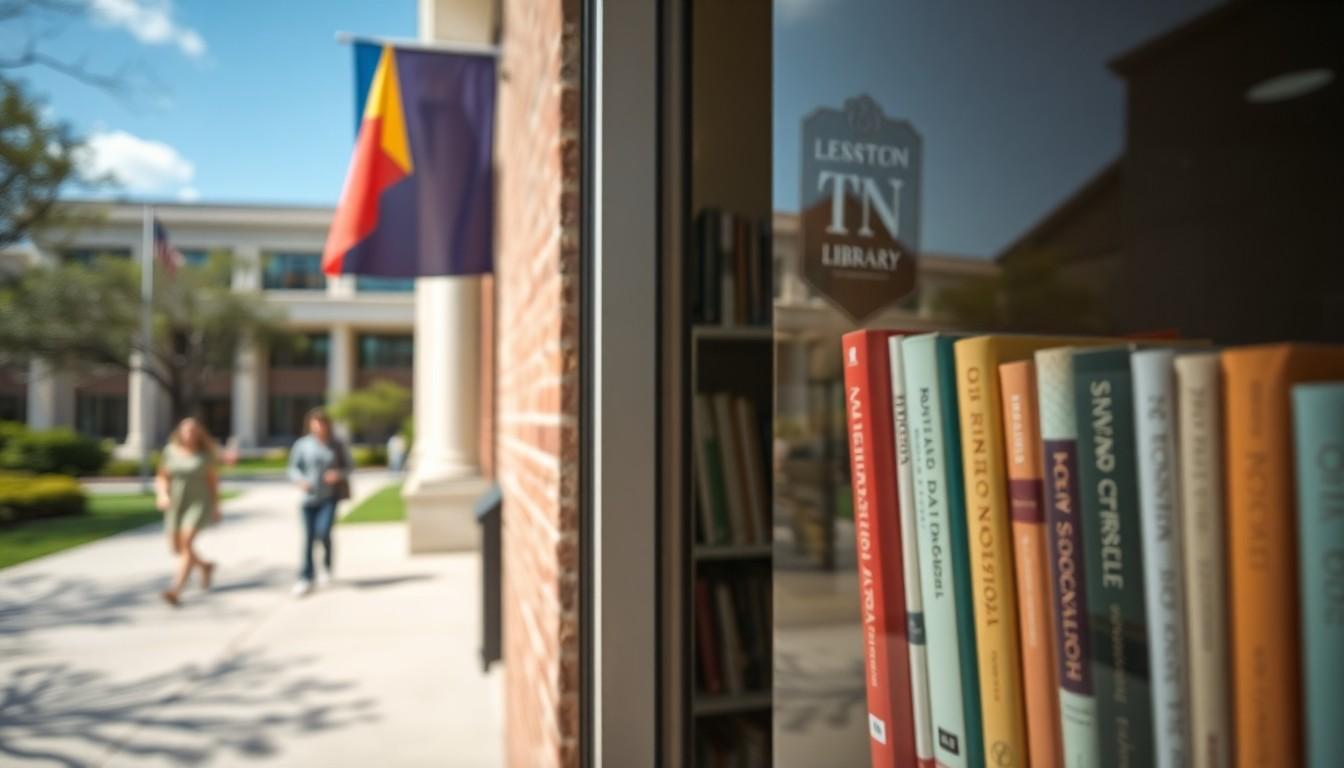
Schools are facing renewed scrutiny over books and course materials covering LGBTQ+ lives, race and gender identity. In Texas, a legal challenge to Texas Tech policies has brought the debate into sharp focus, raising a bigger question: what do students lose when inclusive stories disappear from classrooms and libraries?
Essential Takeaways
- Representation matters: Inclusive books can help students feel recognised, less isolated and more connected to school.
- The dispute reaches beyond libraries: Texas Tech policies have led to some teaching materials being flagged, restricted or removed.
- Real history is at stake: Reported examples include lessons on Holocaust persecution, race and care for trans patients.
- Book challenges remain widespread: LGBTQ+ themes, race and gender identity continue to feature prominently in disputes over school reading.
- The practical lesson: Students need broad, accurate knowledge to work with people whose lives differ from their own.
A book can make a classroom feel less lonely
For a student searching for signs that they belong, finding a familiar character or experience in a book can be quietly powerful. It might be a story about identity, family, discrimination or simply the ordinary joys of growing up. The effect isn't flashy, but it can make a school day feel less isolating.
Lambda Legal argues that removing LGBTQ+ stories and the experiences of people of colour narrows students' understanding of the world. Research and commentary gathered by PEN America similarly point to the disproportionate effect of book bans on LGBTQ+ expression, particularly when young readers are denied access to stories that reflect their lives.
That doesn't mean every book suits every age group, or that schools shouldn't make thoughtful choices. It does mean that blanket removals can turn a question of suitability into a much broader decision about whose experiences are allowed to be visible.
Texas brings the classroom debate into focus
The dispute at Texas Tech concerns policies requiring teaching staff to identify course content relating to race, sexual orientation and gender identity for review. Lambda Legal, the Legal Defense and Educational Fund and Davis Wright Tremaine are challenging those rules on behalf of the American Association of University Professors.
Inside Higher Ed reported that faculty members say the policy has created a chilling effect, making lecturers think twice before teaching material that could attract scrutiny. The Washington Post also covered the lawsuit, describing it as part of a wider battle over how universities teach race, gender and identity.
The reported consequences are striking. Lessons have been restricted on the persecution of gay and bisexual men during the Holocaust, race in the context of Dred Scott v. Sandford, and guidance for treating trans patients. Those aren't fringe subjects. They're part of history, law and healthcare, where leaving gaps can have serious consequences.
Why the issue is bigger than one reading list
Book bans often arrive one title at a time, but the pattern can be harder to ignore when viewed together. Axios' reporting on the most challenged books of 2023 found that titles involving LGBTQ+ identities and race featured prominently among disputes, while wider reporting has tracked a growing use of restrictions around educational content.
For publishers, librarians and teachers, that creates a difficult atmosphere. A challenge may focus on a single scene or phrase, yet the result can be that an entire book is removed from a shelf or kept out of reach. For students, the experience is less abstract: the story they wanted to find simply isn't there.
PEN America has warned that these restrictions can disproportionately affect LGBTQ+ writers and readers. That matters because a curriculum already contains choices about which authors, events and viewpoints receive space. Removing more material from under-represented communities can leave the final picture noticeably thinner.
Inclusive education prepares students for ordinary life
The strongest argument for inclusive teaching is practical. Students will become doctors, teachers, lawyers, managers, neighbours and friends in communities made up of people with different identities and histories. Understanding those differences isn't an optional extra; it's part of functioning in the real world.
A future clinician may treat a trans patient. A teacher may support a child from a family unlike their own. A lawyer may represent someone whose experience of race, religion or sexuality is completely unfamiliar. Broad learning gives students context before those encounters happen, rather than asking them to improvise later.
That is why inclusive education isn't about telling young people what to think. At its best, it's about giving them enough information to ask better questions, recognise bias and understand how the past shapes the present. It also gives students the chance to see that their own lives belong within the story of society.
What parents and educators can look for
The most useful response isn't to treat every challenged title as automatically perfect, nor to accept every removal as sensible. Parents can ask what a book actually contains, why it has been challenged and whether the concern relates to age suitability, factual accuracy or discomfort with a particular identity.
Educators can also look for balance without confusing balance with erasure. A strong reading list might include different voices, historical context and space for respectful discussion. Libraries, meanwhile, can help families find age-appropriate alternatives when a particular title isn't right, without making an entire community's stories disappear.
The debate is unlikely to fade soon. Recent reporting from Euronews and other outlets suggests that disputes over books and educational content are becoming part of a wider political fight. But for students, the basic need remains refreshingly simple: they want honest learning, stories that feel real and the chance to understand people beyond their own experience.
Inclusive books don't solve every problem in education. They can, however, open a door - sometimes to recognition, sometimes to empathy and sometimes to a history that would otherwise remain hidden.
It's a small classroom choice with a surprisingly lasting impact.
Source Reference Map
Story idea inspired by: [1]
Sources by paragraph: