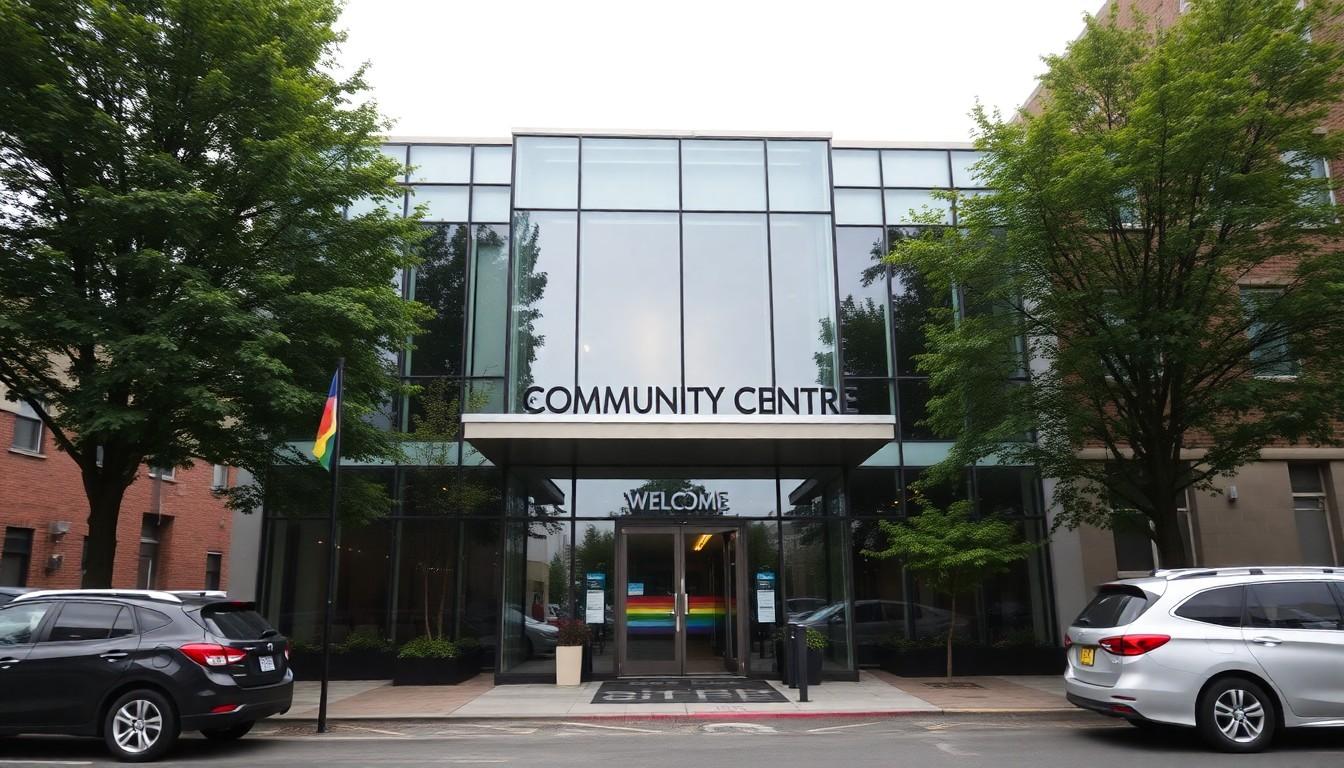
Security concerns around Pride events are drawing fresh attention as authorities investigate alleged plots targeting LGBTQ+ gatherings, venues and communities. From Philadelphia to Detroit and beyond, the cases underline why organisers, police and visitors need clear threat assessments without turning complex incidents into sweeping claims about entire faiths or migrant communities.
Essential Takeaways
- Threats have appeared repeatedly: Authorities have investigated alleged plans involving Pride parades, gay venues and LGBTQ+ events in several American cities.
- Targets are often symbolic: Large public gatherings can attract extremists because they offer visibility, crowds and predictable routes.
- The risks aren't limited to one ideology: Extremist threats can emerge from different political, religious or personal motivations.
- Security planning matters: Reporting concerns early, following venue guidance and avoiding unattended bags remain practical precautions.
- Context is crucial: Individual criminal cases shouldn't be used to label whole communities or religions.
Pride events remain visible targets for extremists
Large Pride parades are joyful, colourful and deliberately public. That visibility is also what makes them a potential target for anyone seeking maximum attention, according to reporting by The Jerusalem Post and CBS News.
Authorities have examined alleged plans involving Pride routes in Philadelphia and other American cities. In one Philadelphia case, CBS News reported that a teenager was accused of discussing an attack on the parade, highlighting how online conversations can move from hateful rhetoric towards real-world planning.
The unsettling part is the contrast. A street filled with music, flags and families can feel wonderfully open, yet that same openness creates a security challenge. Police must protect people without making the event feel like a fortress.
Alleged plots span parades, clubs and online spaces
The threat picture is broader than one type of gathering. Gay bars and nightclubs have previously featured in extremist cases, while Pride parades bring large crowds into exposed outdoor spaces.
The Counter Extremism Project's account of the Orlando nightclub attack describes how an ISIS-inspired gunman killed 49 people at Pulse in 2016. That tragedy remains a grim reference point for security professionals because it combined ideological propaganda, a crowded venue and a community already facing hostility.
Other cases show how alleged attackers can use online platforms to express intent, seek encouragement or discuss practical details. A report published by The Jerusalem Post examined a later alleged plot involving LGBTQ+ targets, reinforcing the importance of treating digital threats seriously rather than dismissing them as mere provocation.
Why attribution needs care, not shortcuts
It is fair to examine ideology when prosecutors, court records or investigators identify it as part of a case. But it is not fair or accurate to turn individual offences into evidence against every Muslim person, migrant or member of a national community.
That distinction matters in coverage of terrorism, especially when claims are based on politically charged commentary rather than independently verified court documents. The available sources describe specific suspects and alleged actions, but they don't support a blanket conclusion about Islam or Muslims as a whole.
The better question is practical: what did investigators know, what warning signs appeared, and what safeguards could reduce the risk next time? That approach helps LGBTQ+ communities without feeding the kind of collective suspicion extremists themselves want to create.
What organisers and visitors can do
For organisers, the basics remain powerful. Work closely with police and emergency services, assess route access, secure vehicle barriers where appropriate, monitor online threats and create clear evacuation and medical plans. Staff should also know how to report suspicious behaviour without confronting someone unnecessarily.
Visitors can keep things simple. Follow instructions, note the location of exits, avoid leaving bags unattended and report credible concerns to stewards or police. If a venue or parade issues a change of route or entry procedure, it's worth treating that update as useful information rather than an inconvenience.
Meanwhile, journalists and readers should separate confirmed facts from speculation. The reports from CBS News, The Jerusalem Post and the Counter Extremism Project show why that discipline matters: the details of each case are different, even when the intended target appears similar.
Pride security will stay part of the conversation
Pride events aren't going away, nor should they. Their continued popularity reflects the importance of public visibility for LGBTQ+ people, but organisers will increasingly have to balance celebration with professional security planning.
That doesn't mean surrendering the atmosphere that makes Pride special. It means protecting it intelligently, with evidence-led assessments and language that identifies genuine threats without blaming entire communities. Everyone deserves to enjoy a parade without fear, and everyone benefits when the facts are handled responsibly.
Stay alert, follow sensible guidance and keep the focus on protecting people, not dividing them.
Source Reference Map
Story idea inspired by: [1]
Sources by paragraph:
- Paragraph 1: [2], [3]
- Paragraph 2: [7]
- Paragraph 3: [6]
- Paragraph 4: [2]
- Paragraph 5: [3], [4]
- Paragraph 6: [6]
- Paragraph 7: [2]
- Paragraph 8: [3], [4]
- Paragraph 9: [5]
- Paragraph 10: [7]
- Paragraph 11: [6]
- Paragraph 12: [2], [3]
- Paragraph 13: [7]
- Paragraph 14: [6]
- Paragraph 15: [2], [3]
- Paragraph 16: [4], [5]