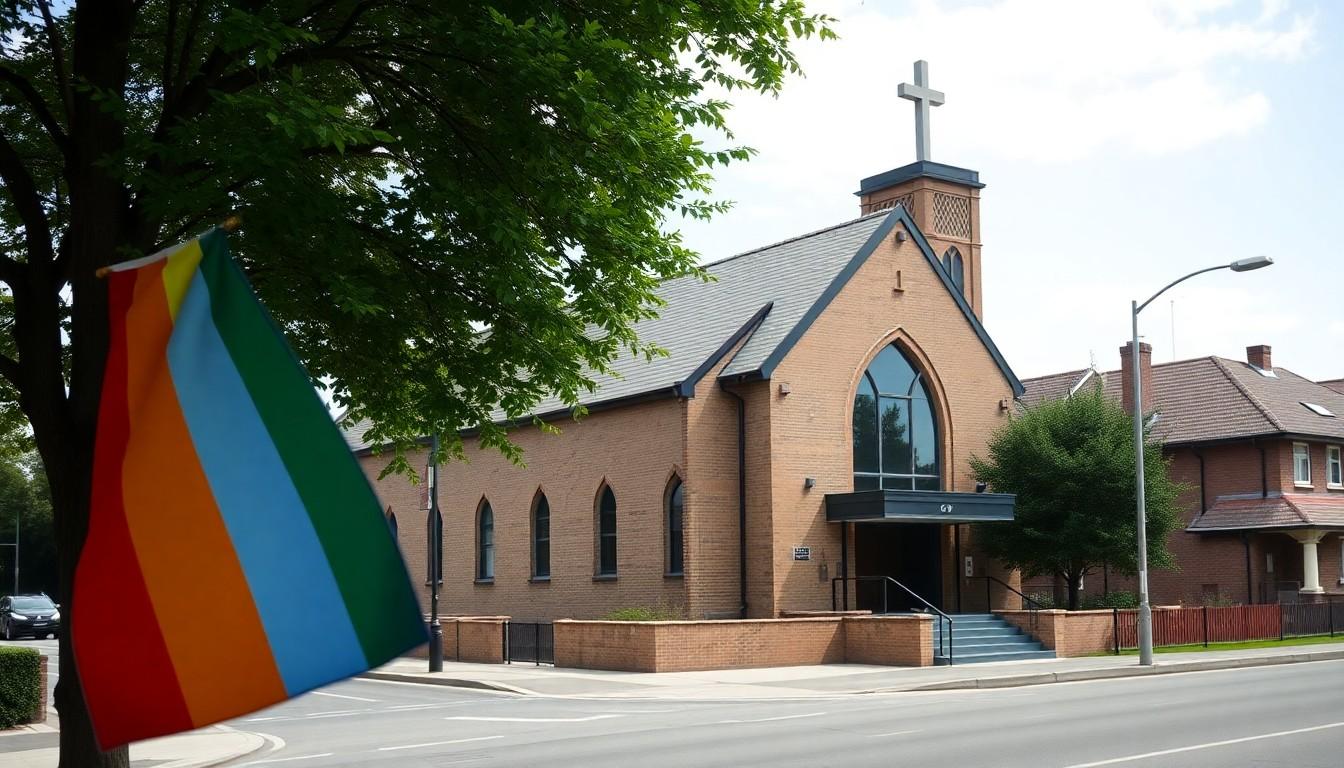
Church members in Newcastle are being invited to read Romans 8 through the realities of modern relationships, power and inclusion. The reflection matters because it links personal decisions with Christian discipleship, while acknowledging the Anglican Church's continuing disagreement over same-sex intimacy, marriage and ministry.
Essential Takeaways
- The central question: Christians are encouraged to ask whether their choices reflect the way of Jesus.
- Romans 8 focus: Life in the Spirit is presented as trust in God's grace, rather than self-reliance or rule-following alone.
- Consent is not enough: Dignity, honesty, shared power, vulnerability and freedom also matter in relationships.
- Historical caution: Roman attitudes to sex were shaped by status and power, so they shouldn't be transferred directly to modern Australia.
- Inclusion remains contested: Newcastle Anglicans support inclusion, while wider Anglican debates over same-sex blessings and marriage continue.
Romans 8 offers more than a lesson in personal morality
Romans 8 is often remembered for its soaring reassurance that nothing can separate believers from God's love. In this Newcastle Anglican reflection, however, the chapter also becomes a guide for navigating difficult decisions, including relationships, desire and responsibility.
The emphasis is less on producing a neat checklist and more on learning to live attentively. As the accompanying Bible reflection explains, Paul's contrast between flesh and Spirit isn't simply about physical bodies or sexual behaviour. It's about the pull towards immediate self-satisfaction without considering God, other people or the wider consequences.
That makes the passage feel unexpectedly current. In a culture built around choice and convenience, the invitation to pause before acting can be quietly radical.
Why the Roman world needs careful handling
The reflection warns against treating ancient Rome as though it operated with today's ideas about sexuality and relationships. Roman sexual ethics were strongly influenced by social rank, gender and ownership, rather than the modern concept of sexual orientation.
A powerful free man could exercise control over enslaved people in ways that exposed the brutal limits of Roman consent. The point isn't to excuse the culture, but to recognise that its categories don't map neatly onto contemporary Australia.
That historical distinction is important in current Anglican debates. ABC reporting has described deep divisions within the Australian church over same-sex marriage, while later coverage showed those disagreements developing into wider organisational fractures. The past can illuminate the present, but it shouldn't be used as a shortcut around careful moral reasoning.
The practical test is dignity, power and faithfulness
The Newcastle message sets out a broad framework for relationships. It asks whether people are treated as persons rather than possessions, whether consent is genuinely free, whether power is shared and whether coercion, intimidation or manipulation are absent.
It also places weight on restraint and commitment. That doesn't mean every relationship must follow an identical path, or that leaving is wrong when safety and wellbeing are at stake. Instead, it challenges the habit of treating people as temporary answers to immediate needs.
For anyone asking how to choose a healthy Christian relationship today, these questions are more useful than a single label. Is there honesty? Is each person able to make a free decision? Does the relationship help both people flourish? Those are demanding questions, but they apply across traditional and same-sex relationships alike.
Same-sex blessings remain part of a larger church dispute
The reflection acknowledges that Anglicans remain divided over whether same-sex intimacy can be holy. It also notes that the Church has already made room for blessings of same-sex couples, while disagreement continues over marriage and the expectations placed on ordained ministers.
That tension has played out publicly across Australia. The Anglican Church's highest court ruled that a same-sex wedding blessing in Wangaratta was valid, a decision reported by Anglican News. The ruling didn't erase disagreement, but it showed how questions of pastoral practice and church authority can collide.
In Newcastle, inclusion is presented as part of the diocese's stated ethos, while synod discussions and commentary have continued to expose competing interpretations of Christian faithfulness. The result is a church trying to hold conviction and belonging together, with no easy sentence capable of resolving the argument.
Life in the Spirit is an invitation to let go
The Bible reflection's most distinctive thread is its criticism of what writer Parker Palmer calls "functional atheism", the tendency to behave as though everything depends on human effort. Read alongside Romans 8, that idea turns the chapter into an antidote to control, anxiety and spiritual exhaustion.
Living in the Spirit therefore means more than obeying rules correctly. It involves trusting God's grace, remaining open to change and allowing the Christian community to help believers test their assumptions. The examples of Peter's changing understanding in Acts 10 and the early church's discernment reinforce that message.
The closing prayer reflection brings the idea down to earth. Sometimes, after words have run out, attentive silence becomes a way of hearing another person again. It's a gentle image for a church debate that often sounds loud: before anyone can build community, someone has to listen.
It's a challenging reading of Romans 8, but also a hopeful one: faith is meant to shape how people treat one another, not simply what they say they believe.
Source Reference Map
Story idea inspired by: [1]
Sources by paragraph: