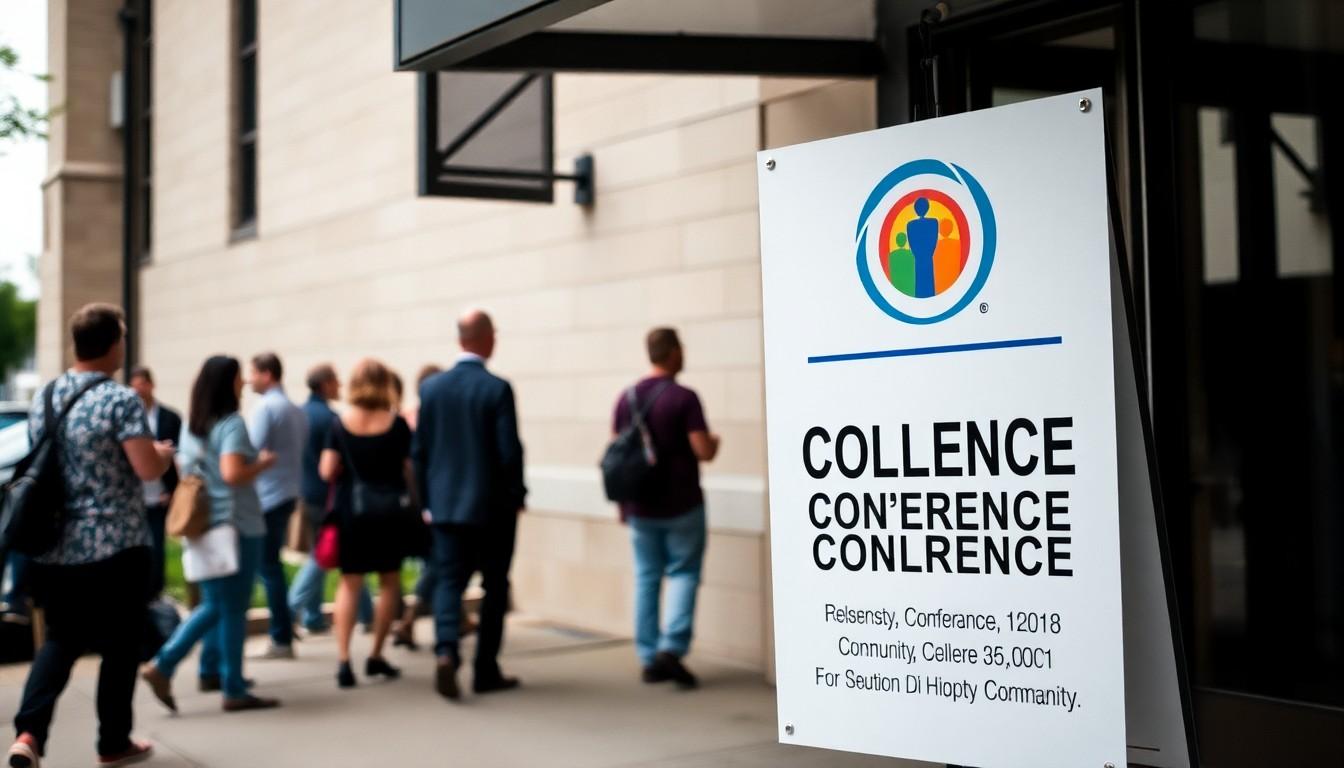
Church leaders and campaigners gathered in Minneapolis to mark 50 years of LGBTQ+ inclusion in the Episcopal Church, but retired Bishop Gene Robinson says the work is far from finished. His message was both celebratory and urgent: progress matters, yet transgender people and other marginalised communities still need visible solidarity, pastoral care and a genuine place at the table.
Essential Takeaways
- A landmark anniversary: The Episcopal Church is marking 50 years since it affirmed LGBTQ+ people’s full and equal claim to the church’s care.
- Robinson’s message: The retired Bishop of New Hampshire says inclusion cannot be considered complete while any group remains excluded.
- Trans rights in focus: He highlighted transgender people as facing particularly intense political and social pressure.
- Stories matter: Organisers want to preserve the memories of older activists and church figures who helped drive change.
- Progress remains uneven: Greater acceptance in many congregations exists alongside continuing disagreements over doctrine, pastoral practice and gender identity.
A 50-year milestone with unfinished business
The mood in Minneapolis was understandably proud. At the Full and Equal Conference, Episcopal leaders, clergy and campaigners gathered to remember a 1976 General Convention resolution declaring that gay people were entitled to the same love, acceptance and pastoral concern as everyone else.
But the anniversary wasn't simply a look back. According to the Episcopal Church, the event was designed to connect the movement's history with its next chapter, bringing together stories, workshops and worship around the continuing push for LGBTQ+ inclusion.
That balance gave the gathering its emotional charge. There was the warm glow of a milestone, but also the clear sense that a promise made decades ago still needs defending in the present.
Robinson, who became the first openly gay bishop in the Episcopal Church, captured that tension in his address. The message was simple but demanding: celebrate the ground won, then keep moving.
Why transgender rights are now central
For Robinson, the most urgent concern is the treatment of transgender people. He argued that public debate has increasingly turned this community into a political target, with disputes involving healthcare, identity documents, schools, workplaces and military service.
That concern sits within a wider Episcopal commitment to human dignity. Church guidance has consistently framed LGBTQ+ inclusion as part of its pastoral and social-justice responsibilities, although the practical meaning of that commitment can vary between congregations.
The debate is hardly abstract for people navigating daily life. A bathroom policy, a form of identification or access to appropriate healthcare can shape whether someone feels safe, recognised and able to participate fully in society. The language may sound institutional, but the consequences are intensely personal.
And this is where the conversation becomes more complicated than a slogan. Some church members support transgender inclusion while raising questions about safeguarding, sport or theology. Others fear those concerns are being used to justify exclusion. A healthier debate, as several voices at the conference suggested, starts by refusing to lose sight of the person behind the argument.
Preserving the movement's memory
One reason the conference mattered was its attention to history. Organisers said the church is losing some of the elders who carried the movement through its earlier, more difficult years, making it increasingly important to record their experiences while those memories remain available.
The Episcopal Church's national commemoration similarly presents the anniversary as an opportunity to honour those who challenged exclusion and helped make a more welcoming church possible. That history includes clergy, writers, organisers, allies and local parishioners whose work rarely made headlines but changed lives nonetheless.
There is something especially useful about this emphasis on ordinary memory. Institutional change can look inevitable in hindsight, as if progress simply arrived on schedule. In reality, it was often built through patient conversations, unpopular decisions and people willing to keep showing up when the outcome was uncertain.
The Full and Equal Conference therefore served as both archive and rallying point. Its workshops and testimonies offered younger members a map of the road behind them, rather than asking them to begin from scratch.
What inclusion looks like at parish level
National resolutions matter, but Robinson suggested that the most meaningful change is often found in local congregations. A parish that welcomes LGBTQ+ worshippers, supports queer clergy and treats families with dignity can make inclusion feel real in a way that official language alone cannot.
The Diocese of Minnesota has continued to host events and conversations focused on participation, community life and the church's public witness. Those efforts reflect a broader pattern across the Episcopal Church, where inclusion is shaped not only by convention votes but also by what happens on Sundays, at parish meetings and in pastoral care.
For people choosing a church, practical signals can be revealing. Look for clear safeguarding policies, inclusive marriage and baptism practices, respectful language, visible support for LGBTQ+ clergy and a willingness to discuss disagreement without treating anyone as a problem to be solved.
That doesn't mean every congregation will have identical views. The more difficult test is whether differences can be handled without stripping people of their dignity or pressuring them to hide who they are.
The next chapter will require patience
The Episcopal Church has made significant progress since the 1970s, and the presence of openly LGBTQ+ bishops and clergy would once have seemed unimaginable to many worshippers. Gene Robinson's own consecration became a defining moment, while later generations have benefited from doors opened by people who faced far greater personal risk.
Yet progress can be fragile. Wider political shifts have made transgender rights especially contentious, while debates over same-sex marriage and the boundaries of communion continue within the church. The question now isn't only whether inclusion is affirmed, but how consistently it is practised when disagreement becomes uncomfortable.
The most constructive outlook may be neither triumphalist nor defeatist. It is the patient conviction that institutions can change, provided people keep telling the truth about what is happening and keep making room for those who have been left outside.
As the conference looked towards the next 50 years, its underlying message was clear. Inclusion isn't a box to tick once and forget. It's a continuing discipline, measured in welcome, courage and the everyday choices that tell people they truly belong.
It's a small sentence with a very large implication: full inclusion only means something when it reaches everyone.
Source Reference Map
Story idea inspired by: [1]
Sources by paragraph:
- Paragraph 1: [2], [3]
- Paragraph 2: [4], [6]
- Paragraph 3: [7], [2]
- Paragraph 4: [3], [5]
- Paragraph 5: [6], [4]
- Paragraph 6: [7], [2]
- Paragraph 7: [3], [5]
- Paragraph 8: [4], [6]
- Paragraph 9: [2], [3]
- Paragraph 10: [5], [6]
- Paragraph 11: [4], [7]
- Paragraph 12: [2], [6]
- Paragraph 13: [3], [7]
- Paragraph 14: [4], [5]
- Paragraph 15: [2], [3]
- Paragraph 16: [6], [7]
- Paragraph 17: [4], [5]
- Paragraph 18: [2], [3]