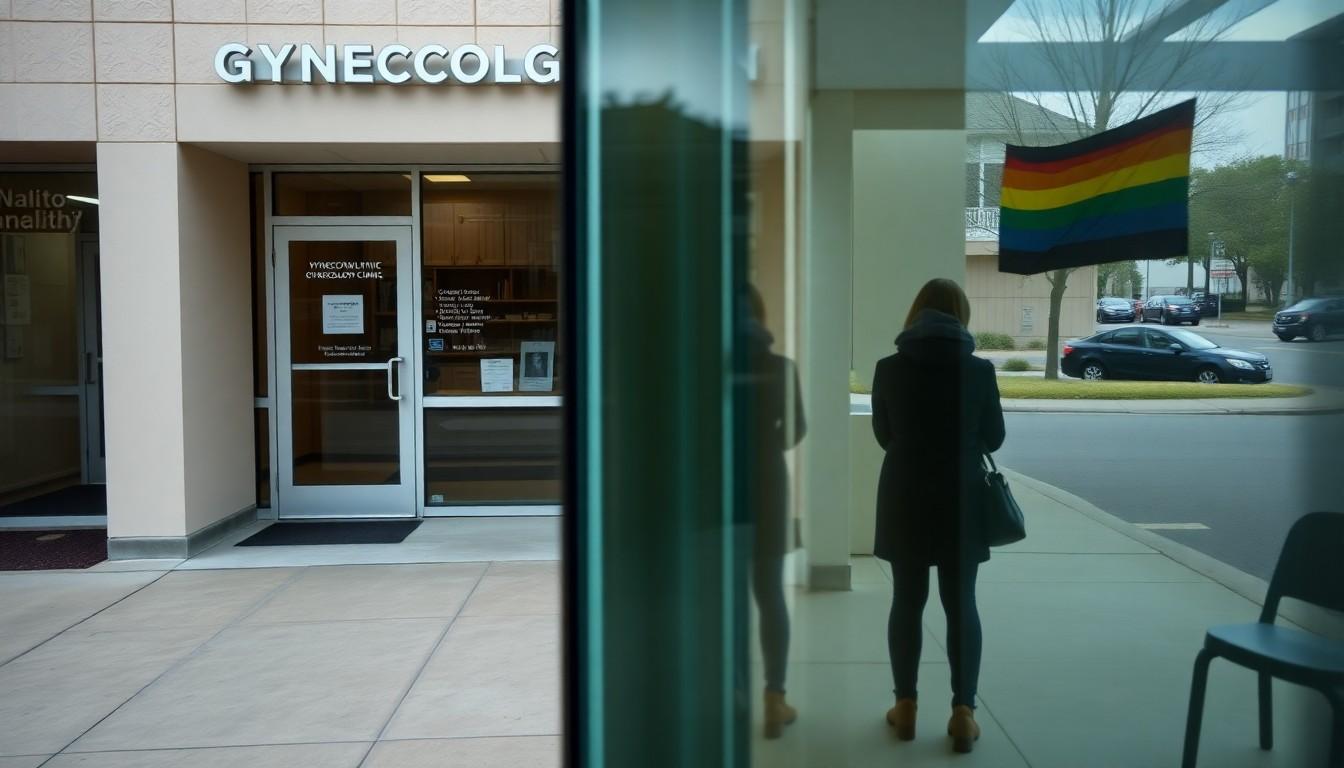
A new US study suggests people with a minority sexual orientation face a heavier physical, psychological and social burden from endometriosis, alongside longer waits for diagnosis and more frequent misdiagnosis. The findings underline why inclusive gynaecological care matters, particularly for patients whose pain has already been overlooked or misunderstood.
Essential Takeaways
- Longer diagnosis journey: Sexual minority participants waited an average of 12.6 years for diagnosis, compared with 7.6 years among heterosexual participants.
- More misdiagnoses: Nearly 84% of sexual minority participants reported at least one misdiagnosis, against 45.4% of heterosexual participants.
- Heavier wider impact: Physical, psychological and social effects were greater for sexual minority participants.
- Communication remains a problem: Most sexual minority respondents said they felt dismissed, unheard or struggled to communicate with providers.
- A small study with a big signal: The survey included 150 US adults, so the findings need further research but still point to a serious care gap.
The diagnosis gap is hard to ignore
Endometriosis is often described as a painful reproductive health condition, but its reach extends far beyond pelvic pain. Tissue similar to the uterine lining grows elsewhere in the body, potentially causing severe pain, painful sex, bowel or bladder symptoms and fertility difficulties.
The study, published in LGBT Health, found that sexual minority participants faced a particularly difficult path to answers. According to the research, their diagnosis took 12.6 years on average, compared with 7.6 years for heterosexual participants. They also consulted more doctors before receiving a diagnosis, with an average of 8.2 appointments compared with 5.4. (Sources: PubMed, SAGE Journals)
That delay isn't just a number on a timeline. Years of unmanaged pain can affect work, relationships, mental health and confidence in healthcare. Anyone who's repeatedly told that their symptoms are normal may eventually start doubting their own body.
Misdiagnosis adds another layer of harm
The difference in reported misdiagnosis was striking. Around 83.9% of sexual minority participants said they'd received at least one incorrect diagnosis, compared with 45.4% of heterosexual participants.
The researchers found that misdiagnosis helped explain the greater physical, psychological and social impact reported by sexual minority respondents. In other words, the problem may not be sexual orientation itself, but the way assumptions, missed symptoms and delayed care combine over time. (Sources: ResearchGate, EndoLab)
The survey also recorded troubling experiences during medical appointments. Almost all sexual minority participants reported feeling dismissed or disbelieved, while a similar proportion said they didn't feel listened to. Those figures suggest that the consultation room can become another obstacle, rather than the place where the problem finally starts to make sense.
Why inclusive gynaecological care matters
The research involved 150 adults in the United States, including 31 people who identified with a minority sexual orientation. The sample is relatively small, and the results shouldn't be treated as a complete picture of every LGBTQ+ patient's experience.
Even so, the pattern is difficult to brush aside. The sexual minority group reported greater effects across physical, psychological and social measures, although the fertility-related impact was lower. That difference may partly reflect varying plans around having children, rather than a milder experience of the disease. (Sources: PubMed, SAGE Journals)
The study also found that heterosexual participants were much more likely to be trying to have children or to want children in the future. That matters because healthcare conversations about fertility can quietly assume everyone has the same relationship goals, partners or sexual practices. Those assumptions may steer attention away from pain and other symptoms.
Better questions could lead to faster answers
The researchers call for stronger medical education and more inclusive gynaecological care. They specifically recommend that clinicians listen carefully, observe patients during examinations and receive training in cultural and structural competence.
For patients, keeping a symptom diary can help create a clear record of pain, bleeding, bowel or bladder changes, fatigue and the effect on daily life. It can also be useful to bring a trusted person to appointments, request a second opinion or ask directly what conditions are being considered. These steps can't fix an unequal system, but they may make the conversation harder to dismiss.
Clinicians, meanwhile, should avoid treating fertility plans, sexual activity or relationship status as shorthand for a patient's needs. A respectful consultation doesn't require a perfect script. It requires curiosity, neutral language and the willingness to believe someone describing persistent pain.
The findings point to a wider healthcare problem
Endometriosis already has a reputation for taking too long to diagnose. This study suggests that the delay may be even more damaging when patients encounter heteronormative assumptions or feel unable to communicate safely with providers.
Further research involving larger and more diverse groups will be important, including transgender and non-binary patients, people from different racial and economic backgrounds, and those outside the US. But the message is already clear: inclusive care isn't a cosmetic extra. It may be part of getting patients diagnosed earlier and treated with the seriousness their symptoms deserve. (Sources: OpenAlex, EndoLab)
For anyone living through that uncertainty, being heard is not a luxury. It's the starting point.
A better endometriosis journey begins with listening, without assumptions.
Source Reference Map
Story idea inspired by: [1]
Sources by paragraph: