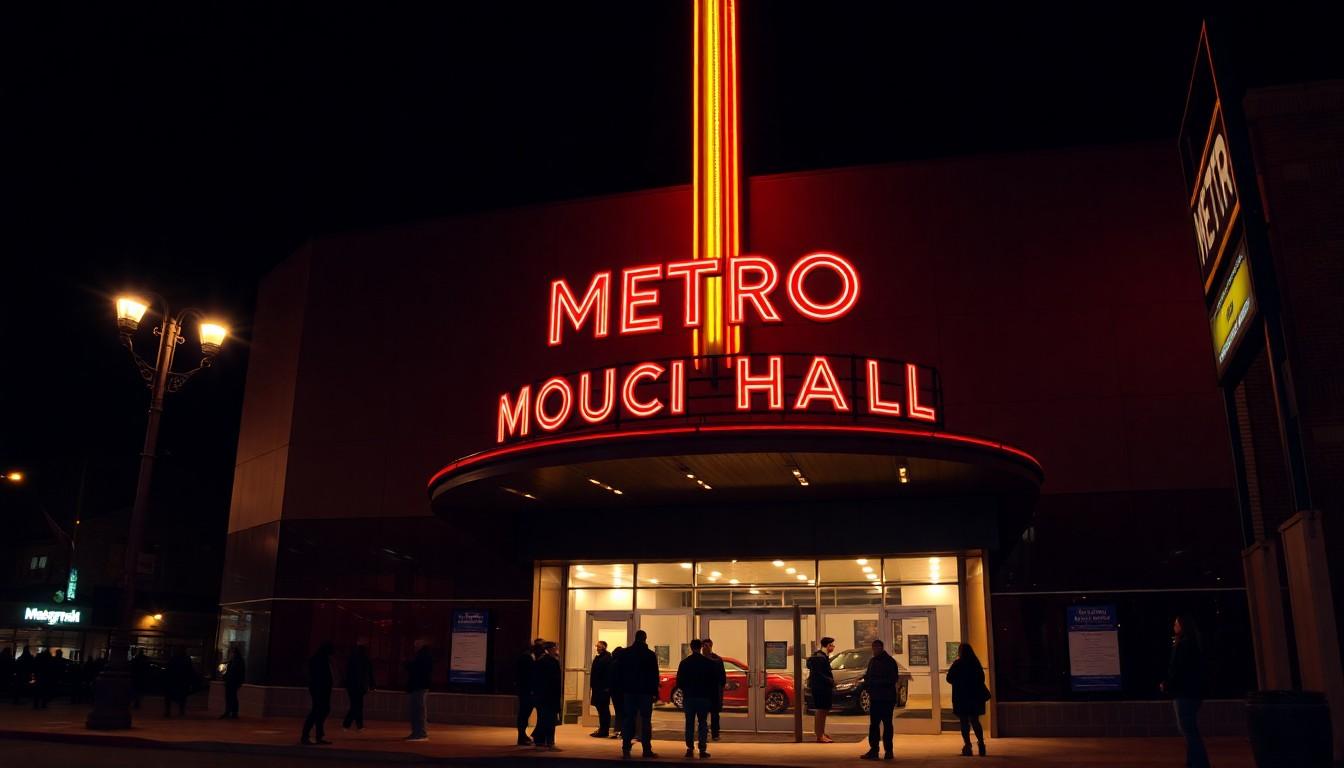
Crowds gathered at Metro Music Hall in Salt Lake City for a politically charged parody drag show, turning a familiar live-music venue into a glittery arena for satire, protest and community. Set beside long-standing LGBTQ+ nightlife, the event showed why local drag remains both popular entertainment and a powerful cultural pressure point.
Essential Takeaways
- A lively venue: Metro Music Hall is an established Salt Lake City destination for concerts and live events.
- A memorable setting: The venue sits near The SunTrapp, a long-running LGBTQ+ bar, in a colourful downtown pocket.
- Satire took centre stage: Performers used music, costumes, props and impersonation to lampoon right-wing personalities.
- The audience was varied: Sold-out crowds included sequins, leather, political slogans and plenty of playful theatricality.
- The bigger issue: The show reflected the continuing tension between anti-drag rhetoric and queer communities' determination to be visible.
Metro Music Hall makes a fitting stage
The strongest impression arrived before the first performance. Outside Metro Music Hall, graffiti, bright outfits and a growing queue gave the street a soft fizz of anticipation, while the venue's marquee announced the parody show with deliberately outrageous wordplay.
Metro Music Hall is known locally as a live-music and events space, with listings covering concerts and nightlife rather than just one particular scene, according to Salt Lake Magazine and Visit Salt Lake. That flexibility matters. A room built for amplified music and packed audiences can shift quickly from gig venue to theatrical playground.
Its location adds another layer. The SunTrapp, which describes itself as Utah's oldest openly gay bar, sits nearby, creating a small but noticeable LGBTQ+ nightlife cluster. Local venue listings also place Metro Music Hall within Salt Lake City's wider entertainment circuit, according to Loc8NearMe and Across the Tracks.
Why this drag show drew attention
The production belonged to a touring wave of right-wing parody drag shows, using camp and exaggeration to answer years of anti-drag messaging with jokes of its own. Performers appeared as recognisable political figures, turning public statements, scandals and familiar media clips into comic material.
That approach is hardly subtle, but subtlety wasn't the point. Drag thrives on transformation, and the show's costumes, lip-syncs and oversized props made politics feel deliberately theatrical. One minute the room was laughing at a caricature; the next, a clipped speech or news segment reminded everyone why the subject remained so raw.
The backlash arrived quickly, with prominent conservative voices condemning the event online. Yet the controversy also functioned as free publicity, a familiar pattern in modern culture-war entertainment. For audiences already sympathetic to the performers, outrage from outside the room probably made the night feel even more defiantly communal.
Inside the crowd: camp, costumes and a sold-out room
The queue offered its own kind of performance. Sequins, dark lace, leather harnesses and deliberately provocative slogans appeared alongside ordinary night-out clothes, creating the pleasingly chaotic mix that makes drag audiences so visually distinctive.
There was plenty of humour before the curtain even rose. People chatted, shouted across the line and treated the wait as part of the occasion. The atmosphere felt less like a formal political gathering and more like a gig where everyone had agreed that glamour and mischief were essential dress codes.
Metro Music Hall's reputation as a concert venue helps explain the energy. Its listings and visitor information present it as a space designed for live performance, while local reviews and directories point to a central venue with a strong nightlife identity, according to Salt Lake Magazine, Visit Salt Lake and Loc8NearMe. In practical terms, that means good sound, a close audience relationship and room for performers to work the crowd.
What the performance style says about drag comedy
The show mixed lip-sync performances with visual gags, parody costumes, recorded speeches and audience chants. Some routines leaned heavily on props, while others relied on dancing, crowd interaction and the performers' ability to hold attention without a punchline every few seconds.
That variety is important. Political drag works best when it remains a show first and a lecture second. The jokes can be pointed, but the music, movement and glamour give the audience a reason to stay engaged even when the subject matter becomes bleak.
For anyone choosing a similar event, the practical lesson is simple: expect a concert atmosphere rather than a quiet theatre production. Check the venue's event details, arrive early if the show is advertised as sold out, and wear something comfortable enough for standing, dancing or squeezing past a lively crowd.
Salt Lake City's queer nightlife remains visible
The show's setting also carried a wider significance. Salt Lake City's LGBTQ+ spaces have faced uncertainty, including the reported closure of a prominent bar in Utah, but the continued use of venues such as Metro Music Hall shows that queer nightlife isn't confined to one type of building or one kind of event.
A concert hall can become a drag stage; a bar can become a gathering point; a touring show can bring together people who might not otherwise share the same room. That adaptability is one of queer culture's great strengths, especially when political hostility tries to narrow where and how it can be seen.
And there's something heartening about the contrast between the city's tidy reputation and the messy, colourful reality of the night. The venue, its neighbours and its audience offered a reminder that community doesn't always arrive quietly. Sometimes it arrives under a marquee, in sequins, with the volume turned up.
It's a small but vivid example of how Salt Lake City's live venues keep making room for bold, joyful expression.
Source Reference Map
Story idea inspired by: [1]
Sources by paragraph:
- Paragraph 1: [2], [6]
- Paragraph 2: [2], [5]
- Paragraph 3: [3], [6]
- Paragraph 4: [4], [7]
- Paragraph 5: [2], [6]
- Paragraph 6: [3], [7]
- Paragraph 7: [5], [6]
- Paragraph 8: [2], [7]
- Paragraph 9: [3], [4]
- Paragraph 10: [4], [6]
- Paragraph 11: [2], [5]
- Paragraph 12: [3], [7]
- Paragraph 13: [4], [6]
- Paragraph 14: [2], [3]