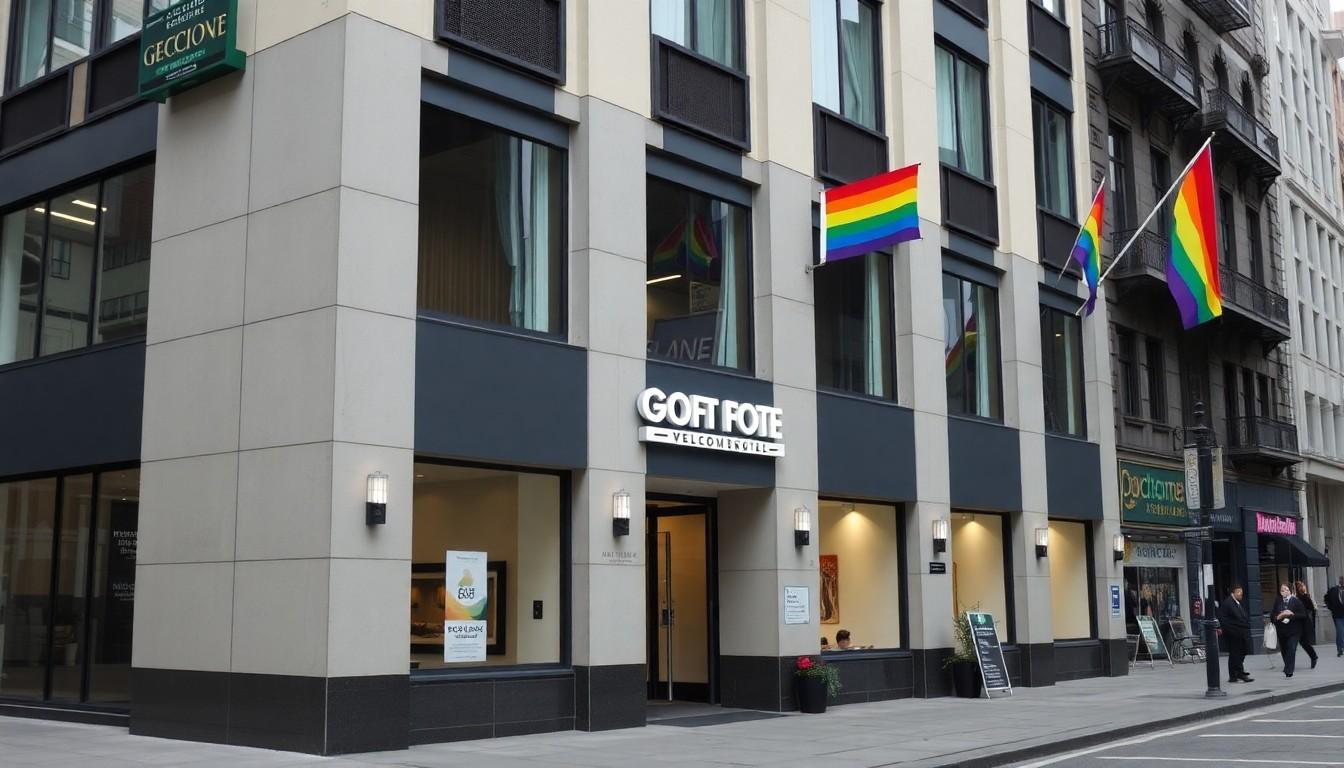
Queer travellers are looking beyond rainbow branding for destinations that feel genuinely safe, respectful and affirming. Drawing on Meg Ten Eyck's advice, this guide explores how to research LGBTQ+ travel, weigh visibility and safety, find community abroad and take confident first steps, whether you're planning a nearby city break or a more ambitious international trip.
Essential Takeaways
- Look beyond the flag: Year-round representation, staff training and local partnerships say more than a temporary Pride campaign.
- Safety is personal: Laws, social attitudes, gender presentation, passport details and travel companions can all affect an individual experience.
- Start small: A nearby city, organised tour or familiar-style holiday can make a bigger trip feel far less daunting.
- Research the local scene: Queer-owned businesses, community groups, specialist media and trusted creators can reveal what official tourism sites miss.
- Keep expectations nuanced: No destination is perfect, while some less obvious places can offer warm and memorable experiences.
LGBTQ+ travel involves more calculations than most people realise
A holiday can look simple on paper: book a flight, choose a hotel and decide what to see. For many LGBTQ+ travellers, though, every stage may involve a quieter set of questions. Is it safe to hold hands? Will the hotel staff use the right pronouns? Could a passport marker create problems at the border? Even choosing where to sit in a restaurant can feel loaded.
That doesn't mean queer travellers should avoid the world. It means the usual idea of travel freedom doesn't land equally for everyone. As Meg Ten Eyck explained on the Solo Female Travelers Podcast, visibility can feel empowering in one setting and risky in another, particularly for trans, non-binary and visibly gender-nonconforming travellers.
Research cited by TravelPulse has highlighted just how common these calculations are, with LGBTQ+ business travellers reporting high levels of concealment and accommodation changes linked to safety concerns. The figures are a useful reminder that "just don't disclose it" isn't a universal solution. Not everyone can, or wants to, make themselves less visible.
Research the destination, not just its marketing
The glossy tourism website is only the beginning. Before booking, check local laws, recent LGBTQ+ news, social attitudes and advice from organisations with relevant on-the-ground knowledge. It also helps to compare the capital or main visitor hub with rural areas, where experiences can differ sharply.
Specialist LGBTQ+ publications and creators can fill in the gaps. EveryQueer, for example, has built its work around queer travel stories, practical advice and community visibility, while outlets such as Out Traveler have profiled Ten Eyck's approach to exploring the world. That sort of first-hand perspective often tells you more than a generic "LGBTQ-friendly" badge.
For a first trip, destinations with established queer communities and accessible tourist infrastructure may feel easier. Ten Eyck has highlighted Stockholm, Thailand, Cape Town, Buenos Aires and several North American cities as welcoming starting points, although conditions vary and no place should be treated as risk-free. The best choice is the one that fits your identity, confidence and comfort level, not simply a listicle's top ranking.
How to spot genuine LGBTQ+ inclusion
A hotel that changes its logo in June isn't necessarily doing the hard work. Look for inclusive imagery throughout the year, clear anti-discrimination policies, staff training and evidence of support for local LGBTQ+ organisations or events. Reviews can help too, especially when they mention how staff handled names, partners, families or gender identity in everyday interactions.
Formal programmes can provide another useful signal. IGLTA's Proud Destination programme focuses on destinations that demonstrate a more considered approach to LGBTQ+ inclusion, while recognised training schemes can indicate that a property has invested time beyond a marketing slogan. Accreditation isn't a magical guarantee, but it shows some intention and accountability.
The same test applies to tour operators. Ask how they handle room allocation, bathrooms, emergency contacts, pronouns and local customs before you pay a deposit. A thoughtful answer usually arrives with practical detail. A vague answer wrapped in a rainbow graphic is less reassuring.
Pride travel means different things to different people
Pride isn't one universal product, despite the familiar parade imagery. In some cities, it's a huge celebration with music, nightlife and corporate floats. Elsewhere, it may be a small community gathering, a political protest or an act of defiance that carries serious personal risk.
That difference matters when choosing a Pride trip. Are you looking for a lively weekend with friends, a chance to meet local queer communities, or an event rooted in activism and remembrance? None of those choices is more valid than the others, but they call for different planning and different expectations.
The wider Pride calendar can also be more interesting than the June rush. Smaller events may offer a more intimate atmosphere, while off-season travel can mean lower prices and less pressure on accommodation. Think of it less as finding the "best" Pride and more as finding the one that will fill your cup.
Start with manageable adventures
Big bucket-list journeys can become intimidating before you've even opened the suitcase. A nearby city, a queer-friendly hotel, a guided group trip or a familiar kind of holiday can provide a gentler first step. Confidence tends to grow through experience, not through waiting until anxiety disappears completely.
Group travel can be particularly useful if you're worried about logistics or belonging. Specialist operators offer different styles, from adventure itineraries to luxury escapes and community-focused trips, so it's worth checking the group makeup, pace and inclusions carefully. Ask whether the operator has experience supporting trans and non-binary guests rather than assuming an LGBTQ+ label covers everything.
Practical preparation still matters. Carry copies of important documents, check entry requirements well ahead of departure, think through airport and hotel interactions, and agree a plan with companions if someone feels uncomfortable. These aren't signs that travel has failed. They're small tools that leave more energy for the good stuff, such as discovering a brilliant cafe or unexpectedly finding your people halfway around the world.
Surprising destinations can change your assumptions
Jordan was one of Ten Eyck's unexpected highlights, particularly for the warmth she experienced while travelling with a trans partner and later with LGBTQ+ groups. Her account doesn't suggest that every visitor will have the same experience, nor does it erase wider regional realities. It does show why broad assumptions can be unreliable.
Condé Nast Traveler has also explored Amman's LGBTQ+ scene, illustrating how local communities and visitor experiences can exist within a complicated legal and social context. That tension is important. A destination can offer generous hospitality and meaningful cultural encounters while still requiring careful planning and honest risk assessment.
The useful lesson isn't to treat surprising destinations as secret safe havens. It's to stay curious without becoming careless. Local guides, trusted community contacts and current advice can help you understand a place as it is, rather than reducing it to a reassuring label or a frightening headline.
A more confident LGBTQ+ travel experience starts with good information, personal boundaries and room for nuance.
Source Reference Map
Story idea inspired by: [1]
Sources by paragraph:
- Paragraph 1: [2], [5]
- Paragraph 2: [3], [4]
- Paragraph 3: [2], [5]
- Paragraph 4: [6], [3]
- Paragraph 5: [4], [6]
- Paragraph 6: [2], [5]
- Paragraph 7: [7], [5]
- Paragraph 8: [3], [6]
- Paragraph 9: [2], [6]
- Paragraph 10: [4], [5]
- Paragraph 11: [3], [5]
- Paragraph 12: [2], [6]
- Paragraph 13: [7], [5]
- Paragraph 14: [1], [7]
- Paragraph 15: [2], [3]