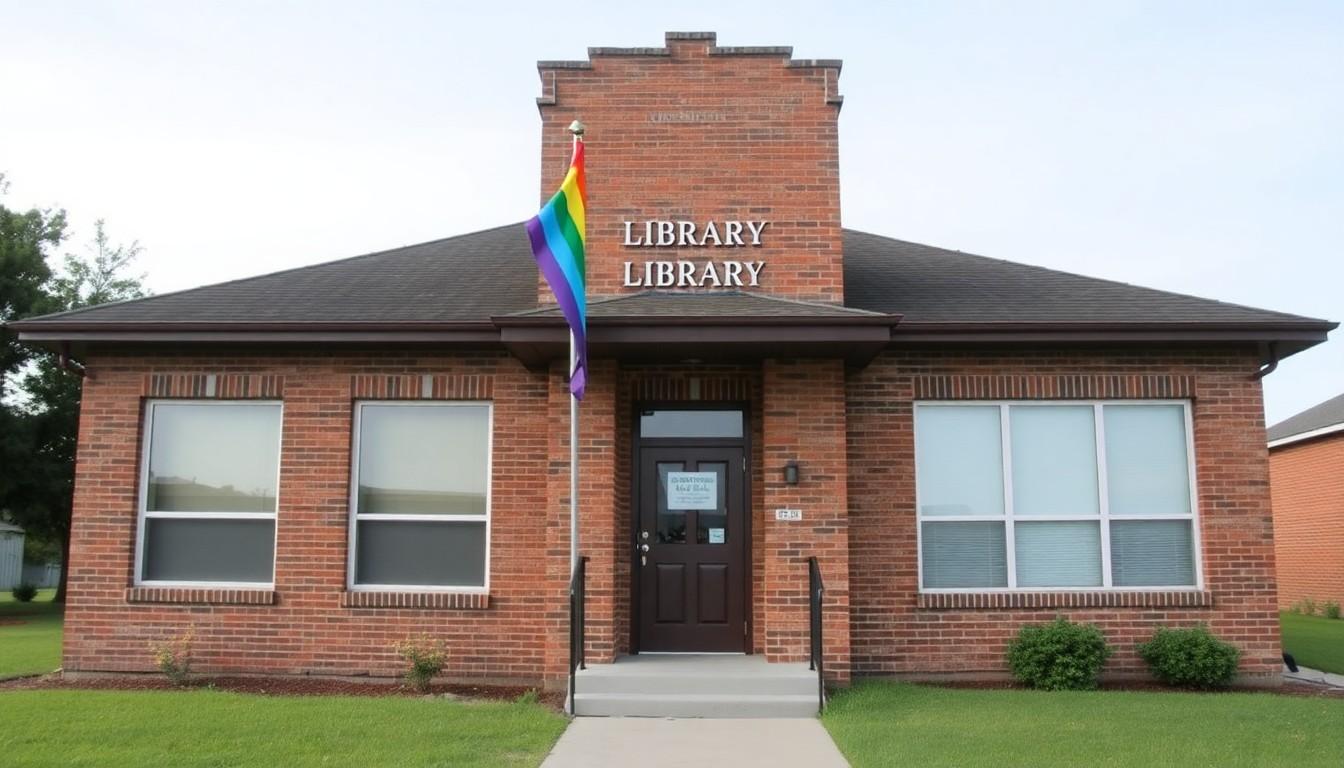
Library censorship rarely begins with a dramatic ban. It can start with a missing order, a moved novel or a display quietly softened to avoid complaints. From rural American branches to UK schools, librarians and campaigners warn that these small decisions can steadily narrow access to LGBTQ+ stories and other marginalised voices.
Essential Takeaways
- Censorship can be subtle: Books may be left unpurchased, relabelled or moved away from their intended readers.
- LGBTQ+ titles face pressure: Reports from the US and UK describe challenges involving queer books and school libraries.
- Demand matters: Holds, purchase suggestions and borrowing figures can show institutions that inclusive books are wanted.
- Public support helps: Attending library meetings and joining Friends groups can strengthen staff facing organised complaints.
- Libraries offer more than shelves: Interlibrary loans, e-books, audiobooks and community programmes can widen access.
The quietest book ban is the one nobody notices
A book doesn't need to be removed in flames to disappear from public life. Sometimes it simply never reaches the order list, leaving an empty space that looks like an ordinary purchasing decision.
That is the uncomfortable insight at the heart of a former rural librarian's account. In a close-knit community, pressure may arrive through a pointed question, a donor's displeasure or the fear that one complaint could become a funding problem. The result can feel administrative rather than ideological, but the effect is still a narrower collection.
The Washington Post has reported on librarians navigating rising challenges to books, while the American Library Association describes censorship as the suppression of access to materials because of objections to their content. The paperwork may look tidy. The consequences aren't.
How ‘neutrality’ can make some books harder to find
When a title is challenged, relocating it can be presented as a compromise. A young adult novel might be placed in adult fiction, or a catalogue label might make it less visible to casual browsers. The book remains technically available, yet the readers it was written for may struggle to find it.
That distinction matters. A teenager browsing a familiar section is unlikely to search an adult shelf for a specific LGBTQ+ novel, particularly if they don't already know the title. PEN America's research on book removals shows how access can be restricted through decisions that affect whether books remain available to ordinary readers.
Displays create another pressure point. A Pride table, Black History Month feature or women's history selection makes a collection's priorities visible, so staff may dilute it with unrelated titles or avoid it altogether. It can look balanced from a distance, but sometimes balance is simply a quieter way of hiding.
This isn't only an American library problem
The pattern travels across borders. In the UK, The Guardian reported that school librarians had been asked to remove or restrict LGBTQ+ books, with concerns raised about informal pressure and the chilling effect on staff.
That matters because libraries are not just storage rooms for books. They're often among the few public places where a young person can explore identity privately, without having to announce what they're looking for. A missing title or hostile shelf arrangement can send a powerful message before anyone says a word.
The wider environment is tense, too. The Associated Press has covered disputes in which librarians and other education workers faced professional consequences amid culture-war battles over books. When staff believe a complaint could cost them their job, self-censorship becomes a rational survival strategy, even when it conflicts with professional values.
What readers can do to keep collections open
The most practical step is wonderfully unglamorous: use the library. Borrow diverse titles, place holds, submit purchase suggestions and ask about interlibrary loans. Those actions create a visible record of interest, which is much harder to dismiss than a general argument about representation.
Don't stop at borrowing. Attend board meetings, read collection policies and support staff when inclusive materials are questioned. The ALA's guidance on censorship encourages communities to defend intellectual freedom through informed participation, not just last-minute outrage.
Friends of the Library groups can also make a difference by raising funds, building local support and helping residents understand what their branch provides. E-books, audiobooks, internet access, classes and events all strengthen the case for a library as essential public infrastructure.
A healthier future starts with visible support
No librarian should have to choose between protecting a collection and protecting their livelihood. Yet without public backing, even well-intentioned staff can be pushed towards safer orders, quieter displays and decisions that slowly exclude particular readers.
The answer isn't pretending every collection decision is politically neutral. It's making those decisions transparent, evidence-based and accountable to the whole community, rather than to the loudest caller or most influential donor.
A library should be broad enough to contain disagreement without turning disagreement into disappearance. As book challenges continue, showing up may be one of the simplest ways to keep the doors genuinely open.
It's a small act of support, but a powerful one: borrow the book, request the book and defend the shelf.
Source Reference Map
Story idea inspired by: [1]
Sources by paragraph: