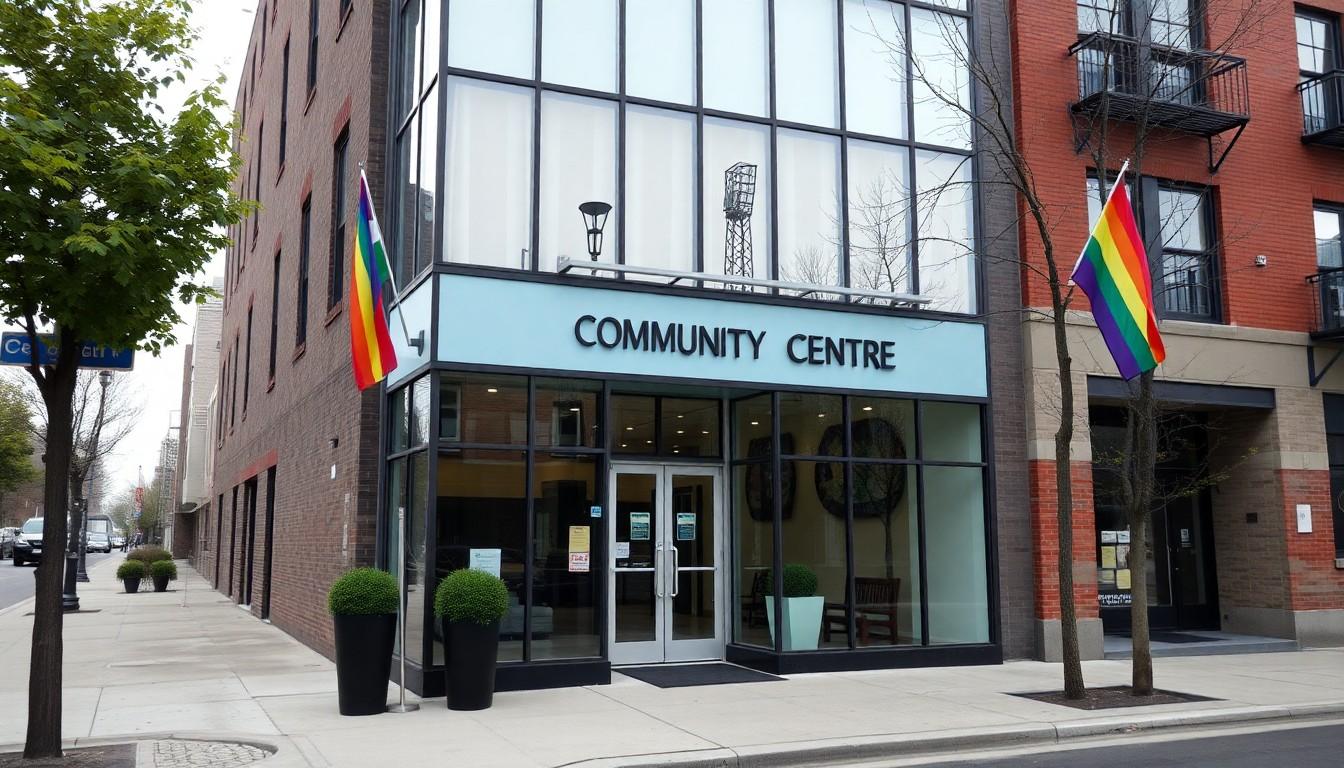
Lesbian communities are continuing to reclaim the word dyke, but its meaning can shift sharply between generations. From activist history and queer pop culture to painful memories of harassment, the debate shows why language can feel empowering in one setting and deeply uncomfortable in another.
Essential Takeaways
- Reclamation has history: Lesbian activists have used dyke positively for decades.
- Context matters: A word can feel affirming among peers but hostile from outsiders.
- Generations differ: Younger lesbians may encounter dyke as ordinary community language, while older women may remember it as abuse.
- Culture keeps evolving: Marches, magazines, films and online spaces have helped reshape the term.
- Kindness comes first: Checking how people feel about the word is often more useful than assuming everyone shares the same comfort level.
One word, two very different memories
For some lesbians, dyke now sounds bold, funny and proudly self-defined. For others, it still carries the sting of school corridors, shouted insults and strangers using sexuality as a weapon. That split is the heart of the conversation.
The word can appear on event posters, in political organising and across queer fashion or arts spaces, yet its history hasn't vanished. As the Advocate has explored, dyke remains relevant partly because it can express identity and community in a way that the more neutral word lesbian doesn't always capture.
That emotional double edge matters. Reclaiming language can give people control, but it can't magically erase the moment a slur was first used against them.
How dyke became a badge of resistance
There isn't one universally accepted origin story for dyke. Linguistic accounts have connected it to older insults aimed at women who were seen as masculine or insufficiently feminine, before versions of the word became firmly established as anti-lesbian abuse.
By the 1970s, lesbian feminists and activists were turning that history on its head. Dyke marches, activist groups and independent queer publishing made the term visible as a sign of defiance rather than shame. The Guardian's coverage of the documentary Rebel Dykes also captures the energy of a period when lesbians, punks, sex workers, artists and squatters pushed back against social expectations.
That history gives the word its muscle. It suggests independence, solidarity and a refusal to ask permission, which is a powerful meaning to inherit.
Why younger lesbians may hear it differently
Language softens when people meet it first in a positive setting. A younger lesbian might encounter dyke through community events, social media, comedy, art or activism, rather than as a shouted insult. In that context, it can feel as ordinary and flexible as lesbian or sapphic.
Molly McCloy has examined this shift in her work on the word, while other queer writers have continued to ask who gets to use it and what it communicates. The conversation isn't simply about age, either. Race, gender expression, class and trans identity can all shape whether the term feels welcoming or restrictive.
Online platforms have made the issue even more visible. ABC reporting has shown how automated moderation systems have sometimes treated lesbians using dyke in self-descriptive or community contexts as though they were posting abuse. That clumsy distinction says a lot about how difficult reclaimed language can be for machines, institutions and outsiders to read.
Is dyke inclusive, or does it narrow the picture?
For many people, dyke is an expansive political identity rather than a neat synonym for lesbian. It can signal a relationship to masculinity, gender nonconformity, activism or queer history. That's why it has remained attractive in community spaces.
But not every lesbian identifies with those meanings, and not every person using dyke intends to describe the same experience. Trans and non-binary communities have also challenged older assumptions about who the term includes, as TAGG Magazine's discussion of trans dykes illustrates.
That doesn't make the word useless. It means it needs context. A community label can be strong precisely because it carries texture, but that texture isn't automatically shared by everyone standing nearby.
The better rule is simple: listen first
There are no perfect etiquette rules for reclaimed slurs, but a little care goes a long way. Use dyke for yourself if it feels right, and be cautious about applying it to someone else unless they have clearly used it for themselves.
It's also worth remembering that discomfort isn't always a rejection of the community. Someone who flinches at the word may be responding to an old experience, not criticising younger lesbians who use it positively. In that moment, curiosity will work better than correction.
Queer culture has always reinvented language, often with impressive creativity and a healthy amount of cheek. Still, reclamation works best when it leaves room for people who aren't ready to claim every piece of inherited vocabulary.
The word can be powerful, but consent and context make the difference.
Source Reference Map
Story idea inspired by: [1]
Sources by paragraph:
- Paragraph 1: [2], [3]
- Paragraph 2: [3], [4]
- Paragraph 3: [5], [6]
- Paragraph 4: [7], [2]
- Paragraph 5: [4], [5]
- Paragraph 6: [3], [6]
- Paragraph 7: [5], [7]
- Paragraph 8: [2], [3]
- Paragraph 9: [4], [5]
- Paragraph 10: [5], [6]
- Paragraph 11: [2], [7]
- Paragraph 12: [3], [4]
- Paragraph 13: [5], [6]
- Paragraph 14: [2], [3]
- Paragraph 15: [4], [7]
- Paragraph 16: [5], [6]
- Paragraph 17: [2], [3]
- Paragraph 18: [4], [5]
- Paragraph 19: [6], [7]
- Paragraph 20: [2], [3]