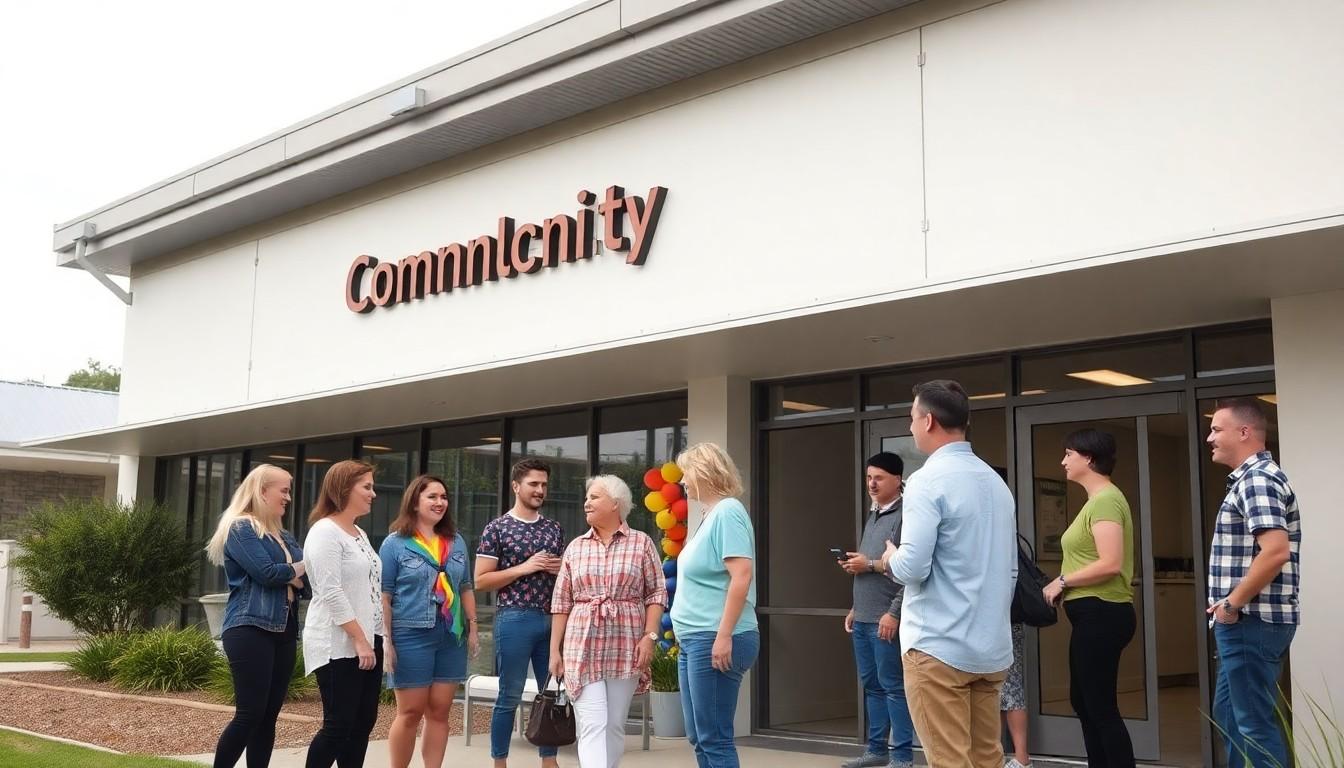
Queer residents are building their own LGBTQIA+ safe spaces on the Sunshine Coast, from social clubs and swimming groups to festivals and support networks. The shift matters because people looking for connection, belonging and a place to relax without explanation have often had to travel elsewhere. Now, community-led events are offering something warmer, closer and distinctly local.
Essential Takeaways
- Community-led growth: Social clubs, run groups and sporting organisations are creating regular queer-friendly gatherings.
- More than nightlife: Trivia, picnics, swimming, exercise and festivals are widening the idea of what an LGBTQIA+ space can be.
- Belonging close to home: Local groups help reduce isolation for people who might otherwise travel or struggle to find peers.
- Sport is opening up: Aqualicious offers an inclusive swimming environment for LGBTQIA+ members and allies.
- Demand remains visible: The Sunshine Coast still lacks a permanent dedicated venue, so organisers are filling the gap themselves.
Queer community is creating its own invitation
The most striking thing about the Sunshine Coast's LGBTQIA+ scene isn't a new bar or permanent centre. It's the steady appearance of groups built around ordinary pleasures: a quiz night, a picnic, a run, a swim or a coffee afterwards.
The Lesbian Social Club was created by Alison Nolan and Lucy Upston after they recognised how difficult it could be to find queer-focused events locally. Their programme for queer women and gender-diverse people has grown through low-key gatherings that feel social rather than formal. The result is simple but powerful: people can arrive, meet others and spend an evening without having to explain themselves.
That kind of welcome is also visible in the region's wider festival and events calendar. Sunshine Coast Pride and other local organisations provide opportunities for people to connect beyond the traditional nightlife model. The Sunshine Coast Pride directory also points residents towards community groups and services across the area. According to Sunshine Coast Pride, the festival's return reflects continuing interest in visible, celebratory queer community life. [3], [6]
Why smaller groups can feel safer
A permanent venue has obvious appeal, but smaller groups can offer something a large commercial space can't always provide: familiarity. Returning to the same run, swim or games night means faces become recognisable, conversations get easier and newcomers don't have to start from zero every time.
Grace Manning, who established an LGBTQIA+ run club after moving to the region, said finding queer belonging locally had been especially meaningful. Her group combines exercise with informal treats afterwards, making the activity feel less like a workout and more like a gentle route into friendship.
That matters in regional communities, where distance can magnify loneliness and where people may not see themselves reflected in their immediate surroundings. The Queensland Council for LGBTI Health has highlighted the value of community connection, while local support listings show a network that includes trans and gender-diverse groups alongside social and cultural events. [1], [7]
Swimming offers a different kind of queer space
Aqualicious has brought another option to the Sunshine Coast: an LGBTQIA+ masters swimming club that welcomes people at different stages of their lives and identities. The group began in Brisbane and expanded locally, creating a regular setting where participation comes before performance.
That distinction is important. Sports can be uncomfortable for queer people when changing rooms, team culture or casual banter feel hostile. A club that makes inclusion ordinary, rather than theatrical, can lower the pressure. Members don't need to arrive with a perfect label or a polished sporting background; they just need to come along and swim.
The club's approach is deliberately broad, welcoming LGBTQIA+ participants and allies across a wide age range. Support from organisations including Pride Foundation Australia and Masters Swimming Queensland has helped Aqualicious build its Sunshine Coast presence. [4], [5]
The region is moving beyond the rainbow bar
For years, queer community life was often associated with bars and clubs. Those venues still matter, but they're not the only answer, and they won't suit everyone. A pub or nightclub can be noisy, expensive and intimidating, particularly for someone newly out, older, sober or simply more interested in meeting people over coffee than cocktails.
The Sunshine Coast's newer groups suggest a broader definition of community space. A run club, swimming session or picnic can be just as affirming as a dedicated venue, especially when organisers are attentive to access, safety and the social details that make people want to return.
There have been setbacks, too. The closure of Nevermind Cafe after a relatively short run showed how difficult it can be to sustain a dedicated queer venue amid financial pressures. Still, its existence demonstrated that there was an appetite for a visible local gathering place, while the current patchwork of groups shows that demand hasn't disappeared. [2]
How to find LGBTQIA+ events near you
For newcomers, the easiest starting point is usually a low-pressure event rather than a major festival. Look for a group whose activity already interests you, whether that's swimming, running, games or a casual social night. Having something to do with your hands can make first conversations feel much less awkward.
Check organiser pages for accessibility information, age range, booking requirements and whether allies are welcome. If you're nervous, message the organiser beforehand and ask what to expect. A good group should be able to answer plainly, without making you feel like you're being difficult.
It also helps to remember that queer community isn't one single crowd. Some people want a lively celebration, others prefer a quiet support group, and many move between both. The growing Sunshine Coast network is valuable precisely because it offers more than one doorway in. [3], [6], [7]
A permanent venue would still be welcome, but these home-grown groups are proving that belonging can begin anywhere.
Source Reference Map
Story idea inspired by: [1]
Sources by paragraph: