Film fans are heading to Cardiff this autumn as Iris Prize unveils its 2026 programme, with a packed week of queer cinema, landmark classics, talks and competitions. Running from 12 to 18 October, the festival offers a rare chance to discover emerging filmmakers, revisit beloved films and celebrate LGBTQIA+ stories on the big screen.
Essential Takeaways
- A landmark year: Iris Prize returns for its 20th anniversary with a record 16 feature films.
- Short-film spotlight: Thirty-five films will compete for the Iris Prize, while 15 British shorts are in contention for the Best British Award.
- A queer classic returns: Donna Deitch will attend a special screening of Desert Hearts, followed by a Q&A.
- Stories with community at heart: Lesbian Lines explores an underground lesbian helpline network in Ireland.
- More than screenings: Five public Iris Talks will cover representation, archives, youth voices and Welsh creativity.
Cardiff gets a full week of queer cinema
There’s something wonderfully ambitious about a film festival that asks audiences to clear an entire week in their diary. Iris Prize is doing exactly that in Cardiff, where its 2026 edition will bring new LGBTQIA+ filmmaking, familiar favourites and live conversations together from 12 to 18 October.
The festival’s anniversary programme is particularly generous. According to Visit Cardiff, Iris Prize has become a significant fixture in the city’s cultural calendar, and this year’s expanded line-up gives audiences even more reason to linger between screenings rather than rushing in and out for a single film.
With the box office now open, early planning will be useful. Film festivals have a habit of creating painful clashes between the one documentary you’ve been waiting for and the talk you absolutely didn’t expect to care about.
Thirty-five shorts, 15 British contenders and plenty to discover
The competition programme remains at the heart of Iris Prize. This year, 35 short films from filmmakers across 22 countries have been selected, offering a broad snapshot of contemporary LGBTQIA+ storytelling, according to Nation Cymru.
That international reach is balanced by a dedicated Best British Award competition featuring 15 shorts. Coverage from Attitude and Nation Cymru highlighted the strength and variety of this British selection, which gives home-grown filmmakers a focused platform while keeping the wider festival outward-looking.
Short films can be especially rewarding in a festival setting. They’re bold, concentrated and often willing to take creative risks that a longer production might avoid. For viewers, they’re also a brilliant way to encounter several new voices in one sitting.
Anniversary features bring old favourites and new voices
To mark its 20th year, Iris Prize will screen 16 feature films, its largest feature programme so far. The selection places new work alongside cinema history, creating the sort of relaxed conversation between generations that queer film audiences rarely get enough of.
The headline classic is Desert Hearts, Donna Deitch’s much-loved romance, which will be followed by a Q&A with the director. For longtime viewers, that’s a chance to revisit a touchstone with fresh context. For newcomers, it’s an ideal introduction to a film that still carries a warm, rebellious glow.
The programme also includes Lesbian Lines, Cara Holmes’ documentary about a community of lesbians building an underground helpline network in Ireland. Its focus on connection, resourcefulness and mutual care feels especially timely, while its historical setting gives audiences a glimpse into the work that often happens away from public view.
The talks programme adds conversation to the screenings
Five public Iris Talks will run during the festival, covering subjects from representation to queer archives. The programme includes a conversation with director Andrew Haigh, a Youth Talk, and a discussion titled Beyond The Tropes: Lesbians, Representation & Cinema.
There will also be space to ask difficult questions about preservation in Queer Archive: In or Out?, alongside a look at the creative landscape in Wales with Queer Welsh Creativity: What’s Out There? The mix feels deliberately broad, moving beyond film criticism into questions about who gets remembered, who gets heard and what comes next.
That balance matters. A strong festival isn’t only a run of screenings; it’s a place where audiences can compare reactions, challenge familiar assumptions and leave with a longer list of films, filmmakers and ideas to explore.
How to make the most of Iris Prize 2026
Start with the films you’re most keen to see, then build around them. If you’re travelling to Cardiff, grouping screenings by day can save time and leave room for a talk, a coffee or the inevitable post-film debrief with fellow audience members.
It’s also worth mixing formats. Pair a feature with a short-film programme, then add one conversation that sits outside your usual interests. The festival’s international selection, British competition and archive-focused events offer plenty of ways to do that without sticking to one narrow lane.
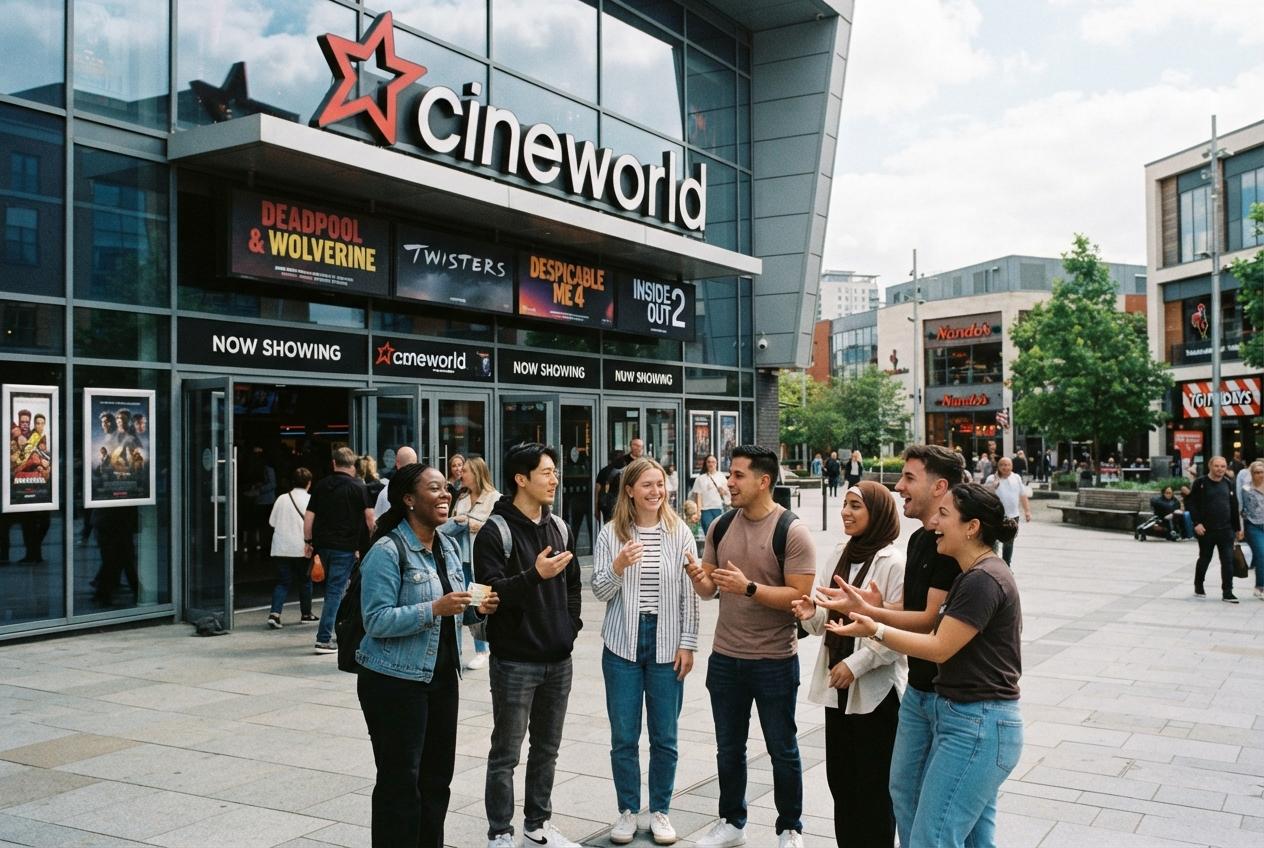
Iris Prize director Berwyn Rowlands encouraged audiences to “take a week off and spend it with Iris in Cineworld”, speaking about the breadth of the 2026 programme. It’s a playful invitation, but the underlying message is serious: this is a festival designed to be experienced collectively, not simply sampled from a distance.
For LGBTQIA+ audiences especially, that shared atmosphere can be part of the appeal. Seeing a room respond to a tender scene, a sharp joke or a difficult piece of history is its own kind of reminder that cinema can build community as well as reflect it.
A bigger festival with a clear sense of purpose
Iris Prize’s 2026 programme arrives at a moment when queer cinema is expanding in style, geography and ambition. From international shorts to British newcomers, documentaries about community organising and conversations about representation, the festival is making room for stories that are intimate, political, funny and occasionally gloriously messy.
The anniversary edition’s scale is impressive, but its real strength may be the connection between the events. A new short can sit alongside a classic feature; a discussion about archives can sharpen the way audiences see a contemporary film. That’s where a festival becomes more than a schedule.
Book early, choose boldly and leave some space for surprises. Iris Prize 2026 looks ready to reward all three.
Explore the programme and find the screenings that suit you best.
Source Reference Map
Story idea inspired by: [1]
Sources by paragraph:
- Paragraph 1: [2], [5]
- Paragraph 2: [5], [6]
- Paragraph 3: [2], [7]
- Paragraph 4: [3], [4]
- Paragraph 5: [2], [4]
- Paragraph 6: [5], [6]
- Paragraph 7: [7], [3]
- Paragraph 8: [2], [5]
- Paragraph 9: [4], [6]
- Paragraph 10: [2], [3]
- Paragraph 11: [5], [7]
- Paragraph 12: [3], [4]
- Paragraph 13: [2], [6]
- Paragraph 14: [5], [7]
- Paragraph 15: [2], [3]
- Paragraph 16: [4], [6]
- Paragraph 17: [2], [5]
- Paragraph 18: [3], [7]
- Paragraph 19: [2], [4]
- Paragraph 20: [5], [6]
- Paragraph 21: [2], [3]
- Paragraph 22: [4], [7]