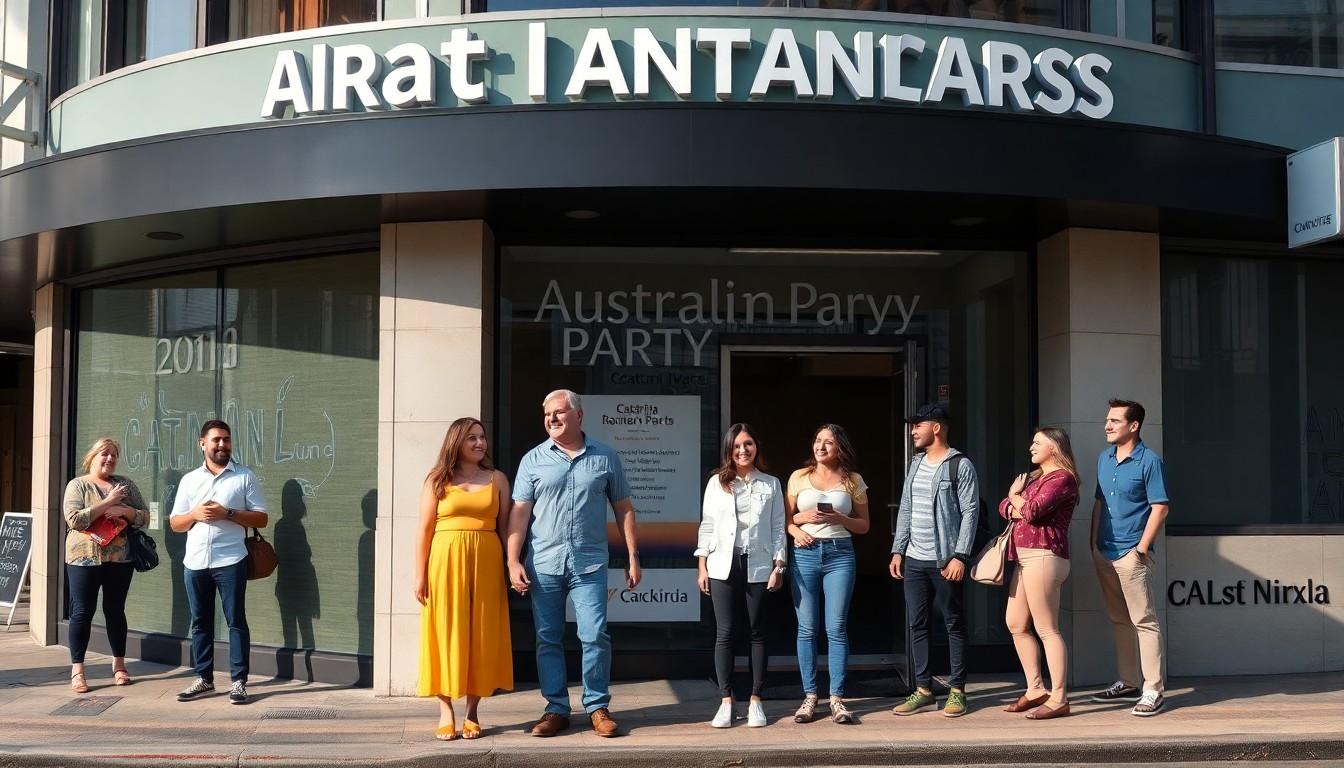
Australian conservatives are using a row over homophobic comments to court LGBTIQ+ voters, but the episode raises a sharper question: when does genuine solidarity become political pinkwashing? The debate, unfolding across Australia, matters because queer people from multicultural communities risk being treated less as citizens with complex views and more as evidence in someone else’s culture war.
Essential Takeaways
- The original comments were condemned: Former One Nation candidate Parminder Singh apologised after reportedly making offensive remarks about gay people.
- Barnaby Joyce defended One Nation: He called it “one of the gayest political parties in Australia”, a line that quickly attracted attention.
- Visibility isn’t a character reference: Having gay members doesn’t automatically make a party supportive of multiculturalism or human rights.
- Queer communities aren’t politically uniform: LGBTIQ+ people can hold racist, Islamophobic or anti-multicultural views, just like anyone else.
- The bigger risk is recruitment: Fear can be real while politicians still use it to divide communities and build support.
The controversy is real, but so is the political opportunity
Parminder Singh’s reported comments about gay people were plainly offensive, and the resulting backlash was justified. According to ABC News, Singh later apologised, but the episode continued to reverberate because it touched a painful fault line for queer Australians from multicultural or religious families.
For some people, this isn’t an abstract culture-war argument. It can feel like being asked to choose between sexuality and belonging, with family, faith and cultural identity suddenly placed on the opposite side of the room. That emotional tension gives political campaigns powerful material to work with.
The Guardian reported that Barnaby Joyce condemned Singh’s remarks while also presenting One Nation as “one of the gayest political parties” in Australia. The phrase was striking, but it also invited a more uncomfortable question: does the presence of gay people inside a party prove that its wider politics are inclusive?
Not really. A party can contain LGBTIQ+ members and still promote policies that marginalise migrants, religious minorities or queer people from multicultural backgrounds. Human beings, inconveniently, are more complicated than party branding.
What ‘pinkwashing’ means in this debate
Pinkwashing usually describes the use of LGBTIQ+ rights or visibility to make a government, institution or political movement appear more progressive than its broader record suggests. The tactic works because it turns a legitimate concern into a neat moral contrast: we protect gay people, they do not.
That contrast can be dangerously tidy. As reporting by AAP and The New Daily noted, Joyce’s description of One Nation’s supposed queer credentials became part of a broader political argument about the party’s identity and appeal. Yet gay membership alone says little about how a party treats other minorities, or whether its policies create a safer society overall.
The danger isn’t that every defence of queer people is cynical. Singh’s remarks deserved condemnation, and queer Australians should be able to expect protection from homophobia wherever it appears. The problem begins when that protection is used to suggest that another ethnic, cultural or religious group is uniquely backward.
Why multicultural queer Australians are being pulled into the culture war
Multicultural queer Australians can be placed in an especially uncomfortable position. They may be expected to explain prejudice within their families or communities, condemn it publicly and then endorse a political response that treats those same communities as a problem.
That pressure can feel personal because it is personal. A queer person may oppose homophobia while also rejecting racism, anti-Muslim sentiment and attacks on migration. Those positions aren’t contradictory, even if political messaging often pretends they are.
Australia’s eSafety Commissioner has recognised that racism and religious discrimination can occur within LGBTIQ+ communities, a point that should make the debate more honest. Queer identity doesn’t automatically produce political virtue, just as faith, ethnicity or cultural background doesn’t automatically produce prejudice.
It’s worth remembering that people can be both vulnerable and capable of causing harm. That’s not a failure of the identity itself; it’s simply a fact about people.
The wider movement has always been more complicated
The modern struggle for queer rights was never only about winning acceptance from the most powerful group in the room. It was also shaped by broader arguments about dignity, solidarity and the right of minorities to live without fear.
That history is imperfect. Queer communities have long had their own problems with racism, exclusion and internal hierarchies. Still, there was an important ideal at its centre: fighting homophobia and fighting racism should reinforce one another, rather than being traded as competing causes.
SBS reporting on One Nation’s record and LGBTIQ+ politics provides useful context for why claims of queer friendliness deserve scrutiny. A party’s stance can shift, its rhetoric can soften and its public presentation can change, but voters should look beyond a memorable line or a handful of visible supporters.
The practical test is simple enough. Ask who receives protection, who is portrayed as a threat and what policies follow the public display of solidarity.
How to spot political recruitment before the next election
The next time a politician highlights a minority group’s fear, pause before accepting the implied solution. Is the response aimed at tackling the specific prejudice, or is it being used to discredit an entire community?
It also helps to separate three different questions: was the original comment harmful, are queer people genuinely at risk, and does the proposed political answer make anyone safer? All three can have different answers. A real threat doesn’t automatically make every political response wise.
For LGBTIQ+ organisations, the challenge is particularly delicate. They should defend people targeted by homophobia, while avoiding a situation where queer voices are invited into the spotlight only when they can be used against migrants, Muslims or other minorities.
As Australia’s politics grows more polarised, expect more appeals to fear wrapped in the language of protection. A cheerful party slogan or a prominent queer supporter can be reassuring, but neither should replace examining the full record.
The question is not whether queer Australians should condemn homophobia. They should. It’s whether anyone gets to use that condemnation as a shortcut to prejudice elsewhere.
It's a small distinction, but it can stop solidarity becoming a political prop.
Source Reference Map
Story idea inspired by: [1]
Sources by paragraph:
- Paragraph 1: [2], [3]
- Paragraph 2: [4], [6]
- Paragraph 3: [5], [7]
- Paragraph 4: [2], [3]
- Paragraph 5: [4], [5]
- Paragraph 6: [6], [7]
- Paragraph 7: [2], [4]
- Paragraph 8: [3], [5]
- Paragraph 9: [6], [7]
- Paragraph 10: [2], [3]
- Paragraph 11: [4], [5]
- Paragraph 12: [6], [7]
- Paragraph 13: [2], [3]
- Paragraph 14: [4], [5]
- Paragraph 15: [6], [7]