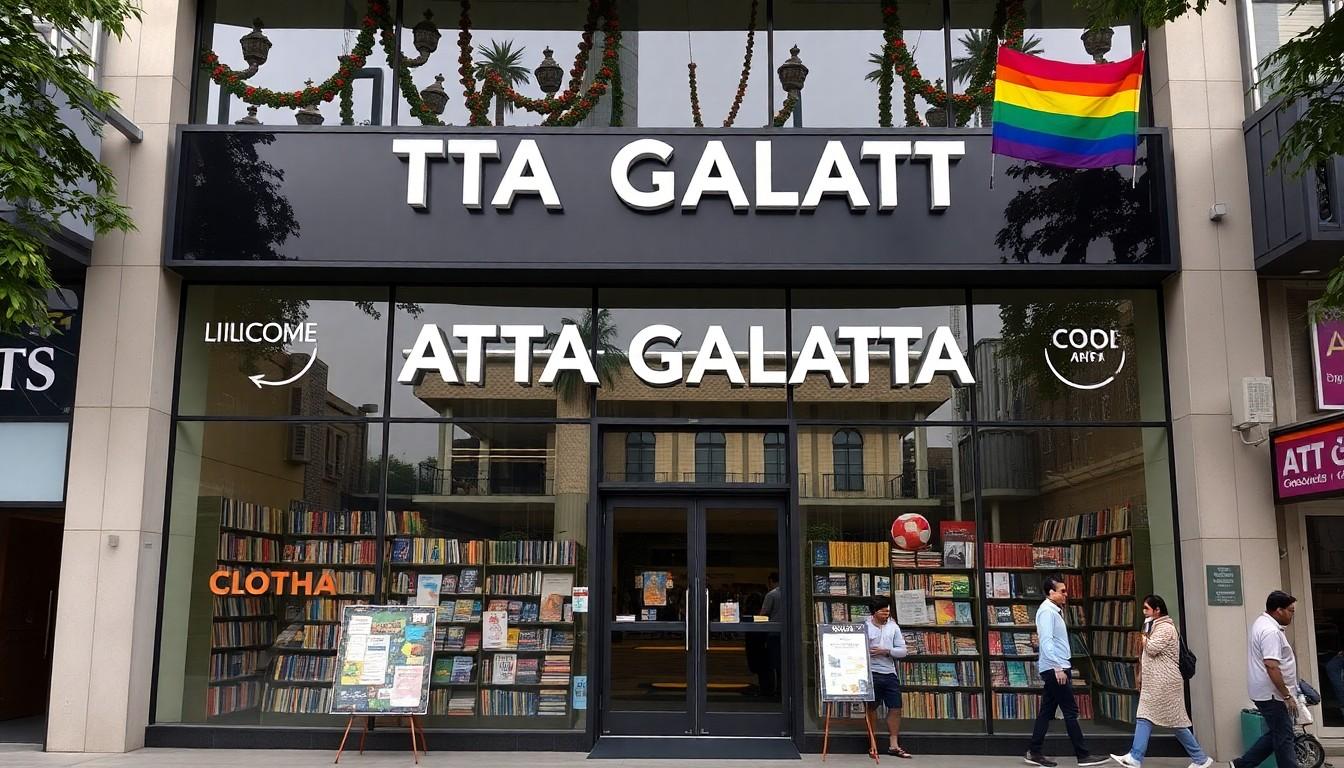
TransLate, the Hyderabad-born storytelling event for trans voices, is heading to Bengaluru for the first time on 13 September. Hosted at Atta Galatta in Indiranagar, the third edition will centre lived experience, everyday survival, joy and resistance, creating space for stories that rarely get told on their own terms.
Essential Takeaways
- First Bengaluru edition: TransLate will take place at Atta Galatta in Indiranagar on 13 September.
- Stories beyond stereotypes: The event welcomes accounts of ordinary life, not just conventionally celebrated success.
- A growing platform: Earlier Hyderabad editions drew more than 60 and 80 participants.
- A strong speaker line-up: Riyana Raju, Draupadi, Rumi Harish, Kali Sidharth Medepalli and Lava are among those announced.
- A wider ambition: Organisers hope to adapt future talks into short films for Instagram and YouTube.
TransLate brings lived experience to Bengaluru
The most important thing about TransLate isn't simply that it's moving cities. It's that the event puts trans people in control of the narrative, with the microphone, the room and the freedom to speak without being reduced to a headline.
The Bengaluru gathering will be held at Atta Galatta, a familiar venue for literary and cultural events. According to the event listing, the programme is scheduled for 13 September, giving audiences a chance to hear trans speakers discuss life in all its uneven, complicated detail. The venue's intimate atmosphere should suit a format built around listening rather than spectacle.
For&Bi founder Debbie says the idea has always been straightforward: create a storytelling platform where trans people can share what they've lived through. That includes survival, happiness, work, family, resistance and the quieter moments that don't usually make it into public conversations.
Why ordinary stories matter
Public discussions about trans lives often swing between crisis reporting and exceptional achievement. Both have their place, but neither captures the full texture of daily life. TransLate's more generous approach makes room for the person who is surviving, finding community, falling in love, looking for work or simply getting through the week.
That distinction matters because trans people are frequently expected to prove their worth through extraordinary achievement before being treated with basic respect. TransLate pushes back against that exhausting standard, according to coverage in the Deccan Chronicle, by treating every story as valuable rather than asking speakers to perform excellence.
The result is a warmer, more human kind of public conversation. A story doesn't have to be polished or triumphant to be meaningful. Sometimes the most powerful account is the one that leaves the room a little quieter.
A response to distorted narratives
Organisers say trans narratives in India are too often shaped by misinformation, filtered through a cisgender viewpoint or used in openly hostile ways. Giving trans people the chance to describe their own lives is therefore more than a cultural exercise. It's a way of correcting the record.
Previous editions in Hyderabad brought together more than 80 people at one event and over 60 at another, while featuring speakers including Dr Kiran B Nayak and Patruni Sastry. Listings and event coverage from platforms such as Dragvanti and AllEvents point to a growing interest in spaces where queer communities can gather around conversation, performance and shared experience.
That audience interest is encouraging, but the organisers' emphasis on care is just as significant. A storytelling event can offer visibility, yet it also needs to feel safe for the people taking part. The best version of this kind of programme isn't a once-a-year display of inclusion; it's a dependable place to breathe.
What Bengaluru audiences can expect
The third edition will feature Riyana Raju, Draupadi, Rumi Harish, Kali Sidharth Medepalli and Lava, among others. Earlier editions included both speakers and performers, suggesting that the Bengaluru programme will blend discussion with the emotional lift of live performance.
For anyone attending, the useful mindset is to arrive ready to listen rather than expecting a conventional panel. TransLate is designed around personal testimony, so its value may sit in the details: the pause before an answer, the story that takes an unexpected turn, or the small moment of joy that survives alongside hardship.
The event is sponsored by Mariwala Health Initiative, which has also supported work connected with mental health and queer communities. That backing helps underline the wider point: storytelling, visibility and emotional wellbeing are closely connected, especially when people have spent years being spoken about instead of heard.
From one evening to a travelling archive
For&Bi and Queer Nilayam are working with independent activists and individuals to take TransLate to more cities. The plan is to keep the central idea consistent while allowing each edition to reflect its local community.
The longer-term ambition is even more interesting. Organisers want to turn talks into short films for Instagram and YouTube, so the stories can travel beyond the room. That could help TransLate reach people who can't attend in person, while also creating a lasting record of voices that are too easily lost in fast-moving news cycles.
In a social media landscape crowded with commentary about trans lives, first-person storytelling offers something refreshingly direct. It doesn't ask audiences to imagine a distant issue. It asks them to listen to a person.
TransLate is a reminder that being heard shouldn't require being extraordinary.
Source Reference Map
Story idea inspired by: [1]
Sources by paragraph: