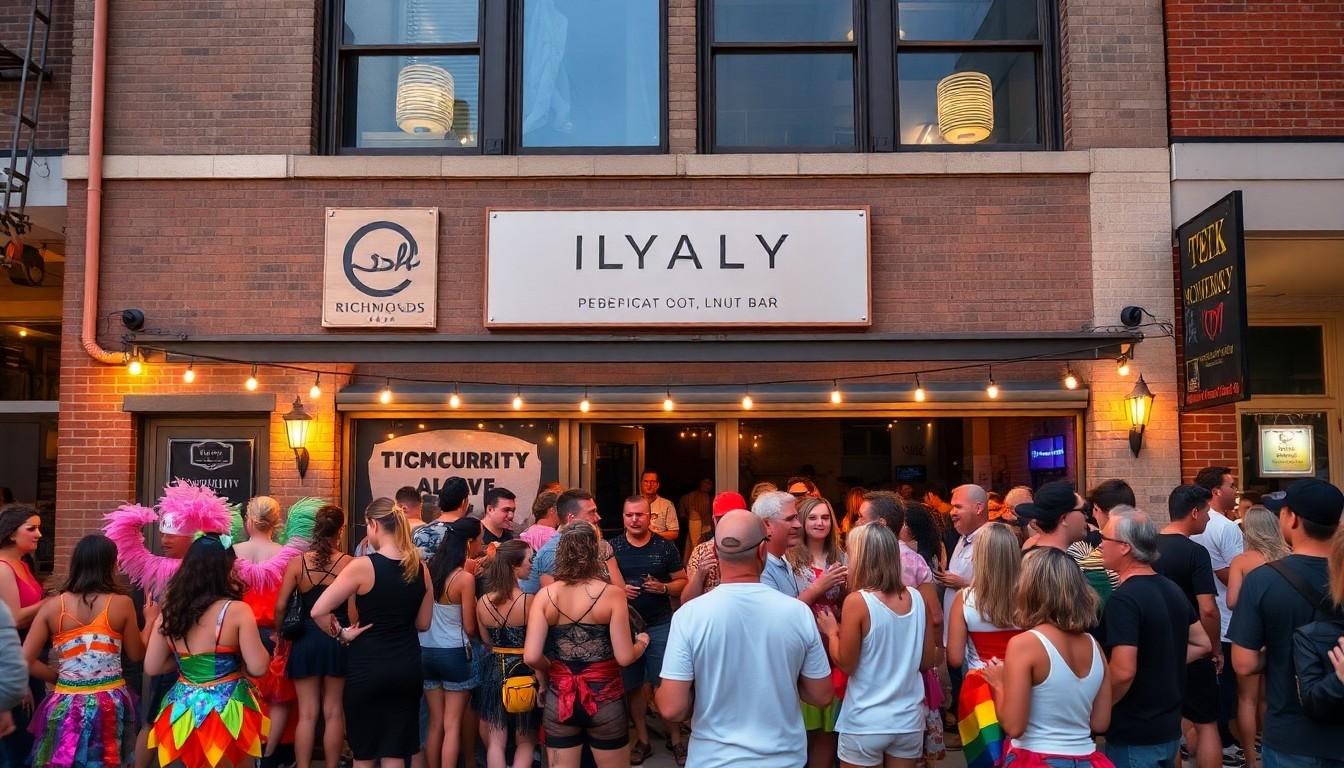
Performers, organisers and audiences have turned Richmond drag into far more than a night out. From Godfrey's legendary shows to Virginia Pride's growing festival, the city's queens have created spaces for celebration, fundraising and belonging, showing why drag remains one of Richmond's most joyful community forces.
Essential Takeaways
- Drag has deep roots: Godfrey's has played a central role in Richmond's drag scene for decades.
- Community comes first: Local performers regularly support charities, health initiatives and families in need.
- Pride has grown dramatically: Virginia Pride has expanded from a small gathering into a major annual celebration.
- The stage can change lives: For many performers and audiences, drag offers visibility, confidence and connection.
- Safety still matters: Anti-drag rhetoric has contributed to hostility towards performers, despite their community work.
At Godfrey's, a first show can become a life
The lights, wigs and high heels may catch the eye, but Richmond's drag story is really about recognition. For many performers, a night at Godfrey's offers something more lasting than applause: the feeling of being understood in a room where self-expression isn't treated as a problem.
Godfrey's has long been a home for local drag, with its shows helping generations of performers find an audience and a chosen family. Out RVA described the venue's history as a defining part of the city's queer nightlife, while Richmond Magazine highlighted the scale and energy of its weekend performances.
For Alvion Arnell Davenport, that connection began as a teenager after a school pageant opportunity disappeared. A first visit to Godfrey's led, with some encouragement, to a Calendar Girl competition and eventually to a career spanning more than two decades. It's a reminder that an unexpected night out can sometimes open an entirely new door.
Richmond's queens do more than entertain
Drag brunch is often presented as a colourful way to spend a weekend morning, and it certainly delivers on the sequins. But Richmond's performers have also built a reputation for turning the spotlight towards practical causes, from fundraising dinners to community drives.
According to the original Style Weekly account, local drag events have helped collect school supplies, support Habitat for Humanity and raise money for healthcare and dental treatment. Those efforts give the scene a grounded purpose. The glamour is real, but so is the work behind it.
That generosity is part of what makes Richmond's drag culture feel unusually embedded in the wider city. Audiences might arrive for a lip-sync, a comic routine or a spectacular costume, then leave having contributed to something that reaches well beyond the venue.
Pridefest has grown with the city
Virginia Pride's annual festival shows just how much the region's LGBTQ+ community has expanded. Diversity Richmond describes Pride as a major platform for visibility and celebration, while WTVR has reported on the event's growing importance in Richmond's cultural calendar.
The contrast with earlier years is striking. Pride events that once drew only a few hundred people now attract thousands, with performers, volunteers, charities and businesses sharing the same public space. That growth matters because it turns private confidence into visible community power.
Axios Richmond also noted Davenport's significance as a new generation of drag royalty. Titles can sound playful, but they carry real cultural weight when they recognise performers who've spent years mentoring others and keeping local stages alive.
Why representation still matters
For someone discovering drag today, the scene's online tutorials, specialist products and polished production may make it look effortless. Earlier performers had to improvise with whatever they could find, learning through experimentation rather than quick videos and carefully targeted retailers.
That history matters because drag has never been only about appearance. It can provide a language for people who have felt overlooked, while giving audiences permission to celebrate identities and ideas that aren't always welcomed elsewhere. As Richmond Magazine's reporting on local performers suggests, the appeal lies as much in personality and connection as in costume.
The risks haven't disappeared, though. The original Style Weekly essay pointed to research showing that LGBT people face a significantly higher risk of violent crime than non-LGBT people. That reality sits uncomfortably beside political claims that drag performers are dangerous, particularly when local artists are so visibly involved in service and fundraising.
The next chapter is already on stage
Richmond's drag scene now stretches well beyond one club or one annual festival. Virginia Pride volunteers appear at dozens of community events, while performers continue to build audiences through brunches, shows, fundraisers and special celebrations.
For visitors, the best way to engage is straightforward: choose a reputable venue, check event details, bring cash for tips if appropriate and treat performers as professionals rather than props. A little enthusiasm goes a long way, and listening to the people who built the scene is even better.
The most moving part of Richmond's story is its sense of continuity. One performer found confidence through a local stage, then spent years helping others feel visible there too. That's how nightlife becomes culture, and how a show becomes a community.
Drag in Richmond isn't just putting on a performance; it's making room for people to be seen.
Source Reference Map
Story idea inspired by: [1]
Sources by paragraph:
- Paragraph 1: [2], [5]
- Paragraph 2: [5], [6]
- Paragraph 3: [3], [4]
- Paragraph 4: [1], [5]
- Paragraph 5: [1], [7]
- Paragraph 6: [2], [7]
- Paragraph 7: [1], [3]
- Paragraph 8: [1], [6]
- Paragraph 9: [1], [4]
- Paragraph 10: [1], [7]
- Paragraph 11: [2], [3]
- Paragraph 12: [4], [6]
- Paragraph 13: [1], [5]
- Paragraph 14: [2], [7]
- Paragraph 15: [1], [3]
- Paragraph 16: [1], [4]
- Paragraph 17: [1], [6]