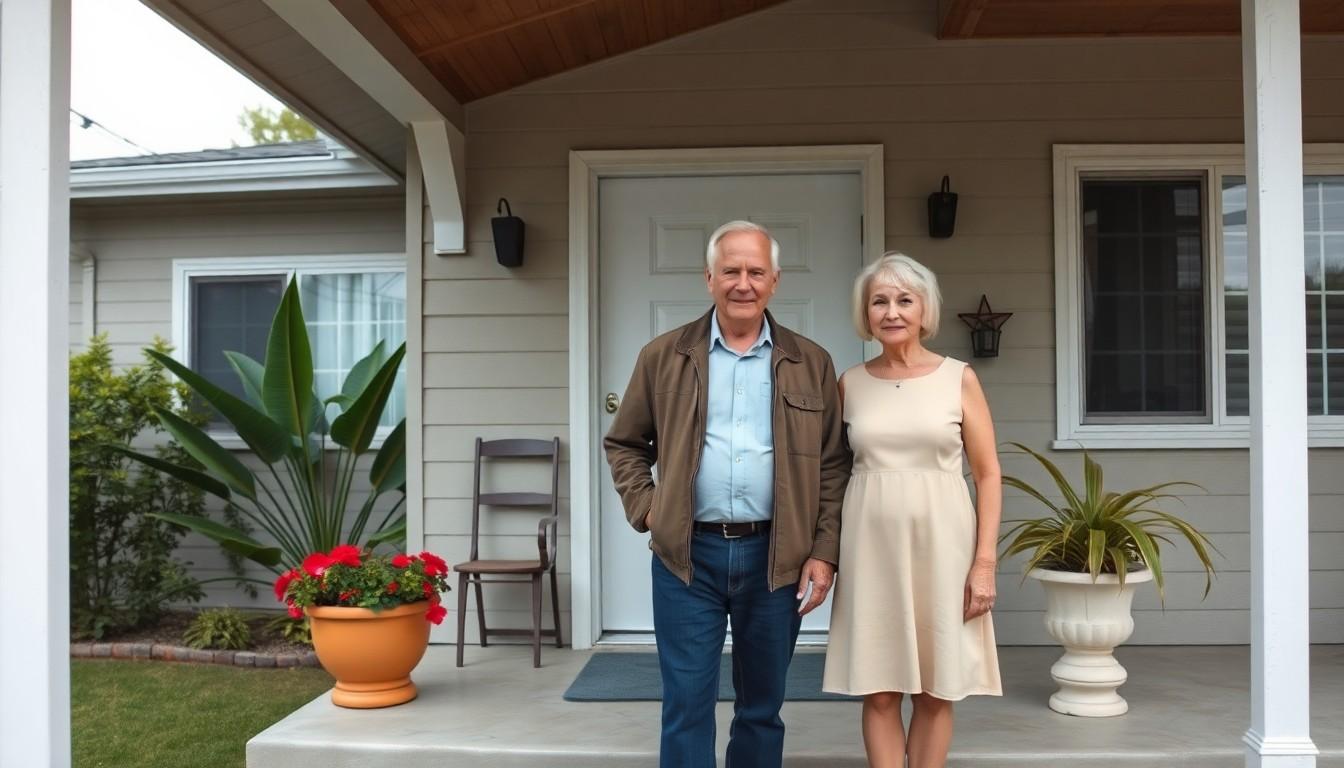
Viewers are flocking to TikTok for stories from two lesbian grandmothers whose decades-long relationship opens a funny, tender window onto queer life in the 1960s and 1970s. Their scrapbook revelations are entertaining, but they also show why older LGBTQ+ voices matter so much online.
Essential Takeaways
- A viral family story: A grandson’s videos of his grandmothers have drawn millions of views.
- Queer history with humour: Their memories include underground weddings, drag, motorcycle clubs and a colourful dating life.
- Nearly five decades together: The couple built a lasting relationship during a far less accepting era.
- Older voices are finding audiences: Elder queer creators are helping younger viewers connect with LGBTQ+ history.
- The emotional payoff: Commenters say seeing happy, older queer couples feels reassuring and healing.
TikTok has found its favourite lesbian grandmas
The best viral stories often arrive without much polish. Here, the setting is simply a family visit, a few old photographs and two women who clearly know how to hold an audience.
Los Angeles-based creator Corey Jacob filmed his grandmothers recalling their queer lives in the 1960s and 1970s. The result was part family archive, part comedy routine, and part history lesson, with the relaxed feel of gossip shared across a kitchen table.
According to Queerty, the first clip quickly passed two million views. That response makes sense: the stories are intimate, mischievous and unexpectedly funny, but they also offer something social media rarely gets right, which is a sense of lived time.
Their scrapbook is packed with queer history
The women describe a world of secret relationships, adventurous friends and makeshift celebrations. Their memories include a hairdresser who arrived at a party in drag, a gay motorcycle club and visits to Provincetown, all details that turn abstract history into something vivid and wonderfully human.
There are also stories of unofficial weddings held before same-sex marriage was legally recognised in the United States. These ceremonies weren't marriages in the legal sense, but they clearly carried emotional weight for the people involved.
That distinction matters. As research on LGBTQ+ memory and community history suggests, private rituals can preserve identity and belonging even when public institutions refuse to recognise them. A photograph or scrapbook page can become proof that a relationship existed, mattered and endured.
The romance is complicated, hilarious and real
Jacob's grandmothers don't present their younger selves as saints or symbols. They talk openly about dating several women, former girlfriends and romantic entanglements that sound less like a tidy period drama and more like a particularly chaotic group chat.
Their teasing is part of the appeal. One grandmother jokes about needing a day off rather than having a girlfriend for every day of the week, while Jacob reacts with the delighted disbelief of someone discovering that his relatives had far more exciting social lives than he imagined.
The tenderness sits alongside the comedy. Jacob learned that his more butch grandmother had originally married a man and later met Charity, the woman who became her long-term partner. They eventually formed a life together that lasted for almost 50 years, a quietly extraordinary achievement given the pressure placed on queer couples at the time.
Why older queer creators matter online
TikTok is often treated as a platform for the young, but elder queer creators are changing that picture. Them has highlighted how older LGBTQ+ people use social media to share memories, challenge stereotypes and make history feel personal rather than distant.
That visibility is especially valuable for younger viewers who may know the broad timeline of LGBTQ+ rights but have little sense of how ordinary queer people navigated daily life before legal protections and widespread acceptance. These grandmothers fill in the texture: the clothes, parties, friendships, risks and jokes.
AARP's real-people storytelling also reflects a wider appetite for older adults speaking in their own voices. There's a particular pleasure in watching someone refuse to become a solemn museum exhibit. These women aren't only survivors of a difficult era; they're funny, romantic, social and gloriously complicated.
A family video becomes a shared inheritance
The comment section reportedly filled with photographs of queer relatives and stories from older generations. Viewers described the videos as comforting, with some saying that seeing happy older LGBTQ+ people made the future feel less frightening.
That reaction points to something bigger than virality. Queer communities have often had to rebuild family narratives after being separated from biological relatives, public records or welcoming institutions. A story passed down by a grandmother can therefore feel like both entertainment and inheritance.
It also explains why this series resonates beyond the family itself. Jacob's grandmothers are sharing their own memories, but viewers are using them to reconnect with people and histories they may never have known. In a scrolling culture full of fleeting content, that kind of connection feels unusually solid.
The internet loves a scandalous detail, naturally. But the lasting appeal here is simpler: two women made a life together, and they're still laughing about it.
Explore the stories of older queer people; their memories may be the most entertaining history lesson you'll find.
Source Reference Map
Story idea inspired by: [1]
Sources by paragraph: