A growing conversation among Black men is challenging the idea that softness, colour, music or emotional honesty make someone less masculine. From social media debates to films such as Moonlight, the message is becoming harder to ignore: policing everyday behaviour as “gay” can leave little room for confidence, individuality or healthy emotional life.
Essential Takeaways
- The stereotype is wide-ranging: Voices described in the debate say men can be labelled gay for their voice, clothes, interests or emotional openness.
- Social media amplified the issue: The “sassy man apocalypse” became a viral shorthand for arguments about masculinity and gender roles.
- Emotional restriction has a cost: Wellness experts and commentators have linked rigid masculine expectations with difficulty expressing feelings.
- Representation matters: Cultural writing around Moonlight showed how vulnerability and sexuality can be shaped by race, place and social pressure.
- The alternative is freedom: Wearing pink, enjoying women artists or showing emotion doesn't determine a man's sexuality or worth.
The “everything is gay” test is exhausting
The most revealing part of this debate is how ordinary the triggers can be. A softer voice, a bright colour, a love of pop music or simply being comfortable with emotion can become evidence in an imaginary masculinity trial. It's a tiring way to live, especially when the rules keep changing.
The conversation also exposes a familiar confusion: treating gender expression and sexual orientation as the same thing. They aren't. As commentary on Black male identity has shown, men can be stylish, gentle, expressive or playful without needing to defend their sexuality every five minutes.
That constant suspicion does more than produce jokes. It teaches boys to monitor themselves before anyone else gets the chance, which is a remarkably cramped way to grow up.
Where did these rules come from?
For many men, the conditioning starts early. Boys may be told not to cry, not to appear delicate and not to show too much affection, often by adults who believe they're preparing them for a difficult world. The intention can be protective, but the lesson still lands as emotional silence.
The Washington Post has explored how restrictive ideas about masculinity can make it harder for men to recognise and communicate what they're feeling. In practical terms, that might mean anger becomes the only emotion considered acceptable, while sadness, fear and tenderness are pushed underground.
Race adds another layer. Discussions of homophobia and the reaction to openly gay Black men have shown how stereotypes about Black masculinity can become especially forceful, demanding toughness while punishing any perceived deviation.
Social media turned masculinity into a running argument
The viral “sassy man apocalypse” conversation gave the subject a catchy label, but the argument underneath it was much older. As the Los Angeles Times reported, online debates focused on men who are comfortable with expressive gestures, beauty routines, fashion or interests traditionally coded as feminine.
Some of the discussion was playful. Some of it was plainly judgemental. That mix is typical of social media, where a joke can quickly become a worldview and a meme can turn into a test of who counts as a “real” man.
The danger is that labels such as “sassy” can still become another form of policing. Whether the tone is teasing or hostile, the underlying message may remain the same: stay inside the approved shape, or prepare to be mocked.
Black male style has never been one-size-fits-all
There has always been room within Black culture for men who are stylish, artistic, emotionally open and unconcerned with traditional presentation. The Fader's coverage of carefree Black men highlighted a more relaxed, self-defined approach to identity, one that doesn't treat masculinity as a uniform.
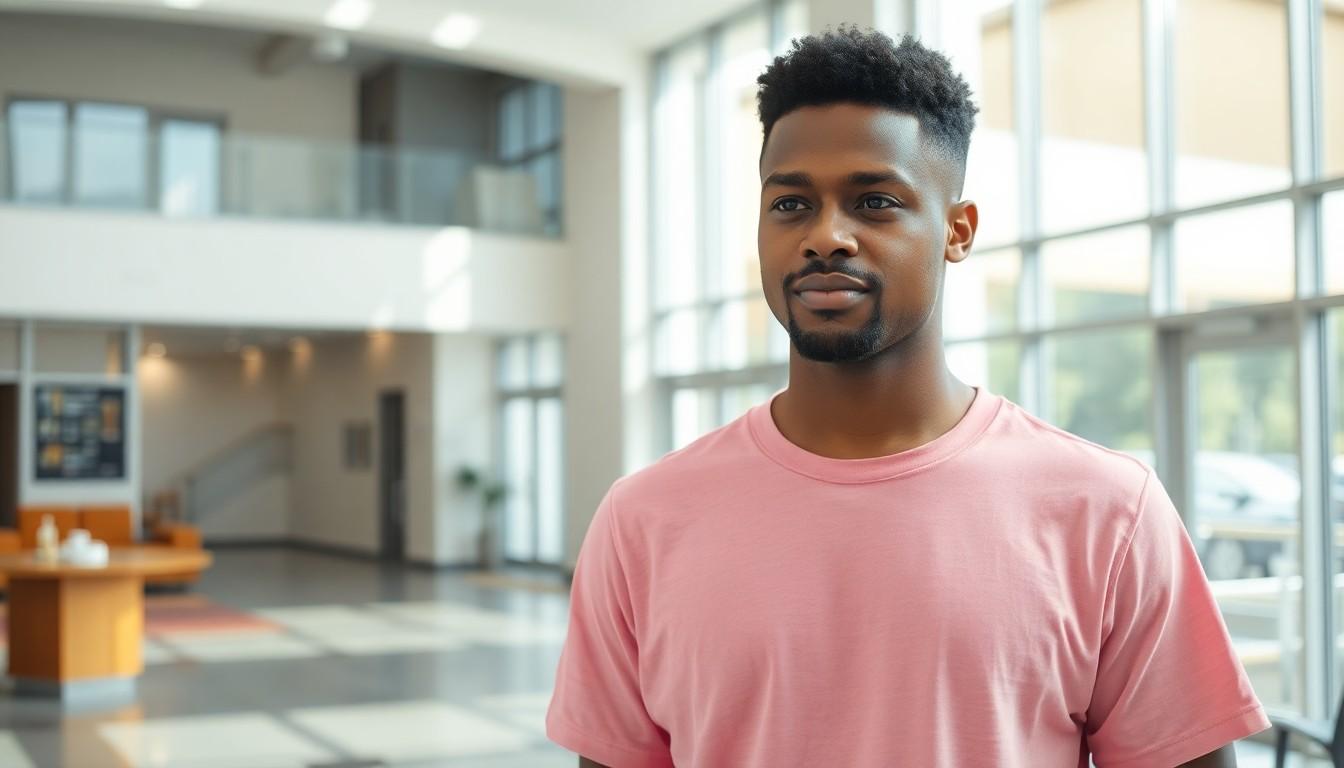
That freedom can be visible in small choices. A pink shirt, a soulful playlist, a carefully chosen outfit or an interest in romantic television says something about taste, not sexual orientation. Your wardrobe isn't a witness under cross-examination, however much the internet may behave as though it is.
Cultural stories can help widen that picture. Writing about Moonlight, The Guardian examined the difficulty of vulnerability for a Black gay man in the United States, showing how silence and toughness can shape intimate life. Even for people who don't share the character's sexuality, the emotional pressure is recognisable.
What healthier masculinity can look like
A better approach starts with separating confidence from performance. A man doesn't become more secure by mocking another man's voice, clothes or interests. If anything, the need to enforce those rules can reveal how fragile the rules are.
Parents and carers have a particularly important role. Telling boys that they can cry, ask for help and enjoy what they enjoy doesn't make them weak. It gives them more tools for dealing with relationships, disappointment and the inevitable hard days that arrive without asking permission.
The change won't happen through one viral phrase or a single well-meaning conversation. But every man who refuses to pass the same restrictions on to his sons, friends or younger relatives helps make the room a little larger. Sometimes progress looks surprisingly ordinary: wearing the colour you like and getting on with your day.
It's masculinity with the unnecessary rules taken out.
Source Reference Map
Story idea inspired by: [1]
Sources by paragraph:
- Paragraph 1: [2], [3]
- Paragraph 2: [4], [5]
- Paragraph 3: [6], [7]
- Paragraph 4: [3], [4]
- Paragraph 5: [2], [6]
- Paragraph 6: [5], [7]
- Paragraph 7: [3], [4]
- Paragraph 8: [2], [7]
- Paragraph 9: [3], [5]
- Paragraph 10: [4], [6]
- Paragraph 11: [5], [6]
- Paragraph 12: [2], [3]
- Paragraph 13: [4], [7]
- Paragraph 14: [3], [6]
- Paragraph 15: [2], [5]
- Paragraph 16: [4], [6]
- Paragraph 17: [3], [7]
- Paragraph 18: [2], [4]