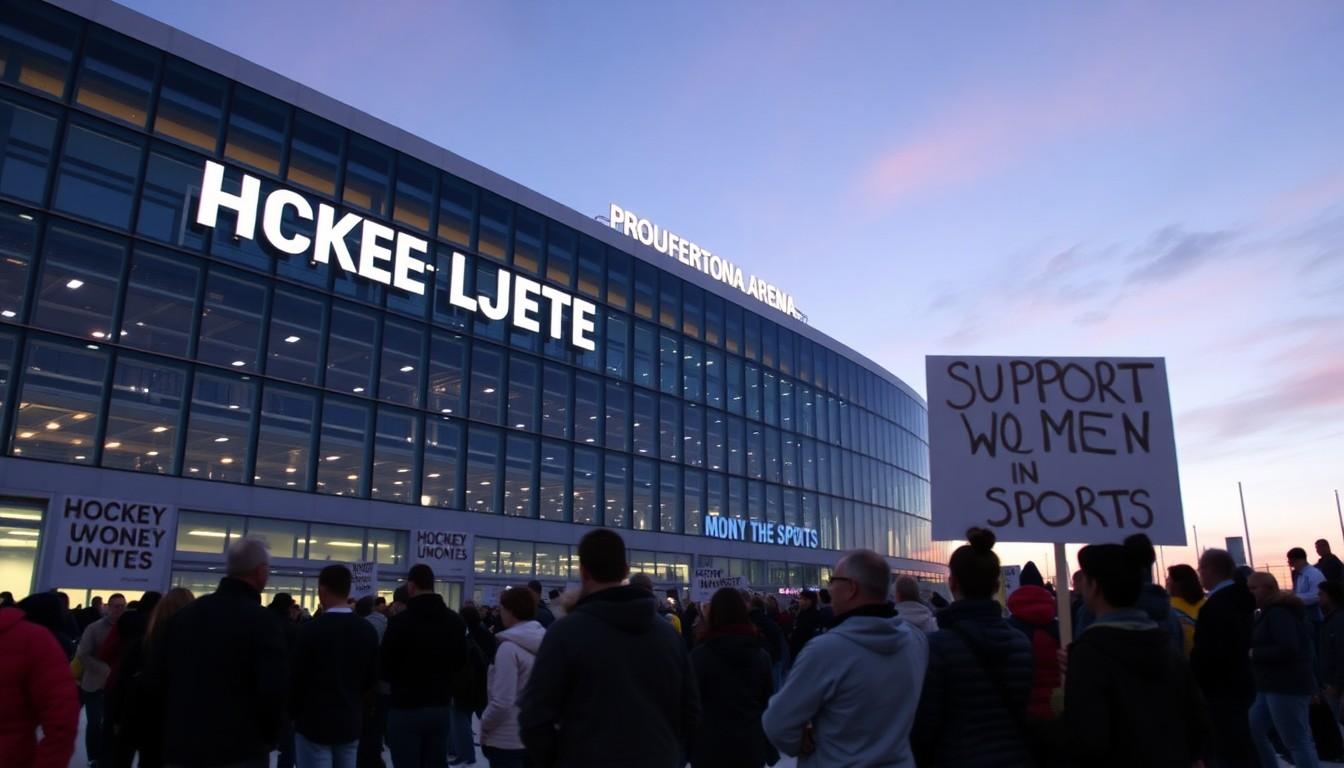
Dallas Stars fans are facing the loss of a familiar Pride Night next season, with the team replacing it with Hockey Unites Night. The change has delighted conservative campaigners but unsettled LGBTQ+ supporters, who say the inclusive fixture offered something rarer than a themed evening: a place to feel visible, welcome and safely part of the crowd.
Essential Takeaways
- Pride Night is gone: The Dallas Stars won't hold the event during the upcoming season.
- A new fixture takes its place: Hockey Unites Night will spotlight a different underrepresented community, beginning with women in sports.
- Fans feel divided: LGBTQ+ supporters have described the decision as painful, while conservative groups are calling it a victory.
- The debate is bigger than hockey: The row reflects a wider retreat from corporate LGBTQ+ visibility in American sport.
- Representation still matters: For some fans, a colourful arena and welcoming atmosphere can turn a game into a lasting memory.
A familiar night disappears from the calendar
The Stars' promotional schedule now lists Hockey Unites Night on 23 March instead of a dedicated Pride Night, according to reporting by the Dallas Observer and Chron. The club says the new format will support a different underrepresented community each season, with women in sports receiving this year's focus.
On paper, that sounds like a broader approach to inclusion. In practice, LGBTQ+ fans have noticed what's missing. A Pride fixture offered more than rainbow branding and special merchandise; it created a visible signal that queer supporters belonged in the building, too.
That emotional distinction is easy to overlook from outside the arena. For a fan arriving at a game with nerves already humming, a Pride-themed welcome can make the night feel softer and less guarded.
Why the decision has landed so heavily
Outsports reported on the reaction from Izzy, a 21-year-old lesbian and trans fan who attended their first Pride game in 2023. They described the evening as a rare moment when their identity and love of hockey could exist comfortably side by side.
That memory helps explain the backlash. A sports team may see one date on a calendar, but supporters often experience it as a ritual, a meeting point and sometimes their first public celebration with a partner, family member or chosen community.
The Dallas Observer and Chron both placed the decision in a broader conversation about changing public attitudes towards LGBTQ+ events. For critics, it feels less like a neutral reshuffle and more like a retreat from a promise that once seemed increasingly ordinary.
Conservative campaigners are calling it a win
The cancellation has been welcomed by the Family Research Council and commentators associated with the Heritage Foundation. As reported by LGBTQ Nation, they framed the move as evidence that professional sport is stepping back from what they describe as political activism.
That language is part of a familiar culture-war strategy, turning a community celebration into a test of ideological loyalty. The result is a strange mismatch: one side talks about marketing and programming, while the other sees a symbolic battle over who gets public recognition.
The reaction also shows why Pride Nights remain politically charged, even when the event itself is fairly simple. A few flags, a ceremonial puck drop and a special shirt can carry a surprisingly large message about who a club wants to see in its stands.
Hockey Unites Night offers a wider, but less specific, promise
The Stars say the replacement event will support a different underrepresented group each season. That gives the club flexibility and could create meaningful visibility for communities that haven't always had much space in professional sport.
Still, broad inclusion doesn't automatically replace targeted representation. A general message that hockey is for everyone can feel positive, but it may lack the direct reassurance of an event that says, plainly, LGBTQ+ fans are welcome here.
For shoppers and supporters watching the team's merchandise and promotional calendar, the practical question will be whether the new night feels genuinely community-led or simply less controversial. The details will matter: who is invited, which organisations are involved and whether the atmosphere feels warm rather than carefully neutral.
The wider sports retreat is now hard to ignore
The Dallas decision arrives as American sports organisations reassess how openly they promote LGBTQ+ inclusion. Out and Outsports have tracked the cancellation as part of a wider shift, particularly in states where gender and sexuality have become frequent political flashpoints.
That doesn't mean every club is abandoning inclusion. Some teams continue to host Pride events, support community groups or feature LGBTQ+ athletes and fans. But the uneven landscape makes each withdrawal feel more significant, especially to supporters who remember when these nights represented visible progress.
For the Stars, the next test won't simply be attendance on Hockey Unites Night. It'll be whether the organisation can explain its values consistently, including to fans who feel that a small but important piece of their hockey life has been removed.
The arena may still be full, but a full arena isn't the same as every supporter feeling seen.
A welcoming sport needs both broad unity and specific visibility.
Source Reference Map
Story idea inspired by: [1]
Sources by paragraph: