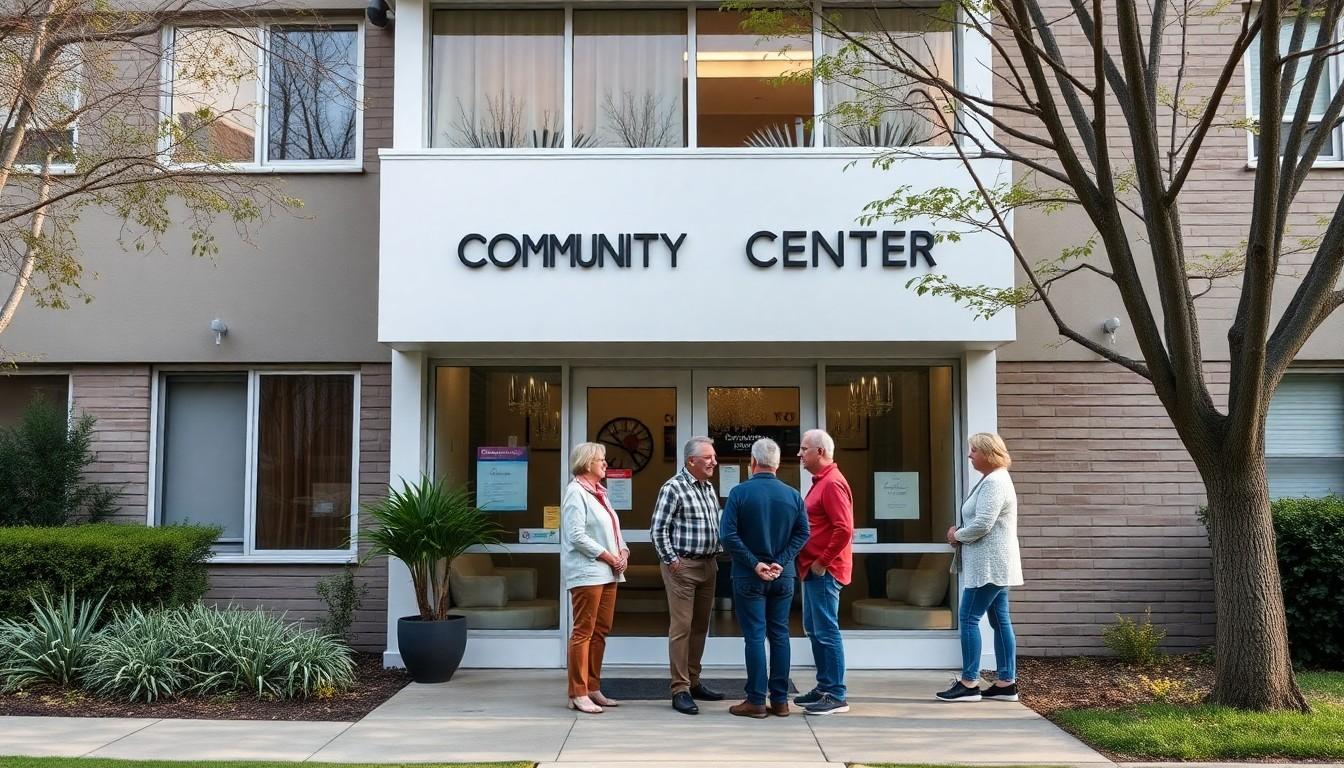
Queer millennials are confronting retirement planning without the traditional family blueprint, but LGBTQ+ elders, housing projects and chosen families are already offering practical answers. From senior apartments to legal paperwork, the message is hopeful: growing older safely and openly is possible when communities plan together.
Essential Takeaways
- The gap is real: Many LGBTQ+ older adults are more likely to live alone and less likely to have children available as informal carers.
- Affirming housing is expanding: Projects including Triangle Square and Mosaic Apartments show how senior housing can be both affordable and LGBTQ-friendly.
- Chosen family needs legal backing: Wills, healthcare directives and powers of attorney can give trusted friends meaningful authority.
- Community care starts early: Regular check-ins, honest conversations and practical help can become a powerful support network.
- Planning beats panic: Saving, researching housing and naming decision-makers are small steps with lasting value.
Retirement can feel like a future without a map
For many gay men in their thirties and forties, retirement planning isn't just about pensions and house prices. It's also about imagining who might help when work becomes difficult, illness arrives or independent living is no longer possible. That uncertainty can feel particularly sharp for people who grew up with few visible examples of happy, healthy queer ageing.
The AIDS epidemic removed countless elders, mentors and community leaders, leaving a painful hole in the generational story. But the picture isn't empty. Human Rights Campaign estimates show that LGBTQ+ people make up a substantial population across the United States, including many older adults, while long-term HIV survivors continue to offer hard-won lessons about resilience and planning. [5]
The more useful question, then, may be less "Where are our elders?" and more "How do we listen to the ones who are here?" Their experience includes survival, activism, financial mistakes, care responsibilities and the everyday business of getting older.
LGBTQ+ senior housing is becoming more visible
A growing number of developments are designed to help LGBTQ+ older adults remain visible, connected and secure. Triangle Square in Los Angeles, for instance, offers dedicated senior apartments through the Los Angeles LGBT Center, with housing designed around affordability and community rather than isolation. [3]
Oakland's Mosaic Apartments follows a similar path, combining affordable senior housing with an LGBTQ-friendly environment. Its opening reflects a wider shift: older residents increasingly want somewhere they don't have to explain their partner, family structure or history before receiving care. [4]
These projects matter because ordinary retirement housing hasn't always felt ordinary to queer residents. A person who spent decades building a chosen family may worry about discrimination, loneliness or being pushed back into the closet in later life. A welcoming building can't solve every financial problem, but it can remove one enormous emotional burden.
Communal living sounds ideal, but it's not the only route
Purpose-built communities attract attention because they make the idea of ageing together tangible. The Pryde, an LGBTQ+ senior housing project in Massachusetts, is part of a movement towards homes where residents can share social life, mutual support and a sense of belonging without giving up privacy. [2]
Still, communal living won't suit everyone. Some people want a private flat near friends, while others may prefer a smaller town, a co-operative arrangement or a home adapted for future care. The practical lesson is to explore several models before a crisis makes the decision for you.
That means checking waiting lists, eligibility rules, transport, accessibility, care provision and total costs. A glossy brochure is no substitute for asking who actually lives there, how emergencies are handled and whether residents can bring partners, friends or pets. Your future self will appreciate the boring questions.
Chosen family needs more than good intentions
A close friend may be the person who visits you in hospital, manages your medication or knows what you want at the end of your life. Yet friendship alone doesn't automatically grant legal authority. Without clear documents, doctors, landlords and financial institutions may default to relatives who aren't involved or don't understand your wishes.
That makes a will, lasting power of attorney and healthcare directive especially important for people whose most meaningful relationships don't fit a traditional family tree. Speak to a qualified solicitor or financial adviser about the rules where you live, and review the documents after major changes such as a breakup, move or serious diagnosis.
It's also worth having direct conversations with the people you're naming. Would they be willing to help? Do they understand your preferences? Who could step in if your first choice is unavailable? A loving network becomes much more dependable when everyone knows the plan.
The best retirement strategy starts with friendship
Financial planning still matters: contribute to a pension where possible, build an emergency fund and learn what benefits or housing support may be available. But money is only one part of ageing well. Social connection can determine who notices a problem early, brings dinner after an operation or makes sure a lonely week doesn't become a dangerous one.
Chosen Years focuses on helping people think intentionally about later life, including relationships, values and practical preparation. [6] That wider approach feels particularly relevant for queer adults, who may need to create support systems rather than inherit them automatically.
So start small. Arrange a monthly dinner, check in with a friend who is struggling, talk openly about mental health and make a shared list of emergency contacts. These gestures may seem ordinary, but ordinary care is how a community becomes a safety net.
A more hopeful queer future is already being built
New LGBTQ+ retirement communities and senior housing projects suggest that the market is slowly recognising a long-ignored need. Recent coverage has highlighted developments across the United States, while established projects show that affirming later-life housing can move from an inspiring idea to a functioning neighbourhood. [7]
The work ahead is substantial. Housing remains expensive, specialist developments are limited and many older LGBTQ+ adults still face poverty, disability or isolation. But the existence of these communities changes the conversation: queer people aren't merely asking to be accommodated; they're designing better ways to age.
There may never be one universal model. Some will live in LGBTQ+ developments, some will share homes with friends, and others will build support across an ordinary neighbourhood. The common thread is preparation, honesty and a willingness to care for one another before help becomes urgent.
It's never too early to start building the people and paperwork your future will need.
Source Reference Map
Story idea inspired by: [1]
Sources by paragraph: