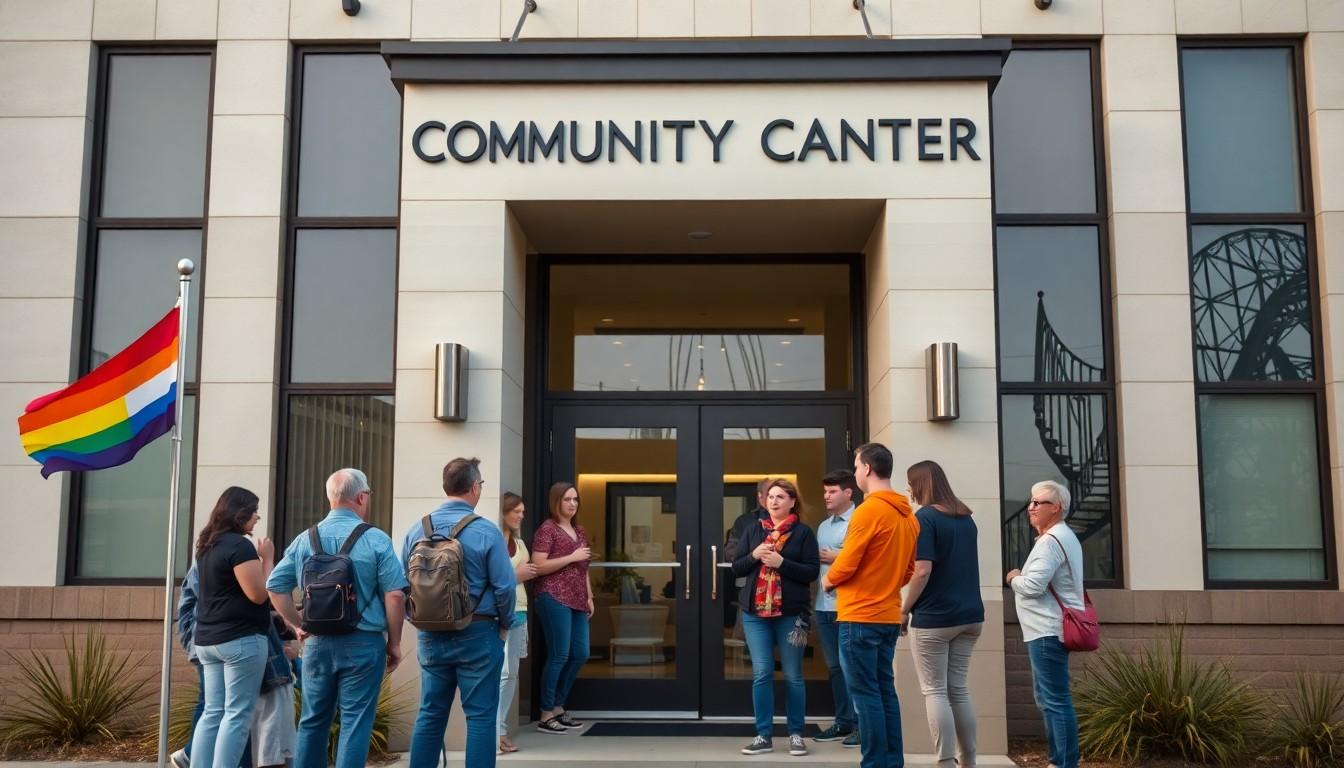
People connected with a major Dallas LGBTQ resource centre are being warned after hackers accessed files containing highly sensitive personal details. The incident, reported to Texas authorities, may affect more than 9,000 individuals and raises fresh concerns for anyone who relies on community health, HIV support or mental healthcare services.
Essential Takeaways
- More than 9,000 people affected: The breach report filed in Texas lists over 9,000 potentially impacted individuals.
- Highly sensitive data exposed: Information may include names, Social Security numbers, government ID details, financial records and medical information.
- Health details may be involved: Health insurance information and other healthcare data were potentially accessible.
- The attacker remains unknown: The Resource Center said an unauthorised third party accessed its files and that law enforcement was notified.
- Legal investigations are under way: Several law firms have announced reviews of the incident on behalf of affected people.
A serious breach at a vital Dallas LGBTQ organisation
The Resource Center of Dallas has confirmed that an unauthorised party accessed organisational files earlier this year. The breach could involve names, identification numbers, financial information and medical records, making this more than a routine password scare. For people whose healthcare or support needs are private, the exposure may feel especially unsettling.
The organisation is one of Texas's largest LGBTQ service providers, offering advocacy, primary and mental healthcare, plus HIV and AIDS support. That combination means its records can contain unusually personal information, from insurance details to health-related correspondence. The Texas Attorney General's Office reporting system indicates that more than 9,000 people were affected, according to reporting cited by The Dallas Morning News.
What information might have been exposed?
The potentially compromised data is broad. It may include Social Security numbers, government identification details, financial information, medical records and health insurance information. Each category carries a different risk, but together they create the possibility of identity theft, fraudulent healthcare activity or targeted scams.
The organisation's notice reportedly did not identify the intruder or explain precisely which records were taken. That uncertainty matters, because people may need to stay alert even if they haven't yet seen suspicious activity. Healthcare-related fraud can be quiet at first, arriving as an unfamiliar bill, an insurance statement or a message that feels just slightly off.
Why LGBTQ healthcare data needs particular care
For many people, an LGBTQ resource centre isn't simply a place to pick up information. It can be a trusted route to counselling, HIV services, primary care and community support, often for people who have had poor experiences elsewhere. A data incident involving that kind of organisation can therefore affect both finances and a person's sense of safety.
The Resource Center was founded more than 40 years ago and has built its work around advocacy and direct services. That long history underlines the importance of the incident, but it also explains why the records may cover a wide range of programmes. Similar healthcare breaches are tracked through federal reporting systems maintained by the US Department of Health and Human Services.
What should affected people do now?
Anyone who receives a breach notification should read it carefully and check whether it specifies the data involved, the relevant dates and any credit-monitoring or identity-protection support. It's also sensible to review bank accounts, credit reports and health insurance statements for unfamiliar activity. Keep copies of the notification and avoid clicking links in unexpected follow-up emails.
A free fraud alert can make it harder for criminals to open new credit accounts, while a credit freeze offers stronger protection if you suspect your information has been misused. Change reused passwords, switch on multi-factor authentication and contact your insurer if a medical claim or provider looks unfamiliar. The Texas Attorney General's consumer guidance also provides general information about breach notifications and identity protection.
Investigations could bring more answers
The organisation said it notified law enforcement after discovering that files had been accessed. Meanwhile, multiple law firms have publicised investigations into the incident, including reviews of whether affected individuals may have legal claims. Those announcements don't establish wrongdoing, but they show how closely the breach is being examined.
The final scope may also change as technical investigations continue and notices are sent. For now, the practical message is simple: treat any unexpected financial, medical or identity-related communication with caution. When sensitive information is involved, a few minutes spent checking a statement can spare a much bigger headache later.
It's a deeply personal breach, so staying informed and acting early matters.
Source Reference Map
Story idea inspired by: [1]
Sources by paragraph: