LGBT people across south-west England are being reminded that support matters when confronting painful experiences linked to conversion practices. The renewed focus comes amid continuing debate over a UK-wide ban, historic discrimination and concerns about the wellbeing of people asked to revisit deeply personal memories.
Essential Takeaways
- Support is available: People affected by conversion practices shouldn't have to navigate disclosure or recovery alone.
- The debate is ongoing: The Government has consulted on proposals to ban conversion therapy, but campaigners say progress has been too slow.
- The harm can linger: Research links conversion practices with poorer mental health and lasting emotional distress.
- History still matters: Section 28 and other past policies continue to shape LGBT communities' relationship with public institutions.
- Policy needs care: Any new rules must protect LGBT people without creating fresh risks, particularly for trans people.
The emotional cost is more than a policy detail
For someone affected by conversion practices, coming forward can feel less like completing a form and more like opening a door they've spent years keeping shut. Revisiting those experiences may bring fear, shame or grief, particularly when the original harm involved family, faith or trusted professionals.
Research published in the Journal of Sexuality Research and Social Policy has examined the relationship between conversion practices and mental health, adding to evidence that these experiences can have serious and lasting consequences. That matters because public discussion can sometimes sound technical, while the people involved are dealing with very human pain.
Why the UK ban debate has taken so long
The Government's consultation on banning conversion therapy set out proposals intended to prevent practices that seek to change or suppress a person's sexual orientation or gender identity. The process has attracted strong public interest, but campaigners have repeatedly argued that promised action has not arrived quickly enough.
Stonewall has criticised the failure to meet an expected timetable, saying delay leaves LGBT people exposed. For those waiting for protection, another consultation or policy statement can feel frustratingly distant from everyday reality.
Britain has been here before
The argument over protection and recognition also sits within a longer history. The National Archives' account of Section 28 shows how legislation once restricted discussion of LGBT lives in schools and contributed to a climate of silence and stigma.
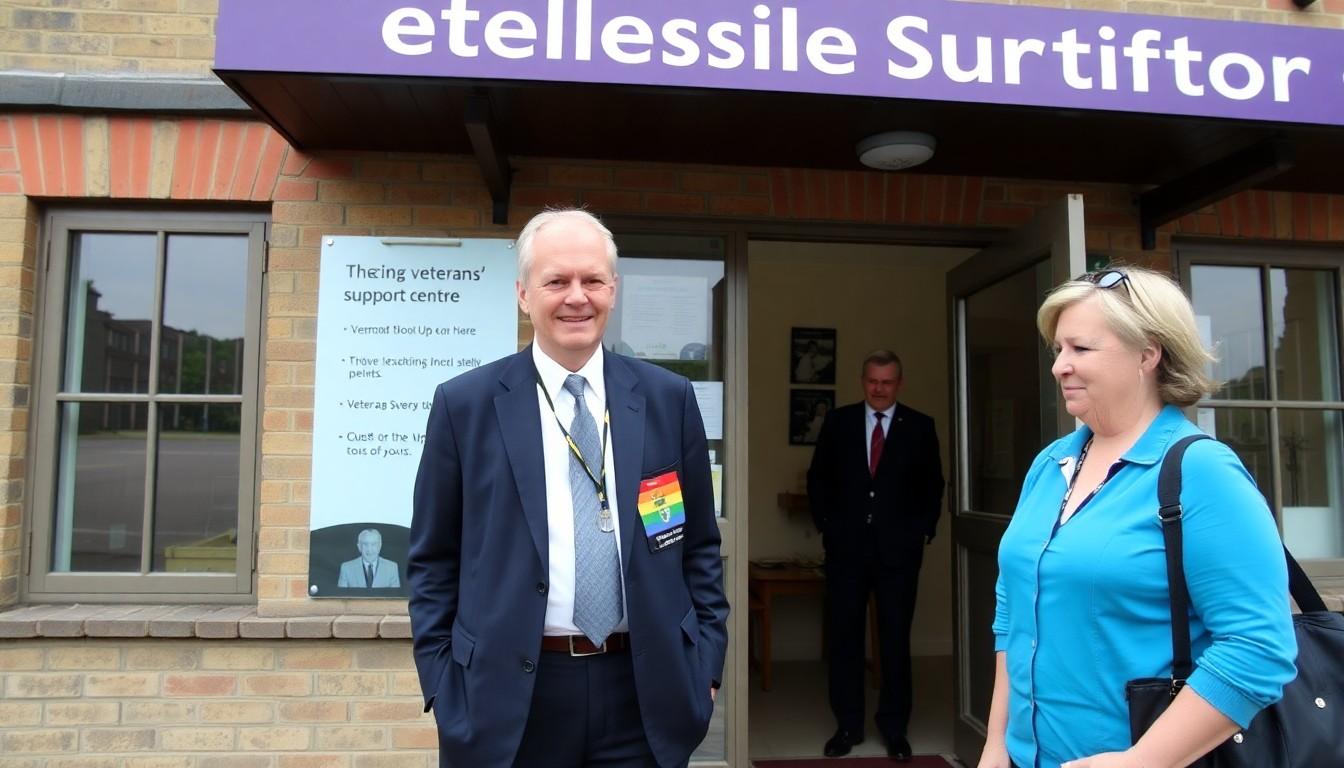
That history hasn't simply vanished because the law changed. Northumbria University research into LGBT veterans and the impact of the ban highlights how institutional decisions can affect people long after the original policy has ended. Trust, understandably, is hard won and easily lost.
Trans people face a particularly complicated policy picture
Any ban must be clear enough to stop coercive practices, while avoiding rules that could be misused against people seeking legitimate support or healthcare. Recent reporting by ITV has highlighted concerns from MPs that new guidance could place trans people at risk of enforced segregation.
That makes the detail of legislation crucial. Broad promises sound reassuring, but definitions, enforcement and access to independent advice will determine whether protection works in practice. A policy designed to help one vulnerable group shouldn't leave another feeling watched, restricted or pushed aside.
What support should look like
People considering coming forward may want confidential advice before making a formal report. Speaking to an LGBT-affirming counsellor, advocacy organisation or specialist legal service can help someone understand their options without pressure to disclose everything at once.
Support should also be trauma-informed, meaning professionals listen carefully, avoid judgement and let the individual control the pace. The message is simple but important: seeking help doesn't require reliving every detail on day one.
A ban could mark a meaningful step, but legislation alone won't repair years of exclusion. Communities will also need trusted services, properly trained staff and a clear route to support.
It's a small act of care, but knowing where to turn can make a difficult journey feel less lonely.
Source Reference Map
Story idea inspired by: [1]
Sources by paragraph: