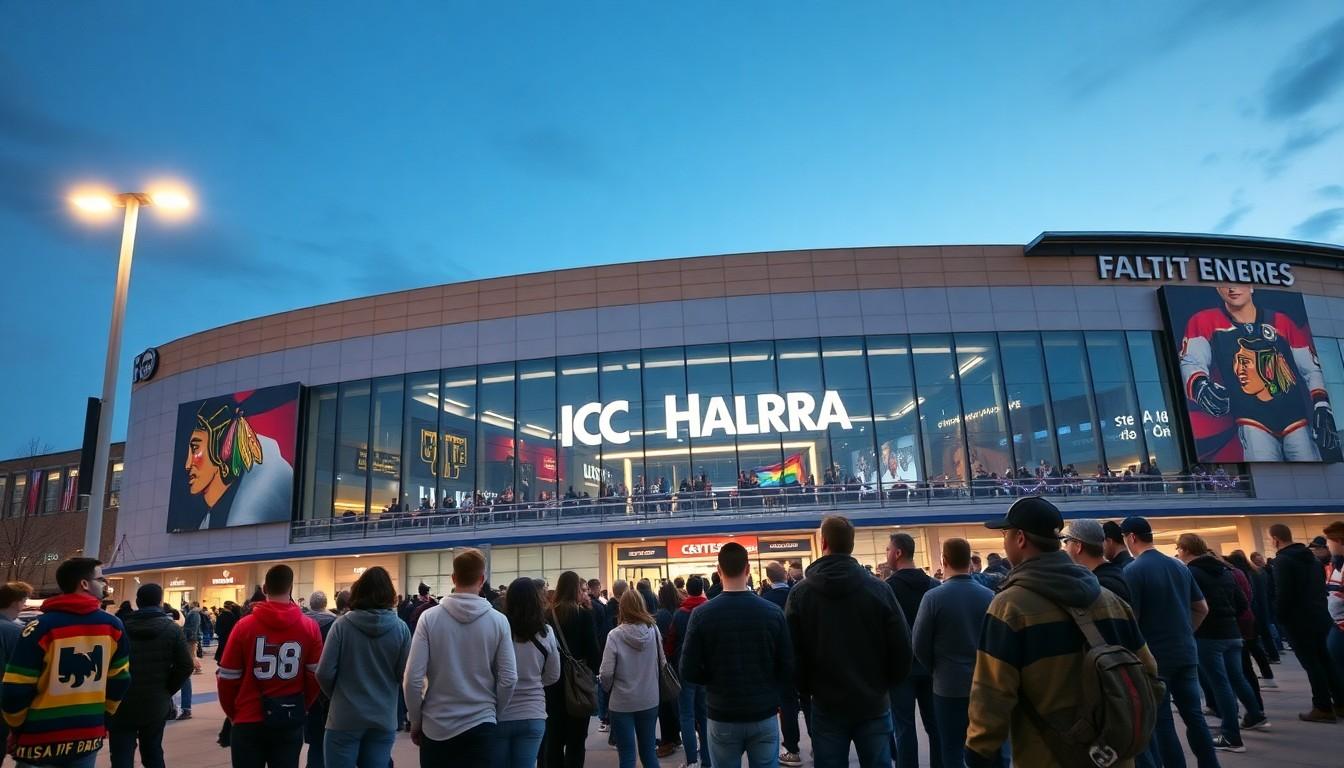
Fans are noticing a quieter approach to Pride Night across the NHL, as several clubs replace explicit LGBTQ+ celebrations with broader inclusion events. The shift matters because these fixtures offer more than colourful warm-ups: they signal whether hockey arenas feel welcoming, visible and safe for LGBTQ+ supporters.
Essential Takeaways
- Pride Night plans are changing: Some NHL teams have removed explicit Pride fixtures from their promotional calendars.
- Teamwear rules tightened: The league stopped players wearing themed warm-up jerseys after controversies involving Pride designs.
- Broader labels are appearing: Hockey Is For Everyone and similar nights can still support inclusion, but fans say they lack Pride Night's clarity.
- Visibility remains contested: Supporters see rainbow tape, jerseys and arena events as meaningful symbols rather than distractions.
- Schedules need careful reading: A general inclusion night isn't automatically the same as a dedicated LGBTQ+ celebration.
A familiar fixture is suddenly missing
For many hockey fans, Pride Night was a bright, unmistakable moment in a sport that can still feel stubbornly traditional. Rainbow details appeared around the rink, supporters wore flags in the stands and teams used the occasion to make LGBTQ+ inclusion visible rather than quietly assumed.
That visibility is becoming less consistent. Several clubs have moved away from explicitly named Pride Nights, while others have folded inclusion into broader promotional themes. The result is a calendar that may look welcoming at first glance, yet feels noticeably less direct to fans searching for a dedicated LGBTQ+ event.
The change follows a wider league debate over themed warm-up jerseys and equipment. CBS Sports reported that the NHL eliminated themed warm-up jerseys after player refusals created controversy during the 2022-23 season, with league officials framing the decision as a way to avoid distractions. For supporters, though, the symbolism was the point. [2], [5]
Why the jersey row changed the mood
The dispute wasn't simply about fabric and branding. Players declining Pride-themed jerseys turned a previously coordinated gesture into a public argument about personal choice, team policy and the league's responsibilities to its supporters.
In response, the NHL moved towards a blanket approach rather than asking individual players to make a visible decision on a particular night. Metro Weekly reported that teams would no longer wear Pride speciality sweaters, while HockeyFeed described the policy as part of a broader retreat from themed warm-up designs. [3], [4]
That may have reduced awkward scenes in the dressing room, but it also removed one of the most immediate visual signs of support. A rainbow sweater is impossible to miss; a general statement about inclusion can disappear into the background, especially in a crowded season packed with promotions.
Is "Hockey Is For Everyone" enough?
The league's Hockey Is For Everyone messaging still matters. It presents inclusion as a core value rather than a once-a-year campaign, and some teams continue to use the branding for events linked to LGBTQ+ support.
But language shapes expectations. A dedicated Pride Night tells fans exactly who is being recognised and why the event exists. A broader title can be welcoming, yet it may also leave supporters wondering whether LGBTQ+ people remain the focus or have been placed inside a much larger, less specific category.
There are practical reasons for clubs to broaden their calendars. Teams want flexibility, sponsors prefer adaptable campaigns and players may be more comfortable with universal themes. Still, Boston.com reported that the league's move came after player refusals and concerns about distractions, a rationale that many fans found unconvincing when inclusion itself was what they wanted to see. [5]
What fans should look for on the calendar
The easiest way to understand a club's position is to look beyond the word "Pride". Check whether the schedule includes Hockey Is For Everyone, LGBTQ+ community partnerships, fundraising, arena programming or a visible supporter event.
It's also worth separating a promotional night from a team's wider community work. A club might not list a formal Pride fixture but still support local organisations, host educational sessions or feature LGBTQ+ players, staff and fans throughout the season. Conversely, a colourful social media post doesn't necessarily mean there will be meaningful activity at the rink.
Equipment policy has shifted, too. CBS News reported on updated guidance around themed nights and Pride tape, while Axios later reported that the NHL lifted its ban on Pride tape. That reversal suggests the debate is still moving, rather than settled once and for all. [6], [7]
A less certain welcome for LGBTQ+ supporters
The most frustrating part for fans is the uncertainty. Supporters aren't only asking whether a team uses rainbow graphics; they're asking whether the organisation is prepared to be clear when inclusion becomes politically uncomfortable.
A dedicated Pride Night won't solve every problem in hockey, and it shouldn't be treated as proof that a club has completed its work. But it can offer a simple, powerful message: LGBTQ+ supporters are seen, invited and part of the crowd. Removing that moment without replacing it with something equally specific risks making the arena feel a little colder.
The outlook is likely to remain uneven. Some teams will keep explicit Pride programming, others will favour wider inclusion branding and league policy may continue to evolve as public pressure grows. For fans, the meaningful test won't be the name alone, but whether the welcome feels real once the music stops and the game begins.
Dedicated Pride Nights may be changing, but visibility still matters in every hockey arena.
Source Reference Map
Story idea inspired by: [1]
Sources by paragraph: