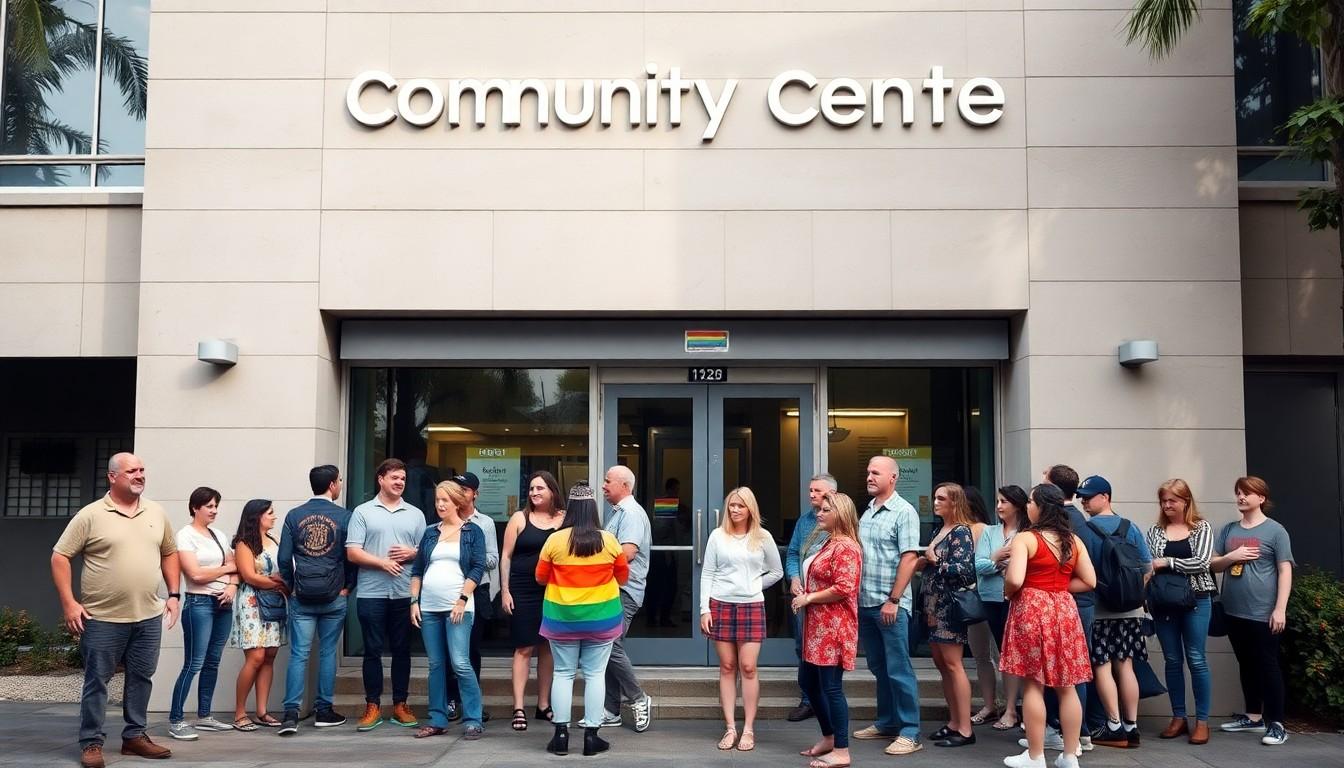
Shoppers aren't the only ones tracking seasonal moments: LGBTQIA+ communities are increasingly using visibility weeks to celebrate distinct identities, challenge erasure and find practical support. From Bisexual Visibility Month to Lesbian Visibility Week, these campaigns offer focused space alongside the broader unity of Pride.
Essential Takeaways
- Pride and visibility work together: Pride highlights shared strength, while identity-specific campaigns make particular experiences easier to see.
- Search interest is growing: Online attention around bisexual, transgender and lesbian visibility has risen at different times and for different reasons.
- Young Australians are more likely to identify as LGBTQI+: ABS estimates put the figure at 9.5 per cent among 16 to 24-year-olds.
- Visibility isn't the finish line: Awareness can open doors, but it doesn't replace healthcare, legal reform or safety measures.
- Small gestures still count: Sharing resources, attending an event or buying a thoughtful gift can turn recognition into connection.
Pride is broad, but visibility weeks get specific
Pride Month is the big communal gathering, bright flags and all. It creates a powerful sense of "we", particularly when LGBTQIA+ people face discrimination, political attacks or renewed attempts to push them out of public life.
But a single umbrella can sometimes hide the detail underneath. Bisexual people face erasure, trans communities are targeted in distinct ways, and lesbian spaces and services have their own history of being overlooked. Awareness weeks give those stories room to breathe rather than asking every group to squeeze its experience into one broad narrative.
That's why these campaigns aren't competing with Pride. They're more like a close-up lens: less sweeping, but often clearer.
Bisexual Visibility Month puts a name to an overlooked experience
Bisexual Visibility Month includes Bisexual Awareness Week, held from 16 to 23 September, and Bi Visibility Day on 23 September. The timing creates a useful rhythm, moving from a month-long conversation to a concentrated week and then a single day of recognition.
Bisexuality is often treated as a halfway point, a phase or a source of confusion. That lazy framing can be exhausting, especially when bisexual people encounter doubt both outside and inside LGBTQIA+ communities. A dedicated campaign pushes back with a simple message: bisexual identities don't need to be made easier for other people to understand.
The celebration can be serious and playful at once. A flag, a social post, a community event or even a cheeky request for presents from supportive friends can all say the same thing: this identity is real, visible and worth celebrating.
Online interest shows a wider appetite for LGBTQIA+ language
Google search patterns in Australia suggest that awareness campaigns have become much more familiar to the public. Bisexual Awareness Week gained notable attention after its creation in 2014, while searches for Transgender Awareness Week saw major increases from 2020 onwards.
Those peaks need careful reading. Search data can't reveal whether someone is looking for support, education, celebration or ammunition. Even so, repeated spikes show that these terms have entered mainstream conversation, whether through community organising, social media or political coverage.
Lesbian Visibility Week has followed a newer, sharper trajectory. The campaign's modern revival gained momentum in the early 2020s, with Australian interest rising considerably in later years. Organisations including Lesbian Visibility and community groups across Australia now provide event information and educational resources, making the week easier to find and join.
Australia's changing identity landscape adds context
The Australian Bureau of Statistics estimated that 4.5 per cent of people aged 16 and over identify as LGBTQI+. Among 16 to 24-year-olds, the estimate rises to 9.5 per cent, suggesting that younger Australians are more likely to use language that reflects sexuality and gender diversity.
That doesn't mean visibility campaigns alone caused the change. Better language, online communities and greater willingness to self-identify all play a part. For someone who has never encountered a bisexual, trans or lesbian community in person, the internet may be the first place they find a label, a history lesson or a reassuring "you're not the only one".
The effect can be surprisingly human. A search that starts with a definition might end with a local event, a support service or a new sense of belonging.
Awareness is useful, but it can't do everything
Visibility has limits. A themed week can't fund specialist healthcare, change discriminatory legislation or guarantee safety for people facing violence and harassment. Nor should a colourful logo be mistaken for meaningful support.
Still, awareness can be an important first step. It can interrupt stereotypes, direct people towards services and encourage workplaces, schools and public institutions to learn something beyond the broadest rainbow branding. The best campaigns pair celebration with clear information and practical action.
For allies, that might mean checking the language they use, attending a community event, donating to a relevant organisation or listening without turning the conversation into a debate. For LGBTQIA+ people, it might simply mean enjoying a moment of recognition without having to explain everything.
The strongest future is both united and distinct
The popularity of identity-specific awareness weeks reflects a sensible shift in how people understand community. Shared solidarity matters, but so does the freedom to talk about experiences that aren't identical.
Bisexual Visibility Month, Lesbian Visibility Week and Transgender Awareness Week each offer a different doorway into LGBTQIA+ life. Together, they create a fuller picture than any single calendar moment could manage.
So celebrate the large, noisy Pride gathering and the smaller, more focused campaign. Both have a place, and both can make the room feel a little less lonely.
A visible identity isn't the whole solution, but it can be the beginning of finding one.
Source Reference Map
Story idea inspired by: [1]
Sources by paragraph:
- Paragraph 1: [3], [4]
- Paragraph 2: [2], [6]
- Paragraph 3: [3], [5]
- Paragraph 4: [4], [7]
- Paragraph 5: [3], [6]
- Paragraph 6: [2], [3]
- Paragraph 7: [4], [5]
- Paragraph 8: [2], [6]
- Paragraph 9: [3], [5]
- Paragraph 10: [2], [4]
- Paragraph 11: [3], [6]
- Paragraph 12: [4], [7]
- Paragraph 13: [2], [3]
- Paragraph 14: [5], [6]