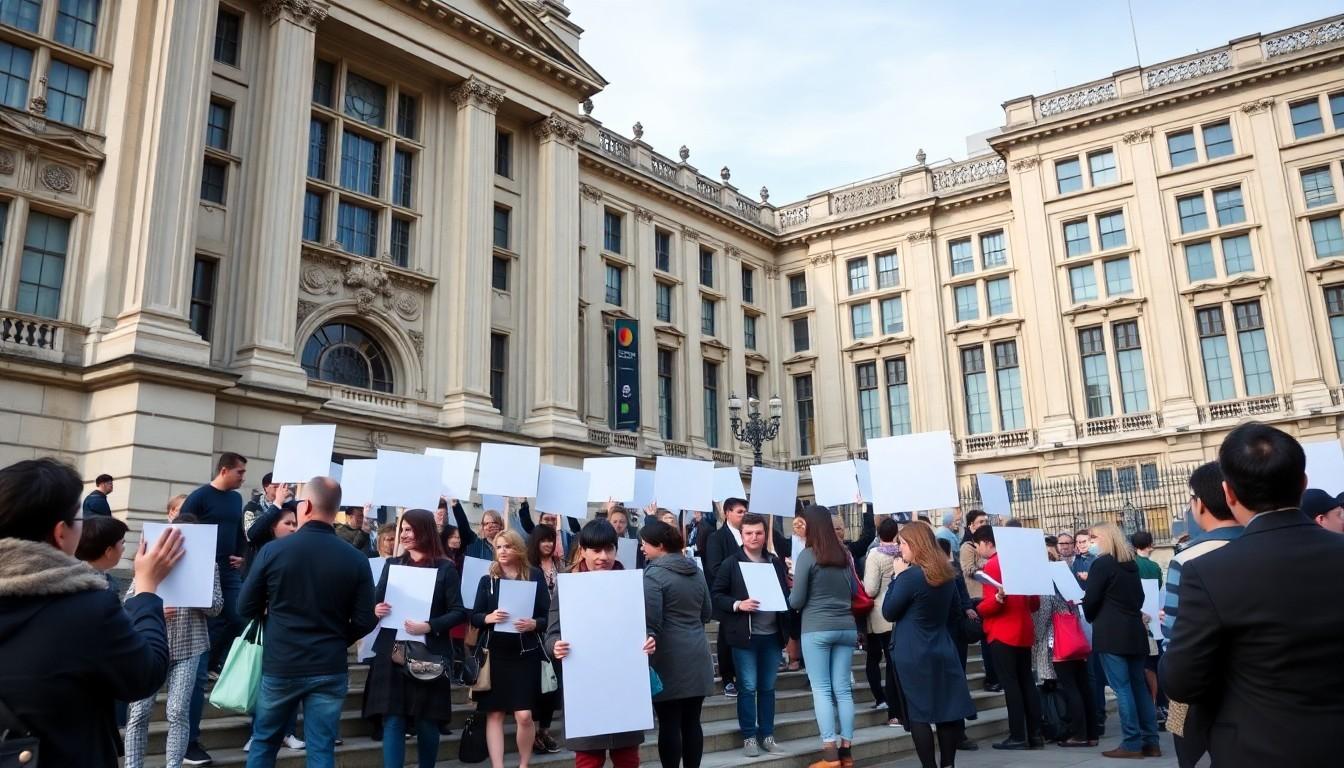
Campaigners and allies are preparing to gather at Westminster on 9 September, calling on MPs to reject controversial EHRC guidance on single-sex spaces. The mass lobby matters because it turns growing concern about toilets, changing rooms, sport and services into direct conversations between constituents and Parliament.
Essential Takeaways
- Westminster gathering: Nearly 1,000 trans people and allies are expected to attend the mass lobby.
- The central demand: Campaigners want MPs to scrap the Equality and Human Rights Commission's revised guidance.
- What the guidance says: Single-sex spaces are framed around biological sex, with possible exclusions from some services and organisations.
- Political pressure is growing: More than 160 MPs have signed a motion opposing the guidance.
- This is a lobby, not a march: Attendees meet MPs inside Parliament and ask them to take action.
A mass lobby is bringing the issue into Parliament
Westminster is set to become a meeting point for one of the UK's most closely watched equality disputes. Nearly 1,000 people are expected to attend the event, where trans people and allies will speak directly with MPs about the practical impact of the EHRC's revised guidance. According to campaign information, the gathering will take place in Westminster Hall on 9 September.
The format is deliberately direct. Rather than marching past Parliament, constituents enter as visitors and ask their representatives to discuss the issue with them. It may sound less dramatic than a street protest, but a face-to-face conversation can leave MPs with something harder to ignore than a distant headline.
Why the EHRC guidance has caused alarm
The revised code, brought into effect on 5 August, says single-sex spaces such as toilets and changing rooms should be organised according to biological sex. It also indicates that refusing a trans person entry to a single-sex association or sporting organisation could be lawful in some circumstances, while sport remains subject to considerations including safety and fair competition.
The Equality and Human Rights Commission has presented the material as guidance for organisations dealing with single-sex services and policies. However, campaigners argue that it creates confusion rather than clarity, particularly for schools, universities, employers, clubs and public-facing services. The EHRC's own regulatory work has also focused attention on how organisations interpret single-sex policies.
For trans people, the concern isn't only about the wording on a page. It's about the quiet, everyday uncertainty of walking into a changing room, joining a club or using a public service and wondering whether someone may challenge their right to be there.
More than 160 MPs have already spoken out
The campaign has political backing. More than 160 MPs have signed a motion brought forward by Nadia Whittome calling for the guidance to be stopped, giving the lobby a clear parliamentary target as well as a public one.
That support matters because the guidance reaches beyond Westminster politics. Higher education institutions, employers and community organisations are having to consider how single-sex rules affect their own policies, facilities and legal responsibilities. Times Higher Education has highlighted the potential significance for universities, where practical decisions can quickly affect thousands of students and staff.
Meanwhile, LGBTQIA+ organisations say the government has left institutions navigating a legal minefield. Trans+ Solidarity Alliance has described the guidance as unworkable, while other commentary has raised concerns about how broadly organisations might apply it. The result is a debate that's both intensely personal and uncomfortably administrative.
What makes this different from a traditional protest?
A mass lobby works through constituency pressure. People come to Parliament together, but the key moment is the conversation with an MP: what the guidance means locally, how the representative understands it and whether they will support efforts to change it.
Trans+ Solidarity Alliance organised a similarly large gathering last year, which was described as the biggest LGBTQIA+ lobby in British political history. Organisers are hoping for an even stronger turnout this time, suggesting that the dispute hasn't faded despite hopes from some politicians that it might quietly disappear.
For anyone attending, preparation will be more useful than volume alone. Knowing your MP's position, explaining the effect on local services and asking for one specific action can make a short meeting sharper and more memorable.
The next stage will be watching what MPs do
The lobby won't settle the legal disagreement overnight. But it will test whether MPs who have expressed concern are prepared to turn that concern into sustained political pressure, particularly as organisations continue working out how to interpret the code.
Campaigners say trans people shouldn't be expected to retreat from public life while institutions work through the consequences. That message is likely to sit at the heart of the Westminster gathering: the argument isn't abstract when it follows people into ordinary places, from the gym changing room to the university campus.
The wider outlook will depend on whether ministers revisit the guidance, whether Parliament gives the issue further attention and how organisations respond in the meantime. For supporters, showing up is both a political tactic and a statement of presence.
It's a direct invitation to MPs: listen to your constituents, then act.
Source Reference Map
Story idea inspired by: [1]
Sources by paragraph:
- Paragraph 1: [2], [3]
- Paragraph 2: [2], [4]
- Paragraph 3: [3], [6]
- Paragraph 4: [4], [7]
- Paragraph 5: [5], [6]
- Paragraph 6: [3], [7]
- Paragraph 7: [2], [4]
- Paragraph 8: [2], [5]
- Paragraph 9: [2], [6]
- Paragraph 10: [5], [7]
- Paragraph 11: [2], [4]
- Paragraph 12: [3], [6]
- Paragraph 13: [5], [7]
- Paragraph 14: [2], [4]
- Paragraph 15: [3], [6]
- Paragraph 16: [5], [7]
- Paragraph 17: [2], [4]