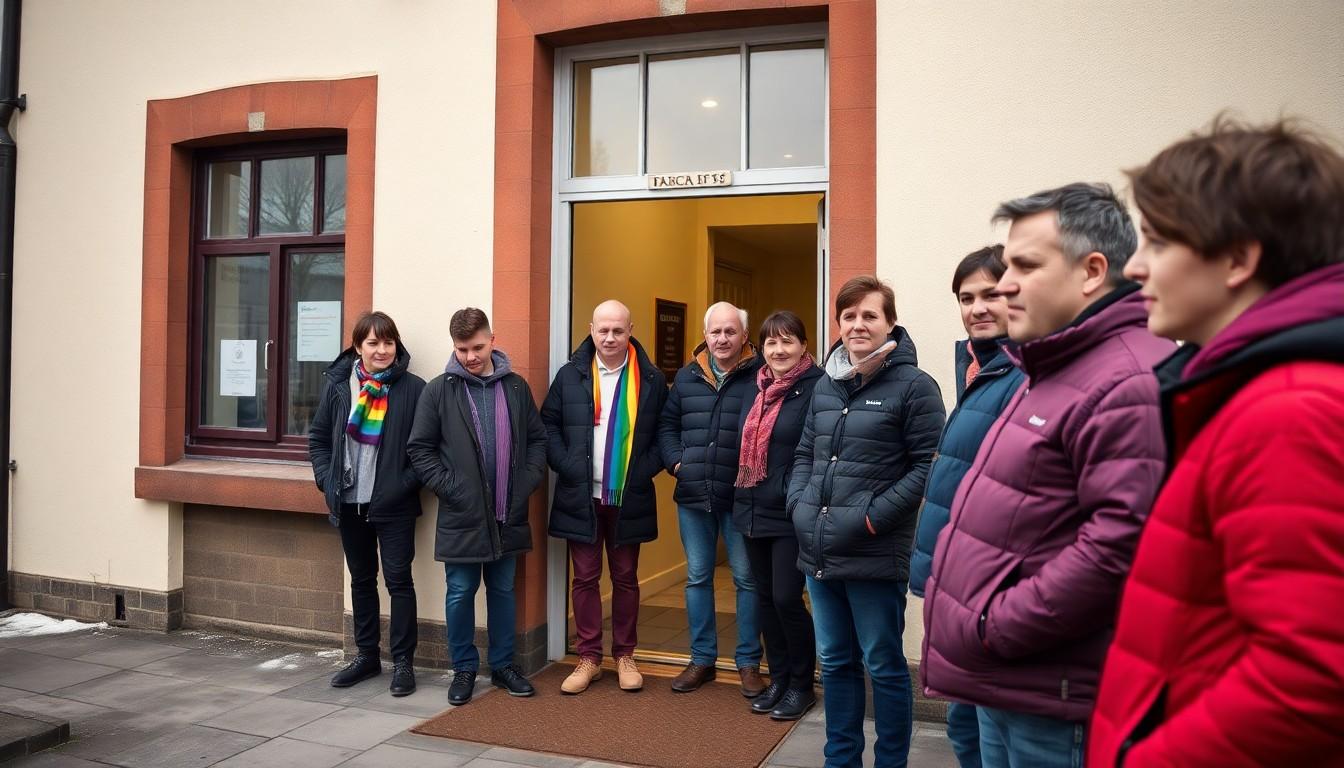
LGBTQ+ veterans across the North East are being encouraged to seek compensation before the redress scheme deadline, after campaigners identified hundreds of former service personnel who may still be eligible. The appeal matters because the historic ban caused lasting professional and personal harm, while support is available for people who find the process difficult.
Essential Takeaways
- Deadline approaching: Eligible veterans must apply by 12 December.
- Financial redress available: Payments can include up to £50,000 for discharge and £20,000 for documented impact.
- North East gap: Campaigners believe around 1,000 eligible veterans across Britain, including people in the North East, have yet to apply.
- Women urged to apply: Campaigners say female veterans remain under-represented among claims.
- Support exists: Government guidance and specialist charities can help applicants understand their options.
Thousands were pushed out of service
For LGBTQ+ personnel, military service could come with a devastating hidden cost. Before 2000, the armed forces enforced a ban on gay service members, with people subjected to interrogation, harassment and dismissal because of their sexuality.
The effects didn't end when the policy changed. Losing a career, military friendships and a sense of belonging could shape someone's finances, confidence and family life for years. Government information confirms that dedicated support is available for veterans affected by the historic ban.
The compensation scheme is therefore more than a payment. For many applicants, it represents an official acknowledgement that the treatment they experienced was wrong.
Why North East veterans are being singled out
Fighting With Pride has launched its Battle for Lost Veterans campaign to find people who may qualify but haven't yet come forward. The charity says the North East is one of several areas where the number of claims appears lower than expected, alongside Yorkshire, the South West and Scotland.
That doesn't necessarily mean people aren't aware of the scheme. Some may have moved, lost contact with former colleagues or simply decided that reopening painful memories isn't worth the emotional strain. Others might not realise that their experience falls within the scheme's eligibility rules.
The charity's work focuses specifically on LGBTQ+ members of the armed forces community, while broader organisations including Help for Heroes also support calls for justice and recognition.
What can the redress scheme pay?
The scheme includes a discharge payment of up to £50,000 for those whose service was ended because of the ban. Eligible applicants may also receive an impact payment of up to £20,000, depending on the effect the policy had on their life.
The Government set aside £75 million for the programme, with almost £20 million reportedly still undistributed. That remaining sum is a clear reminder that eligible people haven't all been reached yet, rather than a reason to assume the opportunity will remain open indefinitely.
Applications should be treated as time-sensitive. The stated deadline is 12 December, and anyone unsure about eligibility should seek advice rather than trying to work it out alone.
Women veterans remain less visible
Campaigners are particularly keen to hear from women who served under the ban. Evidence gathered through a judge-led inquiry found that 61% of participating women veterans reported mistreatment, yet women make up less than half of those who have applied so far.
That imbalance may reflect how difficult it is to revisit experiences that were private, humiliating or professionally damaging. It may also show how easily women's stories can disappear from a history that has often focused on male service members.
Valour, the Government's support platform for LGBTQ+ veterans, outlines routes to help, while Fighting With Pride offers specialist assistance. A former Royal Navy sailor who was dismissed in 1994 has also urged others not to face the process by themselves, describing recognition and reconnection with military life as meaningful parts of her recovery.
How to take the first step
Start by checking the official Government guidance on support for LGBTQ+ veterans, then contact a specialist organisation if the paperwork or memories feel overwhelming. Keep any service records, dismissal documents, correspondence or evidence of personal impact that may help, but don't assume you need a perfect file before asking for advice.
Fighting With Pride says it can help people understand whether they may be eligible and guide them through the process. Stonewall and Help for Heroes also campaign on the issue and provide routes towards information and support.
The most practical advice is simple: don't wait for certainty. A conversation with an experienced adviser can clarify what to do next, and it may spare applicants from navigating a difficult process in isolation.
The deadline is approaching, but for veterans who were once told they didn't belong, being heard now can still carry enormous weight.
Explore the available support soon, before the chance to claim closes.
Source Reference Map
Story idea inspired by: [1]
Sources by paragraph:
- Paragraph 1: [2], [3]
- Paragraph 2: [3], [5]
- Paragraph 3: [6], [7]
- Paragraph 4: [2], [4]
- Paragraph 5: [3], [5]
- Paragraph 6: [2], [4]
- Paragraph 7: [2], [3]
- Paragraph 8: [3], [5]
- Paragraph 9: [2], [6]
- Paragraph 10: [3], [4]
- Paragraph 11: [2], [7]
- Paragraph 12: [3], [5]
- Paragraph 13: [2], [4]
- Paragraph 14: [3], [6]
- Paragraph 15: [5], [7]
- Paragraph 16: [2], [3]
- Paragraph 17: [4], [6]