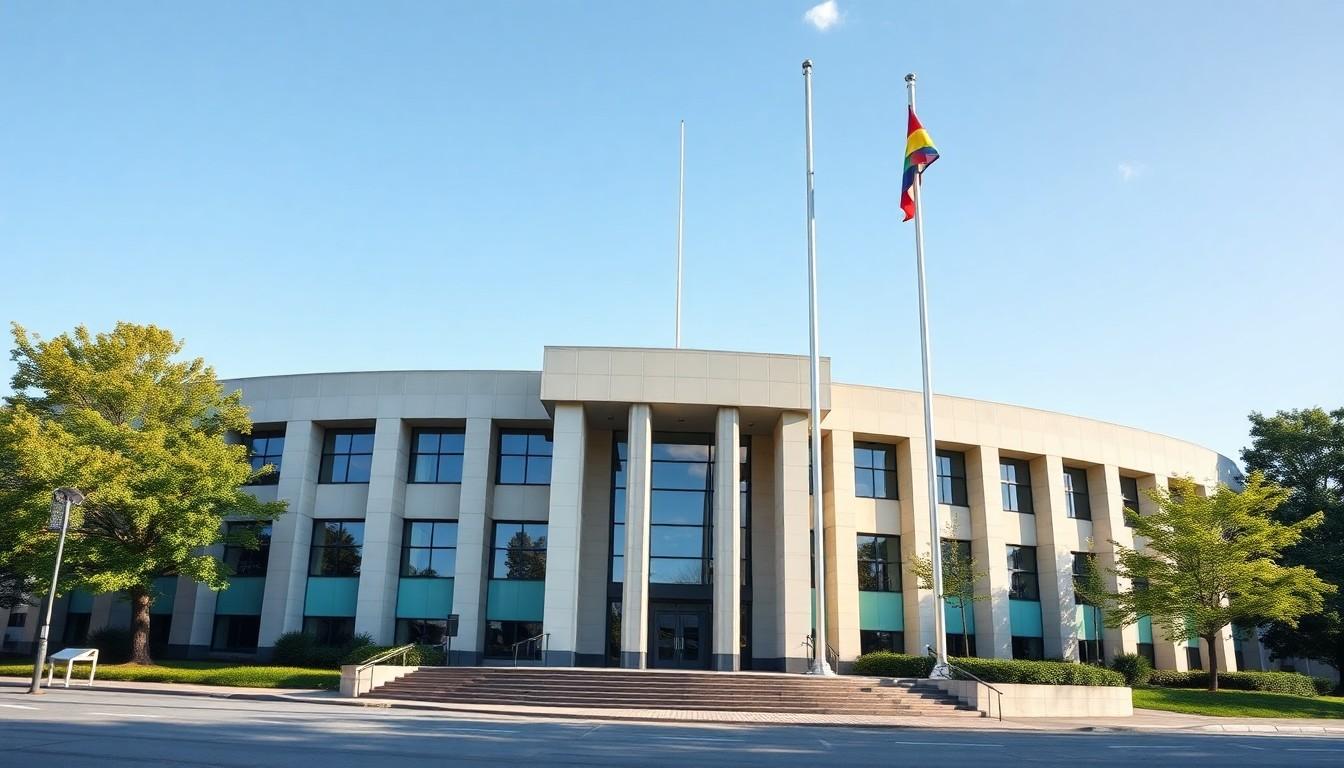
LGBT veterans affected by the UK armed forces ban have just 100 days left to seek financial redress, a formal apology and other support. With awards worth up to £70,000 available, campaigners are urging eligible former personnel across Britain, especially women and underrepresented regions, not to miss the deadline.
Essential Takeaways
- Final deadline: Eligible veterans have 100 days remaining to apply through the government scheme.
- Possible payments: Claims may include a £50,000 discharge payment and up to £20,000 for additional impact.
- Who is affected: The scheme covers personnel harmed by the armed forces ban, which lasted from 1967 to 2000.
- More people may qualify: Campaigners believe roughly 1,000 eligible veterans haven't yet come forward.
- How to apply: Applications can be made through the affected-by-the-ban section of GOV.UK.
A final push for veterans affected by the ban
The clock is ticking for former LGBT service personnel who were dismissed, investigated or bullied under the historic armed forces ban. The scheme offers financial recognition, but the emotional weight is harder to measure: many veterans were forced to hide an important part of themselves while serving their country.
According to the UK Government, eligible applicants may receive a £50,000 discharge payment, alongside impact payments of up to £20,000. A written apology and other forms of redress are also available, making this more than a straightforward compensation process.
The deadline matters because applications must be made before the scheme closes. For veterans who have spent decades living with the consequences, the paperwork may feel daunting, but support is available. [2], [5]
What happened under the historic armed forces ban?
The ban affected gay, lesbian and bisexual personnel in the Army, Royal Navy and Royal Air Force from 1967 until 2000. During that period, people could face intrusive questioning, surveillance, harassment and discharge simply because of their sexuality.
The impact often continued long after someone left the forces. Losing a career, pension prospects or professional reputation can leave a deep mark, while the experience of being investigated by colleagues can be especially difficult to revisit.
The Royal British Legion says restorative measures are intended to recognise the damage caused and help affected veterans understand the support available. It’s a reminder that service history can look very different when viewed through the reality of discrimination. [4], [5]
Why campaigners are worried about missed claims
More than 1,500 people have applied, but Fighting With Pride believes around 1,000 eligible veterans still haven't come forward. The charity has highlighted lower-than-expected applications in the North East of England, Yorkshire, the South West and Scotland.
It’s also calling for more women veterans to apply. That matters because public discussion of the historic ban has often focused on men, even though women in uniform were affected too and may have faced their own forms of scrutiny, exclusion and career damage.
Regional gaps can happen for ordinary reasons. People may not know they qualify, may feel uneasy about sharing their history, or may assume the scheme is only for those who were formally dismissed. A quiet conversation with a specialist charity could be the first useful step. [3], [7]
How to check eligibility and make a claim
The most direct starting point is the affected-by-the-ban page on GOV.UK, which explains the application route and the evidence that may be needed. Veterans don't have to work everything out alone, and organisations including the Royal British Legion and Fighting With Pride can offer guidance.
The scheme is designed to recognise different forms of harm, so applicants should consider the full effect of what happened. That could include the circumstances of discharge, the impact on a career, mental health, relationships or later financial security.
It’s sensible to gather service records and relevant correspondence if they're available, but missing documents shouldn't automatically stop someone from seeking advice. Legal and welfare organisations can explain what alternatives may exist and how the process works. [4], [5], [6]
Recognition is about more than the money
The potential payments are significant, particularly for veterans who lost years of service or future opportunities. But the offer of a formal written apology carries a different kind of importance, acknowledging that the institution itself caused harm.
Defence Secretary Wes Streeting said no one should have been persecuted or forced to conceal who they were, and urged eligible veterans to apply before the deadline. His appeal also asks serving personnel and LGBT+ communities to help spread the word.
A claim won't undo what happened, but recognition can still matter. For some veterans, being believed and formally acknowledged may be as meaningful as the payment itself. [2], [3]
The deadline is close, but help is available
With only 100 days remaining, veterans who think they may qualify should check the official guidance soon rather than leaving the decision until the final weeks. Family members, friends and former colleagues can also help by passing the information on discreetly and respectfully.
The government’s LGBT veterans support collection brings together application details and further help, while charities can provide a more personal route through what may be a sensitive process. Sometimes the hardest part is simply realising that the scheme is meant for you. [5], [6]
It's a small window for recognition, so eligible veterans should explore their options before the deadline closes.
Source Reference Map
Story idea inspired by: [1]
Sources by paragraph: