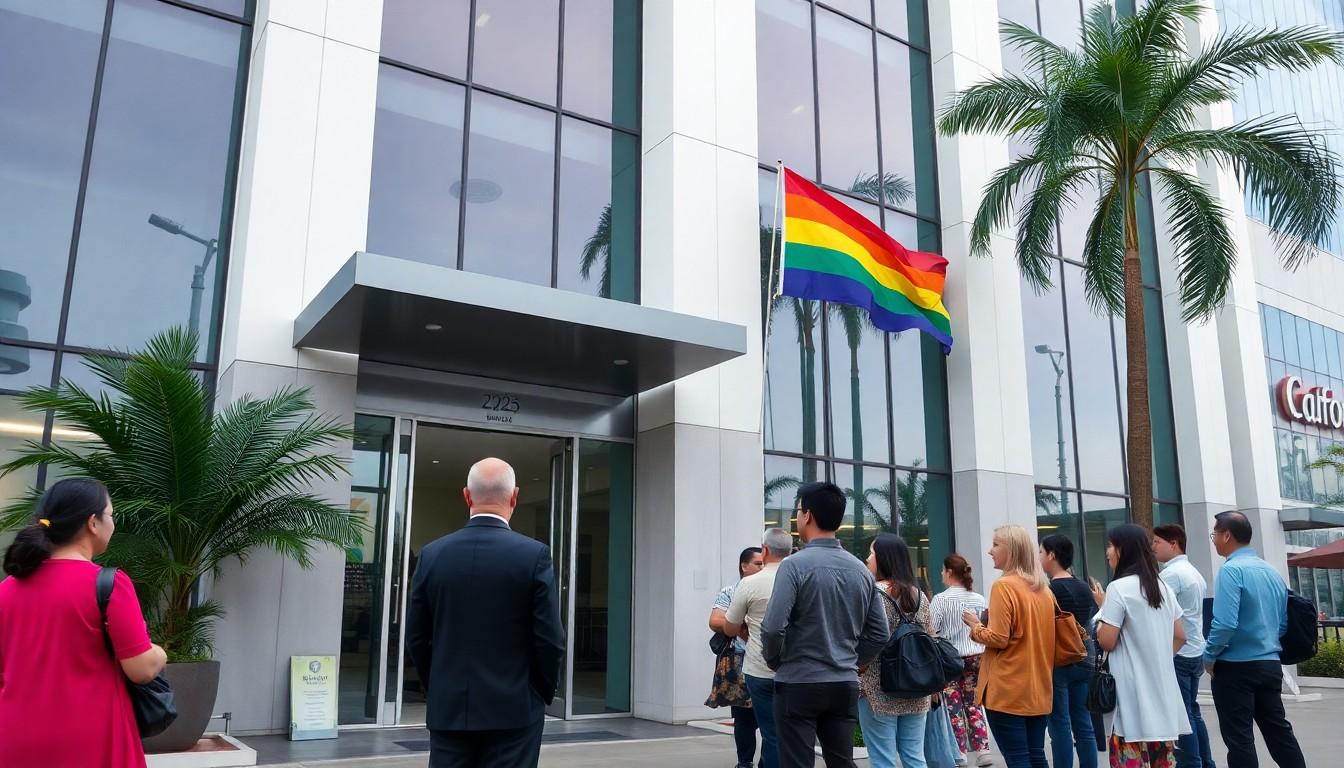
LGBTQ+ people in Indonesia are facing rising threats as raids, harassment and vigilante violence collide with a national defence policy describing the “spread of LGBTQ culture” as a non-military danger. Rights groups say the wording could legitimise discrimination, while existing regional laws and morality regulations already leave many people vulnerable.
Essential Takeaways
- A new national policy: Indonesia’s 2025-2029 defence framework lists the “spread of LGBTQ culture” among non-military threats.
- Violence is being reported: Arus Pelangi and the Kami Berani Coalition recorded 23 cases affecting 201 LGBTQ+ people in just three weeks.
- Legal protection is uneven: Same-sex relationships aren’t banned nationwide, but broad morality laws and regional regulations can still be used against LGBTQ+ people.
- Aceh is especially severe: Local Sharia rules allow punishments including public caning, fines and imprisonment for consensual same-sex activity.
- Activists want action: ILGA Asia is calling for the policy wording to be removed and for attacks, harassment and doxxing to be properly investigated.
Why the new defence language has alarmed rights groups
The sharpest concern centres on Presidential Regulation No. 111/2025, Indonesia’s general national defence policy for 2025-2029. The document includes the “spread of LGBTQ culture” in a list of non-military threats, placing identity and expression in a security context rather than treating them as ordinary matters of private life.
That distinction may sound technical, but its consequences could be very real. ILGA Asia says the wording could make surveillance, exclusion and intervention easier to justify, particularly when LGBTQ+ people already report raids, intimidation and online targeting.
Indonesian authorities have rejected the claim that the regulation directly targets LGBTQ+ people. Supporters of the policy, including the Indonesian Mosque Youth Communication Forum, have described it as a strategic response to perceived cultural threats, according to Indonesian media reports. Critics counter that separating “LGBTQ culture” from LGBTQ+ people and their communities is almost impossible in practice.
Indonesia’s patchwork of laws leaves people exposed
Indonesia doesn’t have a nationwide law expressly banning consensual same-sex relationships. That can create the impression of a relatively permissive legal environment, but the reality is far less reassuring.
Broad morality, pornography and public-order provisions can still be used against LGBTQ+ people, while discriminatory local rules remain in force in several areas. Legal analyses of Indonesia’s rights framework note that protections vary sharply by region, leaving people’s safety dependent on where they live and how local authorities interpret the law.
Aceh presents the most severe example. Under its local Sharia system, consensual same-sex activity can result in public caning, fines or imprisonment. For LGBTQ+ people elsewhere, raids on private events, university discrimination and harassment by officials or vigilantes can create a similarly chilling effect, even without a national ban.
Hundreds affected as attacks and raids intensify
Recent monitoring suggests the reported problem is expanding quickly. Arus Pelangi and the Kami Berani Coalition documented 23 incidents affecting 201 LGBTQ+ people between 16 July and 5 August 2026. Those cases included mob attacks on trans women, raids on private gatherings and online campaigns encouraging users to identify people perceived to be queer or gender-diverse.
The figures follow 94 cases of violence involving 141 victims across 2024 and 2025. Human rights organisations warn that these numbers may represent only the visible edge of the problem, because victims can fear further exposure, retaliation or indifference from the authorities.
Doxxing adds another layer of danger. A private photograph, name or address can quickly become a public invitation to harassment, turning a phone or social media account into a source of constant anxiety. It’s a grim reminder that discrimination today doesn’t stop at the front door.
Policy changes are spreading beyond national defence
The defence document hasn’t appeared in isolation. Indonesia’s Ministry of Religious Affairs has begun developing educational material aimed at preventing what it calls the “spread of LGBTQ culture” through religious education, counselling and public outreach.
The Indonesian Ulema Council has also been working on proposals that could seek wider criminal penalties connected with same-sex behaviour and LGBTQ+ advocacy. Indonesian reports have presented these moves as part of a broader effort to protect national values, while rights groups see them as signs of institutional pressure building across several parts of government.
That wider pattern matters. A single controversial phrase might be challenged or revised, but similar messaging in defence, education and religious policy can make exclusion feel normal, official and increasingly difficult to resist.
What rights groups are asking Indonesia to do next
ILGA Asia is calling on the Indonesian Government to remove the reference to “LGBTQ culture” from the defence policy and review laws and regulations that enable discrimination. It also wants authorities to investigate vigilante attacks, harassment and violence against LGBTQ+ people and human rights defenders.
The organisation is urging the Government and Parliament to reject any proposal that would criminalise consensual same-sex relationships or LGBTQ+ human rights advocacy. That would be an important safeguard for both queer communities and the activists, healthcare workers and organisations supporting them.
For Indonesia’s LGBTQ+ communities, the immediate issue is not simply what a policy document says on paper. It’s whether official language emboldens people who already believe they can act with impunity. As one rights campaigner’s warning makes clear, when a state places LGBTQ+ identity within a national security framework, the line between rhetoric and real-world harm can become dangerously thin.
Small wording changes can have very large consequences for people’s safety.
Source Reference Map
Story idea inspired by: [1]
Sources by paragraph:
- Paragraph 1: [2], [4]
- Paragraph 2: [3], [5]
- Paragraph 3: [6], [7]
- Paragraph 4: [4], [2]
- Paragraph 5: [3], [6]
- Paragraph 6: [4], [7]
- Paragraph 7: [2], [5]
- Paragraph 8: [3], [6]
- Paragraph 9: [2], [4]
- Paragraph 10: [5], [7]
- Paragraph 11: [3], [4]
- Paragraph 12: [2], [6]
- Paragraph 13: [3], [5]
- Paragraph 14: [4], [7]