Viewers are discovering The Restoration at Greyson Manor, a wildly theatrical queer horror film starring Chris Colfer and Alice Krige. Set inside a crumbling mansion, it mixes family pressure, camp melodrama and body horror into a strange, stylish story about inheritance, identity and the cost of being controlled.
Essential Takeaways
- A striking cast: Chris Colfer plays spoiled heir Boyd Greyson, opposite Alice Krige as his domineering mother, Jacqueline.
- A gloriously strange premise: A disastrous encounter leaves Boyd without his hands, prompting an experimental medical solution.
- Queer Gothic atmosphere: The film uses a decaying manor, family secrets and heightened performances to create its eerie world.
- Camp meets horror: Expect melodrama, dark humour and deliberately outrageous turns rather than restrained realism.
- A festival-friendly curiosity: Coverage from genre publications presents it as an unusual blend of horror, comedy and queer storytelling.
Chris Colfer trades Glee for Gothic horror
Chris Colfer's return to the screen is the immediate draw. Best known to many viewers for playing Kurt Hummel in Glee, he takes on a very different kind of performance here, adopting a polished accent and playing Boyd as a vain, isolated heir with an appetite for attention.
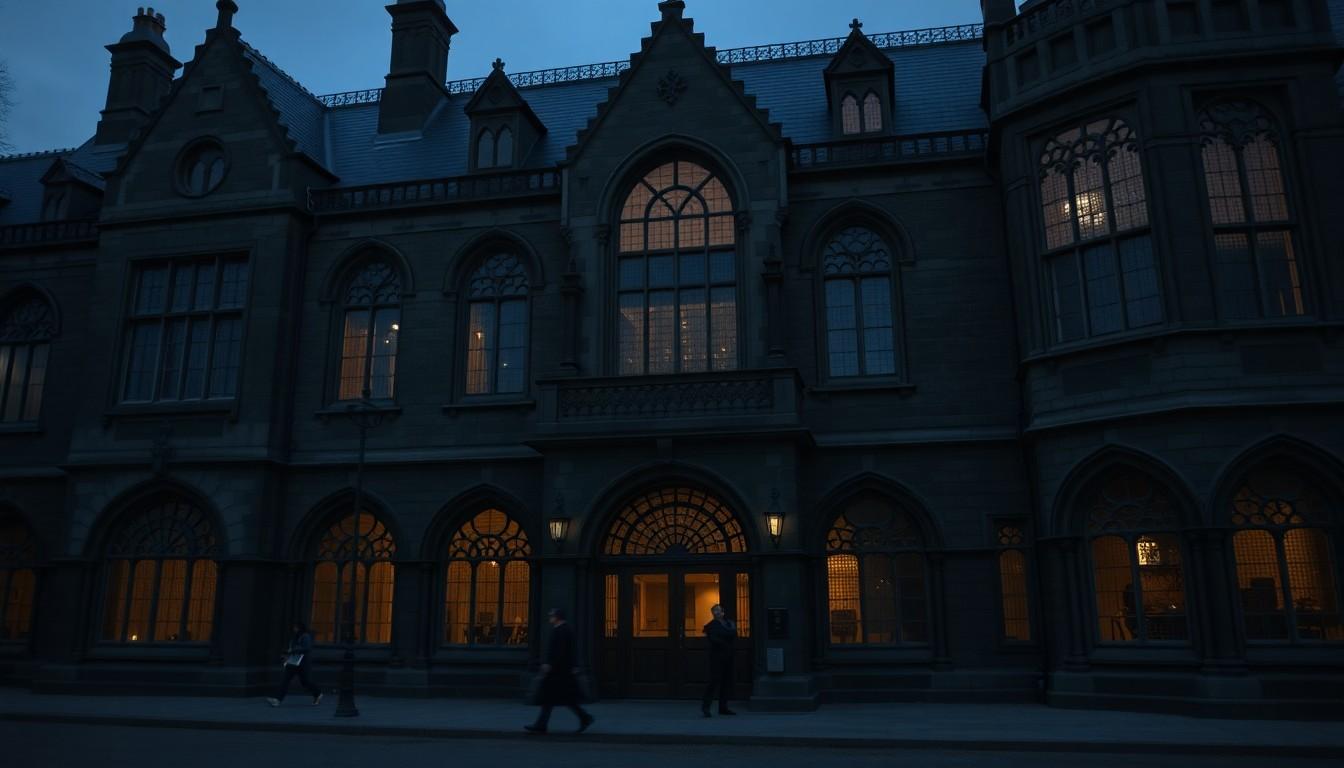
The setting does plenty of the heavy lifting. Greyson Manor is less a home than a theatrical pressure cooker, filled with decaying grandeur, family expectations and enough gothic atmosphere to make every argument feel one slammed door away from disaster. Dread Central's review describes the film as a queer melodrama with a playful, haunting edge, which neatly captures its deliberately oversized personality.
A family legacy becomes a horror story
Boyd's mother, Jacqueline, isn't presented as a conventional moral crusader. Her objection to his sexuality is tied instead to lineage and inheritance, because she wants a biological heir to preserve the Greyson name. That makes the family conflict especially chilly: Boyd's private life is treated as an administrative problem.
The tension sharpens because Boyd remains at the manor, where he can enjoy the wealth and use the grand surroundings to impress the men he brings home. It's a funny contradiction, but also a sad one. The house protects him from ordinary life while keeping him trapped inside his mother's expectations.
The film's outrageous body-horror hook
The plot takes a spectacularly macabre turn after a hook-up, an argument and a broken mirror leave Boyd bedridden and without either hand. It's the kind of development that tells you exactly what sort of film this is: heightened, lurid and entirely uninterested in behaving sensibly.
Jacqueline's response is revealing. Rather than focusing solely on her son's wellbeing, she researches an experimental procedure based on "subconscious mind prosthetic connectivity". Fangoria's trailer coverage highlights the film's strange medical premise and gothic presentation, suggesting that the horror comes as much from the family's emotional machinery as from the physical transformation.
Why queer horror is embracing camp again
The Restoration at Greyson Manor sits comfortably in a wider horror tradition where queer identity, family control and theatrical excess overlap. Its tone appears closer to a feverish melodrama than a sombre social-realist drama, giving the story room for jokes, flamboyant performances and unsettling images.
That balance can be powerful. Camp makes the absurdity visible, while the horror keeps the underlying pressure from feeling harmless. Boyd's predicament is ridiculous on the surface, yet the question beneath it is painfully recognisable: what happens when a family values its name more than the person carrying it?
Should you add it to your watchlist?
If you prefer quiet, naturalistic horror, this probably won't be the right fit. But viewers looking for a queer Gothic horror film with extravagant performances, a crumbling mansion and a premise that gets stranger by the minute may find plenty to enjoy.
The film has also attracted attention from genre outlets and festival coverage, while ScreenAnarchy reported on the North American rights deal. That suggests the film is moving beyond its initial curiosity value and towards a wider audience. Sometimes the most memorable horror films are the ones that leave you thinking, "What on earth did I just watch?" This looks like one of them.
It's a lavishly odd reminder that family pressure can be frightening long before the supernatural arrives.
Source Reference Map
Story idea inspired by: [1]
Sources by paragraph:
- Paragraph 1: [2], [5]
- Paragraph 2: [4], [5]
- Paragraph 3: [3], [6]
- Paragraph 4: [4], [5]
- Paragraph 5: [6], [7]
- Paragraph 6: [5], [7]
- Paragraph 7: [4], [6]
- Paragraph 8: [3], [5]
- Paragraph 9: [6], [7]
- Paragraph 10: [5], [7]
- Paragraph 11: [4], [7]
- Paragraph 12: [5], [7]
- Paragraph 13: [3], [6]
- Paragraph 14: [5], [7]
- Paragraph 15: [6], [7]
- Paragraph 16: [5], [7]