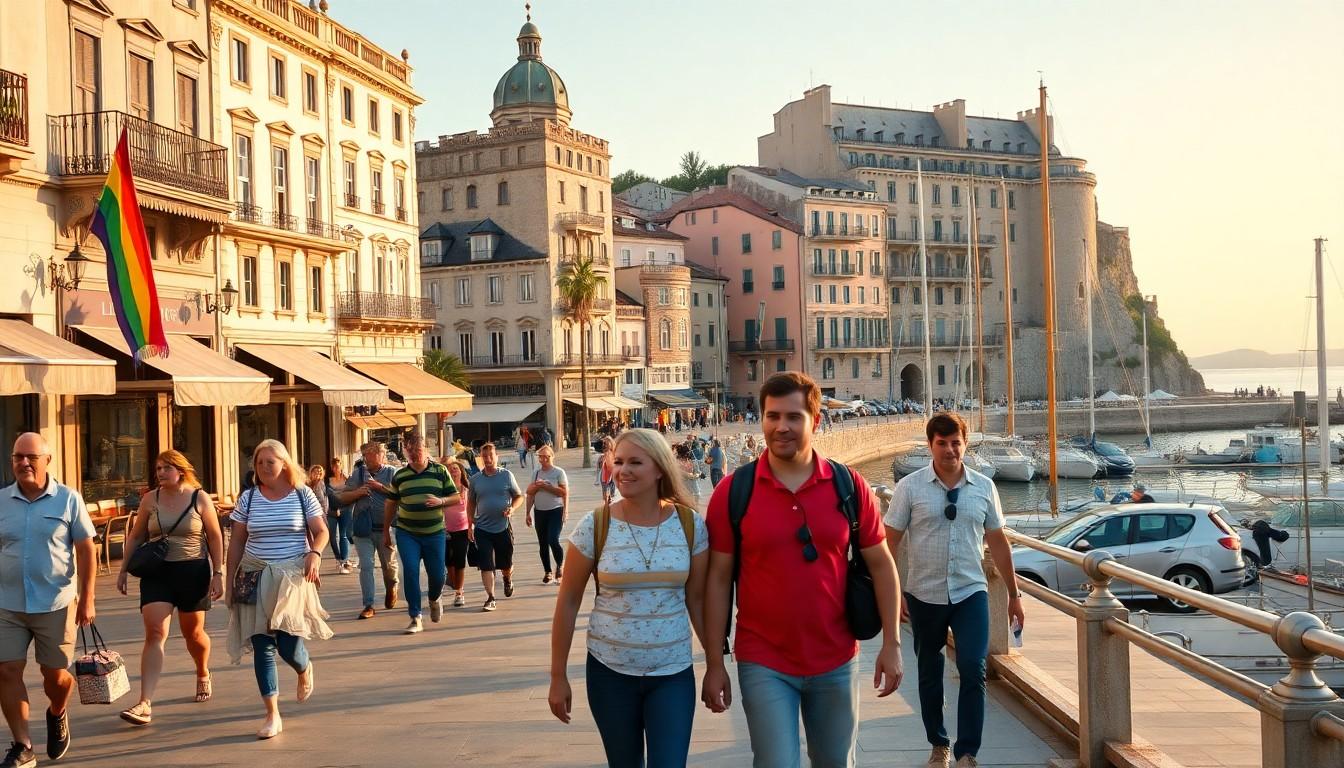
Travellers are looking beyond beaches and nightlife when choosing LGBTQ+ friendly travel destinations, weighing legal protections, local attitudes and practical safety. New research suggests many LGBTQ+ people now conceal their identity abroad, making careful planning essential. From Malta and Iceland to Pride-packed European cities, the right destination can bring back the freedom a holiday should offer.
Essential Takeaways
- Safety shapes bookings: Many LGBTQ+ travellers take extra precautions or hide their identity while abroad.
- Strong choices include: Malta, Iceland, Spain, Portugal, Canada, Chile, Uruguay, New Zealand and Germany rank among welcoming destinations.
- Cities can make the difference: Local LGBTQ+ guides, inclusive hotels and established communities offer useful reassurance.
- Pride remains a major draw: Events in cities such as London, Madrid, Amsterdam and Berlin attract international visitors.
- Research is vital: Laws and entry rules can change quickly, particularly for trans and intersex travellers.
Why LGBTQ+ travellers are checking the small print
A carefree break isn't equally carefree for everyone. For LGBTQ+ travellers, the holiday begins long before the airport, with questions about whether a couple can share a room openly, whether a dating app is safe to use and how local authorities treat gender identity.
Booking.com's research found that a large proportion of LGBTQ+ travellers conceal their identity while travelling, while many are taking more safety precautions than before. Trans travellers, in particular, reported increased concern. The result is a sobering contrast: the glossy promise of escape meets the quiet calculation of where it's safe to relax. [3], [4]
That doesn't mean people are giving up on travel. It means destination choice now carries emotional weight, alongside the usual questions about sunshine, price and flight time.
The most welcoming countries offer more than a friendly reputation
The Spartacus Gay Travel Index 2026 highlights countries including Malta, Iceland, Spain, Portugal, Canada, Uruguay, Chile, New Zealand and Germany as comparatively LGBTQ+ friendly. Legal protections matter, but so do everyday signals, from inclusive accommodation to visible community spaces and supportive local businesses. [2], [5]
Cities often provide an extra layer of comfort. San Francisco, for example, promotes LGBTQ+ bars, restaurants and shops through its official visitor resources, while major North American cities increasingly provide dedicated guides for queer visitors. That kind of information is practical rather than decorative: it helps travellers find welcoming places before they arrive.
Still, a national ranking isn't a guarantee for every region. Attitudes can vary between a cosmopolitan city, a resort town and a rural area, so it's worth checking recent local advice rather than relying on a country's reputation alone.
Where nightlife, beaches and Pride take centre stage
Some destinations have built their holiday appeal around LGBTQ+ visitors over decades. Gran Canaria, Ibiza, Mykonos and Sitges remain well-known European choices, with established nightlife, specialist accommodation and a ready-made social scene. Key West, Palm Springs and Miami play a similar role in the United States. [1], [5]
Pride events add another reason to visit. Berlin and Cologne draw huge crowds, while Amsterdam, Paris, London, Madrid, Vienna, Copenhagen and Stockholm turn their parades into major tourism occasions. Hotels fill quickly, so booking well ahead is sensible, especially if you want to stay near the route or the main celebrations.
These trips aren't only about parties. Pride can offer a reassuring sense of belonging, particularly for visitors who spend much of the year editing themselves in less accepting surroundings. Sometimes the most valuable souvenir is simply a weekend of not having to think twice.
A safer holiday starts with practical checks
Before booking, look at current laws, recent travel advisories and the destination's treatment of LGBTQ+ people. The Spartacus index is a useful starting point, but it should sit alongside government advice and information from established local organisations. Research the hotel too, paying attention to reviews that mention staff attitude and the experience of same-sex couples. [2], [6]
Trans and intersex travellers should check entry requirements especially carefully. Booking.com research has underlined how identity concealment and travel anxiety affect the community, while changing documentation rules can create additional pressure at borders. Carrying copies of essential documents and allowing extra time for airport checks may help, although travellers should always follow the latest official guidance. [3], [7]
For destinations with more conservative attitudes, consider the difference between private comfort and public visibility. Avoid assuming that a popular tourist resort is automatically safe, and be cautious with dating apps where local laws criminalise same-sex relationships or where police entrapment has been reported.
Popular doesn't always mean suitable
Parts of Eastern Europe and the Balkans can offer active, if smaller and less visible, LGBTQ+ scenes. Poland's position improved significantly in the 2026 Spartacus ranking, while Hungary remains a more complicated choice. In these destinations, major cities may feel very different from surrounding areas, and Pride events can require substantial security. [2], [5]
At the other end of the scale, countries including Iran, Saudi Arabia, Afghanistan, Somalia, Uganda, Qatar, the United Arab Emirates, Malaysia, the Maldives and Kenya carry serious risks for LGBTQ+ travellers because of criminalisation, persecution or severe penalties. A tourist-friendly image doesn't cancel out those laws. [2], [5]
The lesson is straightforward: don't let a beautiful coastline or famous skyline make the decision for you. A destination can be popular, affordable and visually spectacular, yet still be an unsafe choice for an LGBTQ+ traveller.
The outlook is hopeful, but vigilance matters
Travel providers are paying closer attention to LGBTQ+ customers, from dedicated destination guides to research into the pressures people face abroad. That visibility is useful, particularly when it leads to clearer information and better-trained staff rather than just colourful marketing. [3], [6]
The best destinations combine legal safeguards with a lived sense of welcome. For travellers, that means choosing places where you can enjoy the view, the restaurant and the late-night walk without constantly monitoring who might be watching.
Choose the destination that lets you travel openly, comfortably and on your own terms.
Source Reference Map
Story idea inspired by: [1]
Sources by paragraph:
- Paragraph 1: [3], [4]
- Paragraph 2: [3], [7]
- Paragraph 3: [2], [5]
- Paragraph 4: [2], [5]
- Paragraph 5: [3], [6]
- Paragraph 6: [2], [5]
- Paragraph 7: [1], [5]
- Paragraph 8: [1], [5]
- Paragraph 9: [2], [6]
- Paragraph 10: [3], [7]
- Paragraph 11: [2], [5]
- Paragraph 12: [2], [5]
- Paragraph 13: [2], [5]
- Paragraph 14: [3], [6]