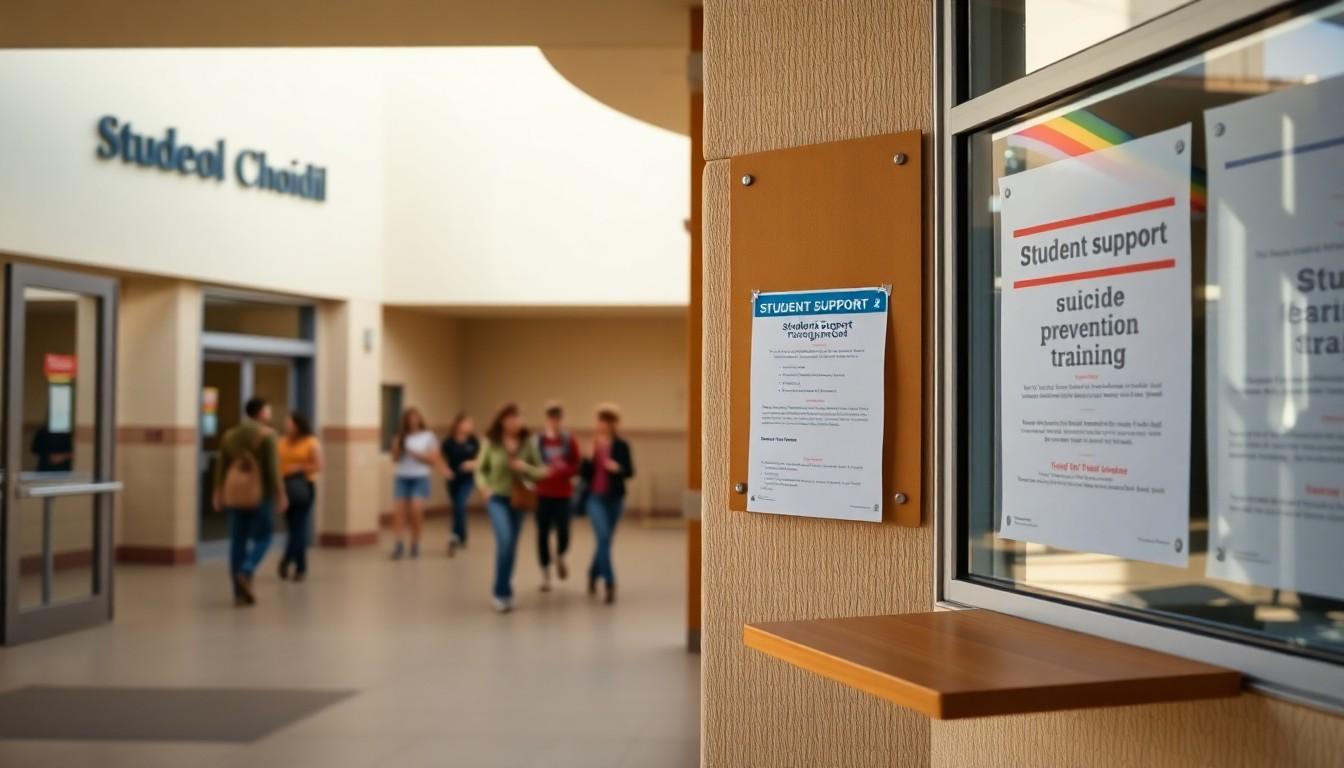
Schools are turning to peer-led support and QPR suicide prevention training to help young people spot warning signs, start compassionate conversations and connect friends with trusted adults. The approach, highlighted by a California high school initiative, shows why practical skills and genuine face-to-face relationships matter well beyond Suicide Prevention Month.
Essential Takeaways
- Peers can open the door: Trained students may feel more approachable than formal services when someone is struggling.
- QPR offers a clear route: The method focuses on recognising warning signs, asking directly, persuading someone to accept help and referring them to support.
- Boundaries matter: Student leaders aren't counsellors and need clear referral systems and adult supervision.
- Connection reduces isolation: Shared activities, weekly meetings and informal lunches can make school feel less lonely.
- Training needs structure: Schools benefit from consistent programmes, trusted staff and straightforward crisis procedures.
A friendly face can make asking for help easier
A quiet conversation at lunch can sometimes matter more than a polished poster on a noticeboard. At Laguna Beach High School in California, a Student Support Collective gives pupils a trained, approachable first point of contact when life starts to feel overwhelming.
The peer-led network began in 2020, during the disruption and isolation of the pandemic, and has since grown into a year-round wellbeing programme. Student leaders receive training in mental health awareness, active listening, suicide prevention and school referral procedures, while staff remain responsible for professional assessment and support.
The model reflects a wider principle behind QPR training for school health professionals: people don't need to become therapists to respond usefully in a difficult moment. They do need confidence, a plan and the judgement to involve an adult quickly, according to the QPR Institute.
What does QPR actually teach?
QPR stands for Question, Persuade, Refer. In practice, that means asking whether someone is thinking about suicide, encouraging them to accept help, then connecting them with a trusted adult, counsellor or specialist service.
That directness is important. Friends may notice withdrawal, hopelessness, sudden changes in behaviour or talk about death, but worry about saying the wrong thing. QPR training replaces guesswork with a simple sequence, helping people begin a calm conversation rather than quietly hoping the problem disappears.
Training providers describe QPR as an awareness and intervention approach, not a replacement for clinical care. Guidance from Boston College's student wellbeing programme also stresses the value of recognising warning signs and directing someone towards appropriate support.
Why peer support works particularly well in schools
Young people often speak first to someone their own age. A classmate understands the social landscape, knows who sits alone and may notice a change long before an adult does. That doesn't make students responsible for solving a crisis, but it can help them spot when a concern deserves attention.
Laguna Beach's collective uses weekly meetings, connection groups and activities such as shared lunches to build familiarity before anyone needs help. That groundwork matters. It is easier to approach a recognisable face than a completely unknown service, especially when embarrassment or stigma is already getting in the way.
The school reported that 79 per cent of respondents in its 2025-26 needs assessment would feel open to or comfortable contacting a Student Support Collective member about a challenge. The figure suggests that visibility and trust are not decorative extras; they can shape whether support is sought at all.
The crucial safeguard is knowing when to step back
Peer programmes work best when their limits are unmistakable. Student leaders aren't therapists, crisis workers or secret-keepers, and training should make clear when they must involve a counsellor, safeguarding lead, parent or emergency service.
That boundary is built into QPR's wider professional training resources, which position the approach as a way to identify risk and connect people with help. Schools considering QPR suicide prevention training for students should therefore plan the adult pathway first: who receives a referral, how quickly they respond and what happens outside school hours.
A strong system also protects the helpers. Students need supervision, opportunities to debrief and permission to step away from a demanding conversation. Caring for classmates shouldn't mean carrying their problems home every evening.
From a school project to a broader prevention plan
The Laguna Beach programme has been shared with other education agencies and adapted to local needs. Its success depends not only on enthusiastic pupils but also on school leaders, counsellors, families and community partners keeping the system properly resourced.
California has also expanded the policy backdrop. New student IDs for pupils in grades seven to 12 are due to include information for The Trevor Project's LGBTQ+ suicide hotline alongside the 988 Suicide & Crisis Lifeline, while new legislation provides permanent online suicide prevention training for eligible students, staff and families.
The broader lesson is refreshingly practical. A hotline number is useful, formal training is valuable and professional care is essential, but everyday connection remains the thread joining them together. As one school social worker put it in the programme's account, young people are encountering these situations in real life, so they need to know what to notice and what to do next.
If someone may be in immediate danger, contact emergency services. In the US, call or text 988; in the UK, call 999 in an emergency or contact Samaritans on 116 123.
Small, well-supported actions can help a school feel less isolated and far more ready to respond.
Source Reference Map
Story idea inspired by: [1]
Sources by paragraph:
- Paragraph 1: [2], [3]
- Paragraph 2: [4], [5]
- Paragraph 3: [6], [7]
- Paragraph 4: [2], [3]
- Paragraph 5: [4], [5]
- Paragraph 6: [6], [7]
- Paragraph 7: [2], [4]
- Paragraph 8: [3], [5]
- Paragraph 9: [6], [7]
- Paragraph 10: [2], [3]
- Paragraph 11: [4], [5]
- Paragraph 12: [6], [7]
- Paragraph 13: [2], [4]
- Paragraph 14: [3], [5]
- Paragraph 15: [6], [7]
- Paragraph 16: [2], [3]