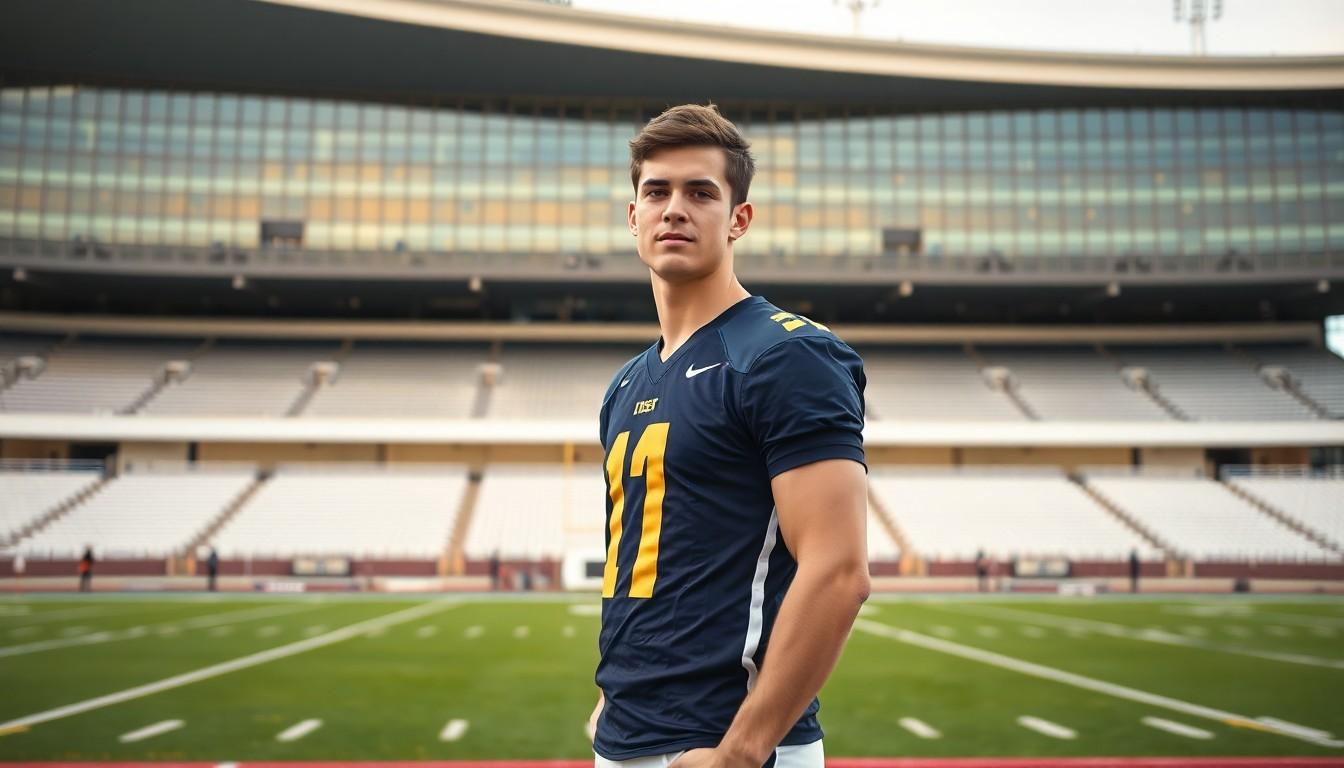
Athletes are still turning to Brian Sims for advice about coming out, more than 25 years after the openly gay college football captain led Bloomsburg University towards a national championship game. His experience offers a striking lesson in leadership, trust and why LGBTQ acceptance in college sport remains unfinished business.
Essential Takeaways
- A pioneering captain: Sims came out to teammates during the 2000 season while starting on Bloomsburg’s defensive line.
- A remarkable team: Bloomsburg reached the NCAA Division II national championship game that season.
- Advice that still resonates: Sims says coming out is about telling people who are trustworthy, not reaching a particular number.
- A wider legacy: His football experience helped shape a later career in law, advocacy, politics and education.
- Progress remains uneven: Openly gay male athletes are still relatively rare at the highest levels of college sport.
A football captain ahead of his time
More than two decades before social media made personal announcements almost impossible to keep private, Brian Sims came out to his teammates in the middle of a college football season. He wasn't a fringe player quietly watching from the bench. He was a starting defensive lineman, an All-Conference performer and a co-captain at Bloomsburg University.
The timing mattered. His team was making an unlikely run to the NCAA Division II national championship game, putting Sims in a highly visible leadership role while he navigated something deeply personal. Outsports' earlier reporting described how unusual that position was in 2000, when openly gay male football players had few visible examples to follow.
Sims' story eventually reached a wider audience when he told it publicly years later. The response was immediate and personal, with athletes contacting him to ask whether coming out could be safe, worthwhile or even possible in their own changing dressing rooms.
Why athletes still contact Sims
The striking detail isn't only that Sims was out to his teammates. It's that athletes are still approaching him for guidance, from schools and universities to professional sport in the United States and abroad.
That continuing demand says something uncomfortable about the pace of change. Sport has become more comfortable discussing LGBTQ identity in some areas, particularly through campaigns, rainbow branding and visible support for women athletes. But openly gay men in elite team sports remain far less common, especially in football.
Earlier Outsports coverage of Sims' experience helped preserve a rare piece of sports history, while later profiles showed how his example continued to circulate among players. His influence wasn't built on a viral moment. It grew through quiet conversations, one nervous athlete at a time.
The most useful advice is surprisingly simple
Sims' guidance is refreshingly practical: coming out isn't measured by how many people know. It depends on whether the people told are safe, supportive and capable of keeping confidence.
That's an important distinction for student athletes, whose lives can be closely tied to coaches, team-mates, scholarships and housing. The right first step might be telling a trusted friend, counsellor or family member, rather than making a public declaration.
Research and historical overviews of homosexuality in college sport point to the same broader challenge: acceptance can vary sharply between teams, institutions and sporting cultures. So the most sensible approach is personal rather than performative. Build support first, and decide later whether a wider announcement feels right.
From the locker room to public life
Sims' football career became the starting point for a much broader life in advocacy. He later studied law, worked on women's and reproductive rights and entered Pennsylvania politics, becoming the state's first openly LGBTQ legislator, according to biographical records.
That path wasn't necessarily a pre-written political destiny. Instead, the habits of leadership he developed in football - speaking up, taking responsibility and looking beyond his own position - became useful in public life.
His story also complicates the usual idea that coming out is a single, dramatic event. For Sims, the impact unfolded over years, through conversations with former team-mates and strangers who recognised themselves in his experience. A personal decision became a public resource.
The locker room lesson still has legs
Sims has said he misses football practices more than the games. It's a revealing preference: practice meant spending ordinary time with friends, while a match offered one intense day against opponents. That everyday closeness shaped his understanding of trust and belonging.
He has also linked current resistance to LGBTQ acceptance with a louder, more aggressive version of masculinity. Whether one agrees with every part of that diagnosis, the tension is clear. Many athletes are still expected to perform toughness first and vulnerability never, even though strong teams depend on communication and mutual confidence.
Today, Sims continues to work in advocacy and leadership, and has joined the inaugural faculty of Vanderbilt University's New York campus. His career has travelled a long way from a Pennsylvania football field, but the central lesson hasn't changed: leadership is most meaningful when it makes room for somebody else.
A trusted conversation can still be a powerful act of courage.
Source Reference Map
Story idea inspired by: [1]
Sources by paragraph:
- Paragraph 1: [2], [3]
- Paragraph 2: [2], [7]
- Paragraph 3: [6], [7]
- Paragraph 4: [3], [5]
- Paragraph 5: [4], [5]
- Paragraph 6: [2], [6]
- Paragraph 7: [5], [7]
- Paragraph 8: [4], [3]
- Paragraph 9: [4], [6]
- Paragraph 10: [2], [7]
- Paragraph 11: [5], [6]
- Paragraph 12: [3], [7]
- Paragraph 13: [4], [6]
- Paragraph 14: [2], [5]
- Paragraph 15: [3], [7]
- Paragraph 16: [4], [6]
- Paragraph 17: [2], [3]