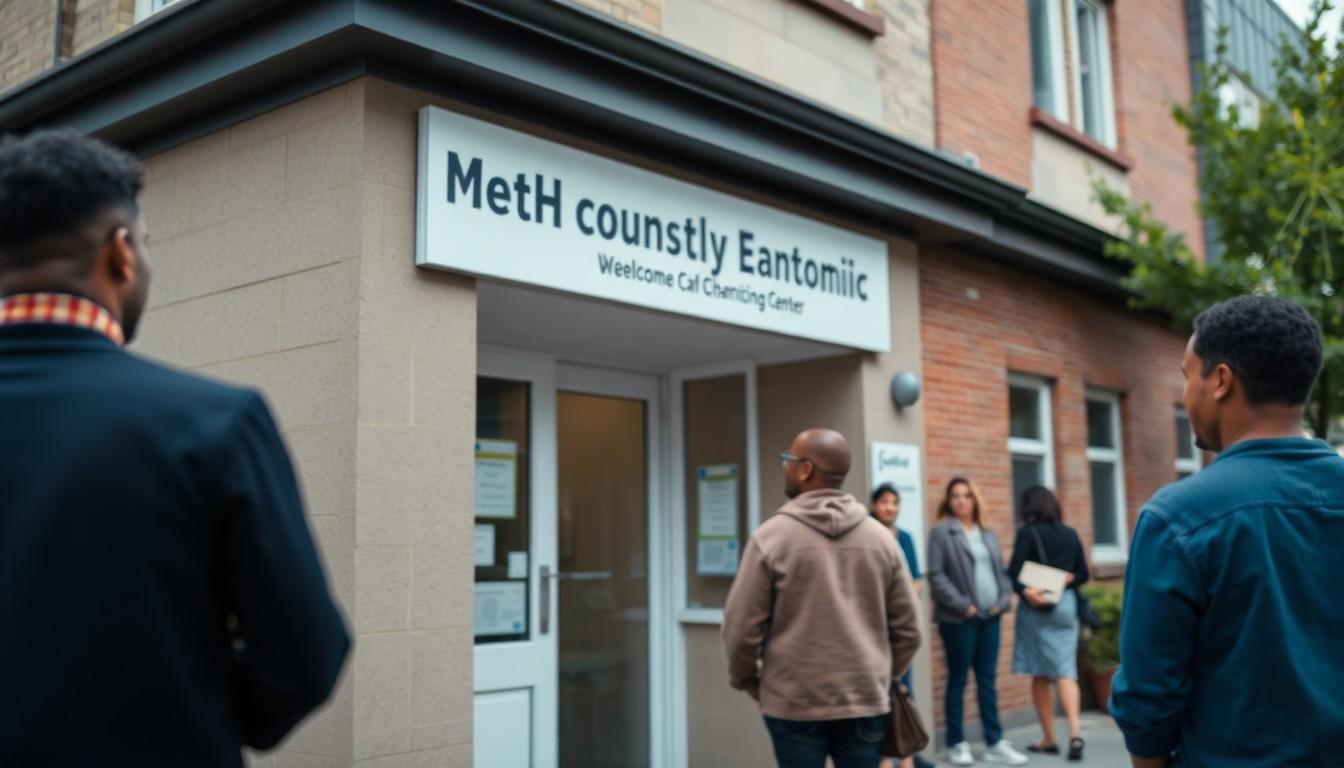
Shoppers are turning to community-led care: Black queer men and advocates are sounding the alarm about rising mental health needs, why visibility matters, and practical steps people and services can take to close gaps in culturally responsive support. This story explains who’s affected, what helps, and why it matters.
Essential Takeaways
- High risk: Recent studies and interviews show elevated rates of suicidal ideation and attempts among Black gay and bisexual men, driven by overlapping race- and sexuality-related stressors.
- Visibility helps: Celebrities speaking openly about diagnoses can reduce shame and encourage help-seeking, but public disclosure doesn’t erase access barriers.
- Cultural barriers: Church-based shame, rigid masculinity expectations, and stigma often keep Black queer men from seeking care early.
- Practical fixes: Culturally competent therapists, peer-led groups, and local advocacy organisations offer the most immediate, tangible support.
- Policy matters: State-level anti-LGBTQ laws and defunding of affirming services worsen outcomes , where people live shapes their mental health.
Why the numbers are worrying , and why they’re not inevitable
The stark statistics make a clear headline: many Black queer men face serious mental health risks. Studies tracking suicidal ideation and attempts among Black gay and bisexual men point to rates that should demand urgent attention, and the feeling of shame many describe is a sensory thing , a quiet, heavy weight that keeps problems hidden. Researchers now factor in structural forces, noting that anti-LGBTQ state policies and systemic racism correlate with worse outcomes. That helps explain why location and law matter as much as personal history.
But numbers aren’t destiny. Community advocates and clinicians are saying the same thing: where there’s connection and culturally attuned care, people fare better. If you’re choosing a therapist, look for experience with Black LGBTQ clients, or ask whether the clinician uses affirming, trauma-informed approaches. Peer support groups can also be lifesaving first steps for someone who doesn’t yet feel ready for formal therapy.
Visibility: why Lil Nas X’s disclosure mattered , and what it can’t do alone
When a high-profile figure talks openly about bipolar disorder, it creates a visible, emotional ripple: fans see a familiar face, feel less alone, and sometimes reach for help. Coverage in outlets such as LGBTQ Nation and the Los Angeles Times shows how that kind of honesty prompts supportive messages and public conversation. The immediate emotional impact is clear , it normalises the need for care and chips away at secrecy.
Still, visibility is only one part of the picture. Experts warn that a celebrity’s story doesn’t fix the local shortage of culturally responsive clinicians or the financial and logistical barriers people face. Think of visibility as the front door opening; what’s essential is having pathways inside , affordable therapy, local support groups, and clinics that won’t dismiss or stereotype a Black queer client.
The role of churches, culture and shame , how to change the script
For many Black queer men, Christian communities were among the first places they turned for support , and often the first to teach silence. Clinicians and organisers repeatedly cite the legacy of religious shame as a core barrier to help-seeking, with symptoms minimised or misunderstood as character flaws. That cultural script turns private pain into secrecy, and secrecy into risk.
Changing that script means both cultural work and practical outreach. Community-led organisations that host non-judgemental social spaces, workshops, and ally training can shift perceptions from within. If you’re an ally, simple acts help: listen without trying to fix, share resources, and call out stigma. If you’re organising in a faith setting, consider programmes that reframe mental health as part of spiritual care, not a contradiction of it.
Where care is failing , and how community-led solutions fill gaps
Clinicians on the ground note a shortage of therapists who both understand racial trauma and the specific dynamics of queerness. That lack of cultural competency can leave clients feeling unseen or misdiagnosed. Meanwhile, policy moves that restrict affirming care or strip funding from services make local access worse, as reporting from Axios and other outlets shows in examples from multiple states.
Community responses are practical and immediate: peer networks, grassroots mental-health collectives, and training programmes that equip allies and clinicians with culturally specific skills. If you can, support local groups financially or with time. For those looking for help, seek out collectives that advertise Black and queer competency, and ask potential providers about their experience before booking a session.
What to do if you or someone you love is struggling
Start small and practical. If someone’s in immediate danger call emergency services or use crisis lines. For ongoing support, ask about culturally competent therapists, look for peer-run groups, and use online directories that filter by cultural and sexual identity competency. Encourage honesty and remove shame from conversations: saying “I’m worried about you” is powerful. Organisations like BEAM emphasise that healing is communal, so bringing trusted friends, mentors or faith leaders into the conversation , when safe , can help.
For policymakers and funders, the ask is straightforward: invest in community-based services, expand training in cultural competency, and reverse policies that limit access to affirming care. For the rest of us, the work is a mixture of listening, showing up, and pushing for better local services.
It's a small change that can make every outreach quieter, braver and safer.
Source Reference Map
Story idea inspired by: [1]
Sources by paragraph: