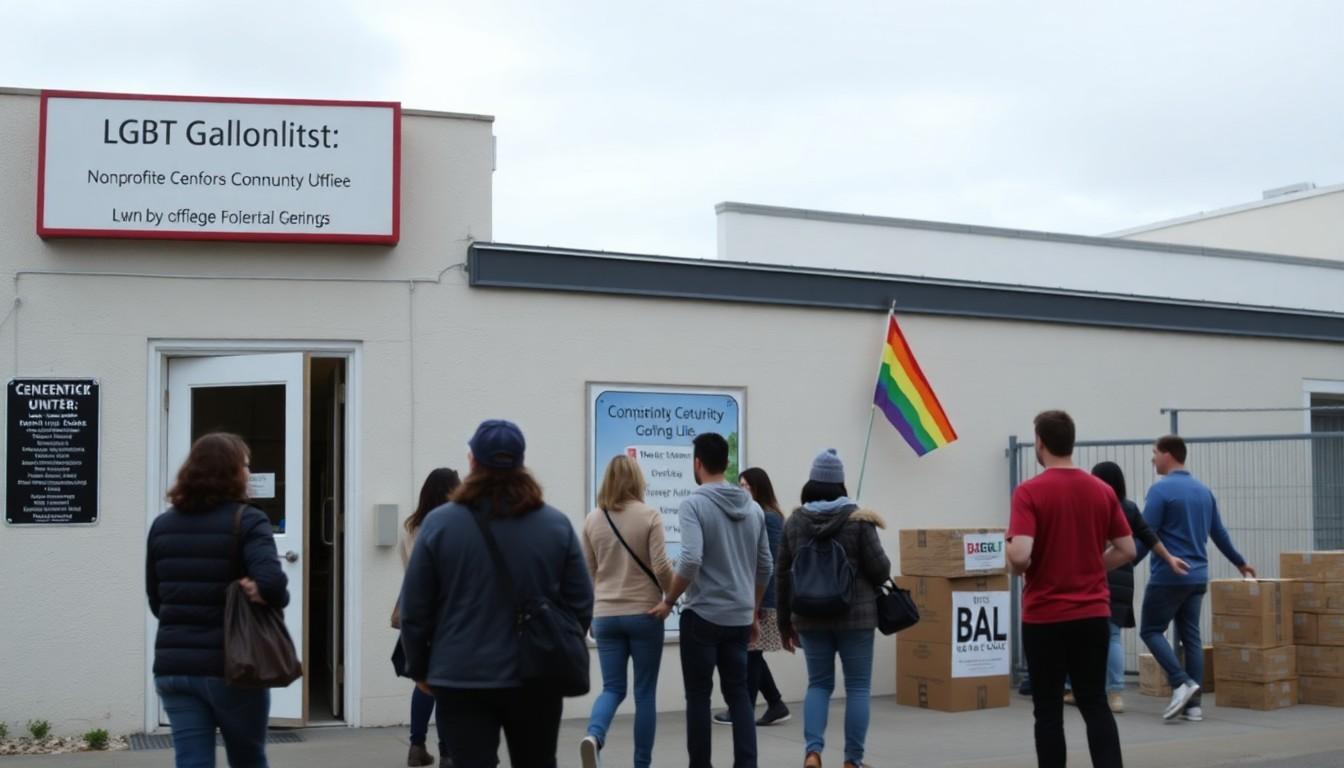
Shoppers and donors alike are waking up to a hard truth: funding for trans-led organising is falling even as attacks rise. This piece looks at who’s supporting the frontline, what gaps remain, and practical steps philanthropists and allies can take now to shore up trans-led power where it matters most.
Essential Takeaways
- Funding gap: Foundations gave only a few cents per $100 to trans and gender-nonconforming communities, and that share has shrunk recently.
- Opposition investment: Organised anti-trans campaigns have poured millions into ballot and media efforts, outspending trans-led groups by a wide margin.
- Rapid-response models: New emergency funds and rapid-response pools are being set up to plug immediate organising and legal needs.
- Community resilience: Trans organisers continue to build power with limited resources, prioritising mutual aid, local campaigning, and leadership development.
- Actionable donor steps: Fund unrestricted support, back rapid-response vehicles, and fund cross-movement leadership to scale long-term change.
Why the money has pulled back as attacks surge
The striking detail here is simple and painful: funding for trans-led work has declined even while anti-trans laws and ballot fights have multiplied, and that’s a choice not a shortage. According to advocacy tracking, philanthropy’s share going to transgender and gender nonconforming communities is tiny and slipped recently. Meanwhile, well-funded opposition groups have flooded states with adverts and disinformation, making it feel like the public is further from trans people than polling suggests. For donors that means every month of delay amplifies the consequence, because the opposition’s cash translates directly into media narratives and ballot success.
Rapid-response funds: the stopgap that’s working right now
Several groups have stood up rapid-response mechanisms to get money where it’s needed fast. These emergency pools are designed to support on-the-ground organising, legal defence, and immediate campaign work in states facing ballot measures. The model is practical: small grants, quick turnaround, and trust-based decision-making that avoids bureaucratic delays. For foundations used to long grant cycles, supporting, or modelling, rapid-response vehicles is one of the clearest ways to have real impact this cycle.
Why unrestricted, multi-year support changes the game
Short-term project grants help one campaign, but they don’t build durable institutions. Funding that’s unrestricted and multi-year lets organisations pay staff, maintain grassroots networks, and weather political storms. Trans-led groups report that even modest flexible funding can sustain organisers through intense campaign seasons and support mutual aid programmes that keep people housed and fed. Donors who want strategic wins should insist on flexibility and expect messy, creative grassroots work, not tidy deliverables.
Integrating trans leadership across movements multiplies impact
Trans leadership doesn’t only belong in “trans” programmes; it should be embedded across racial justice, labour, reproductive rights, and youth work. When partners integrate trans leaders into broader organising, they build stronger coalitions and make it harder for opponents to isolate issues. Practically, that can mean co-funding roles, sponsoring leadership pipelines, or requiring grantees to demonstrate trans and queer inclusion. Building that shared power is a win for everyone and a smart hedge against single-issue backlash.
How donors and everyday allies can act today
If you’re a donor, prioritise: back rapid-response funds, give flexible operating dollars, and invest in leadership development for trans, queer, and BIPOC organisers. If you’re an ally without deep pockets, amplify trans leadership by sharing truthful messaging, putting up visible signs of support, and volunteering for local campaigns. Small acts of social proof, wearing affirming badges, talking about trans rights with friends, change the tenor of public debate more than you might expect. The combination of sustained funding and visible solidarity is what flips narratives and wins votes.
It's a small change that can make every campaign and community safer and stronger.
Source Reference Map
Story idea inspired by: [1]
Sources by paragraph: