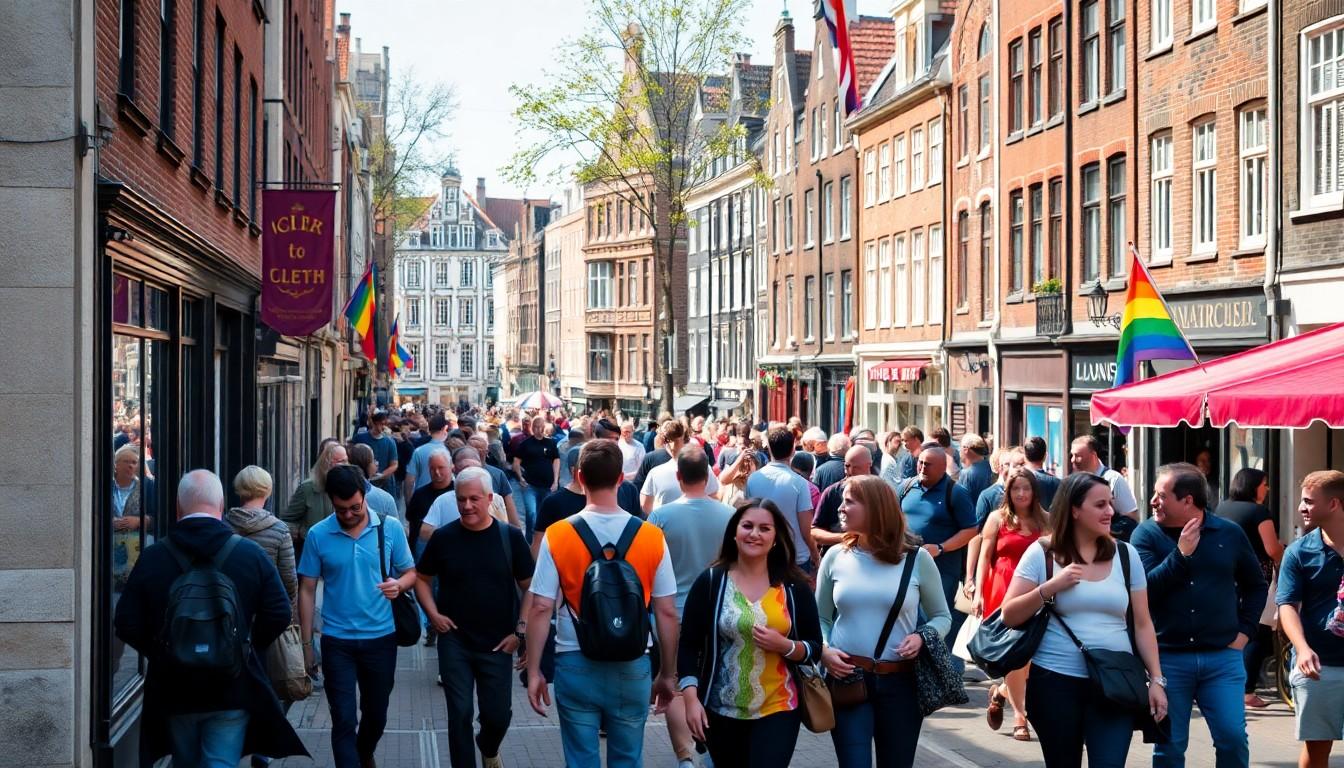
Travellers are putting LGBTQ+ welcoming cities firmly at the top of their bucket lists, and Amsterdam keeps emerging as a favourite. With canals, lively nightlife and a long history of queer visibility, the Dutch capital offers more than a pretty weekend break. It’s a destination where culture, comfort and community can share the same itinerary.
Essential Takeaways
- Amsterdam leads the conversation: Travellers repeatedly name the Dutch capital as a dream LGBTQ+ destination.
- There’s more than nightlife: Canals, cafes, museums and neighbourhood wandering give the city plenty of daytime appeal.
- Queer spaces are varied: Amsterdam offers LGBTQ+ bars, cafes, events and community-focused areas rather than one single scene.
- Plan beyond the postcard: Popular areas can be busy, so checking current listings and local guidance is sensible.
- The best trips feel personal: A memorable visit might centre on romance, food, history, Pride or simply exploring at your own pace.
Why Amsterdam Keeps Calling LGBTQ+ Travellers
Some destinations look good on paper. Amsterdam tends to feel good in motion, with bicycles gliding past canals, narrow houses catching the afternoon light and cosy bars offering shelter when the weather turns typically changeable.
That mix helps explain why the city continues to appear on LGBTQ+ travel wish lists. GayCities reported that several well-travelled readers named Amsterdam among their dream destinations, drawn by its reputation for acceptance, established queer culture and easygoing atmosphere.
The appeal isn’t limited to one type of traveller, either. You can spend the morning in a museum, pause for coffee beside the water and finish the evening in a lively bar without needing to cross the entire city. That compact rhythm is part of Amsterdam’s charm.
A Queer Scene With Plenty of Variety
Amsterdam’s LGBTQ+ life isn’t confined to a single street or venue. According to I amsterdam, the city has a spread of LGBTQI+ bars and cafes, while its wider guide to queer areas points visitors towards neighbourhoods and spaces where community life has developed over time.
That variety matters. A first-time visitor might want a friendly cafe and a quiet drink, while a seasoned night owl could be looking for dancing, drag or a later finish. The city’s appeal lies in being able to change the pace without changing destinations.
Travel guides also highlight a broad choice of Amsterdam LGBTQ+ bars, from relaxed meeting spots to more energetic venues. It’s worth checking opening hours and event calendars before heading out, particularly around major festivals, public holidays and busy summer weekends.
Is Amsterdam’s Red Light District Part of the LGBTQ+ Story?
The Red Light District attracts plenty of attention, but it’s easy for visitors to reduce Amsterdam’s queer history to a colourful headline. GayCities has examined the idea of an LGBTQ+ Red Light District and the way the city’s reputation can blur different histories, spaces and communities.
For travellers, the practical lesson is simple: explore with curiosity rather than assumptions. The district is one part of a much larger city, and it shouldn’t be treated as a complete guide to Amsterdam’s LGBTQ+ culture.
Instead, combine an evening there with dedicated queer venues, local events and neighbourhood walks. That approach gives you a fuller picture, and it’s usually more rewarding than ticking off one famous area and calling it a night.
How to Plan a More Comfortable Amsterdam Break
Start by deciding what kind of trip you actually want. If this is a first visit, divide your time between central sights and LGBTQ+ venues, leaving room for unplanned wandering. Amsterdam rewards a loose itinerary, especially when a quiet canal-side table suddenly looks more appealing than the next scheduled attraction.
Accommodation can shape the experience, too. Staying centrally makes it easier to return after a late night, while a quieter neighbourhood may suit travellers who prefer slower mornings. Amsterdam.net’s travel guidance is useful for visitors comparing transport, nightlife and general planning considerations.
For a smoother trip, book popular attractions ahead, carry a light waterproof layer and remember that cycling lanes are serious business. If you’re exploring after dark, use official transport or a reputable taxi service, and check current venue information rather than relying on old listings.
The City Works Best When You Take Your Time
Amsterdam’s strongest quality may be its flexibility. It can deliver a romantic escape, a culture-heavy long weekend or a sociable LGBTQ+ city break, depending on how you build the days.
The GayCities readers quoted in its travel feature described dream destinations through personal memories, recommendations and the promise of future adventures. That feels particularly apt here. Amsterdam isn’t just somewhere to visit for a photograph beside a canal; it’s a city that can become meaningful through small moments, from a good conversation in a cafe to a favourite bar discovered by accident.
For LGBTQ+ travellers building a wider bucket list, it remains a persuasive starting point: welcoming, walkable and lively without feeling impossible to navigate.
Amsterdam is a small city with a big queer travel story, so give yourself time to find your own favourite chapter.
Source Reference Map
Story idea inspired by: [1]
Sources by paragraph:
- Paragraph 1: [2], [6]
- Paragraph 2: [3], [7]
- Paragraph 3: [4], [5]
- Paragraph 4: [2], [6]
- Paragraph 5: [3], [7]
- Paragraph 6: [4], [5]
- Paragraph 7: [2], [6]
- Paragraph 8: [3], [7]
- Paragraph 9: [4], [5]
- Paragraph 10: [2], [6]
- Paragraph 11: [3], [7]
- Paragraph 12: [4], [5]
- Paragraph 13: [2], [6]
- Paragraph 14: [3], [7]