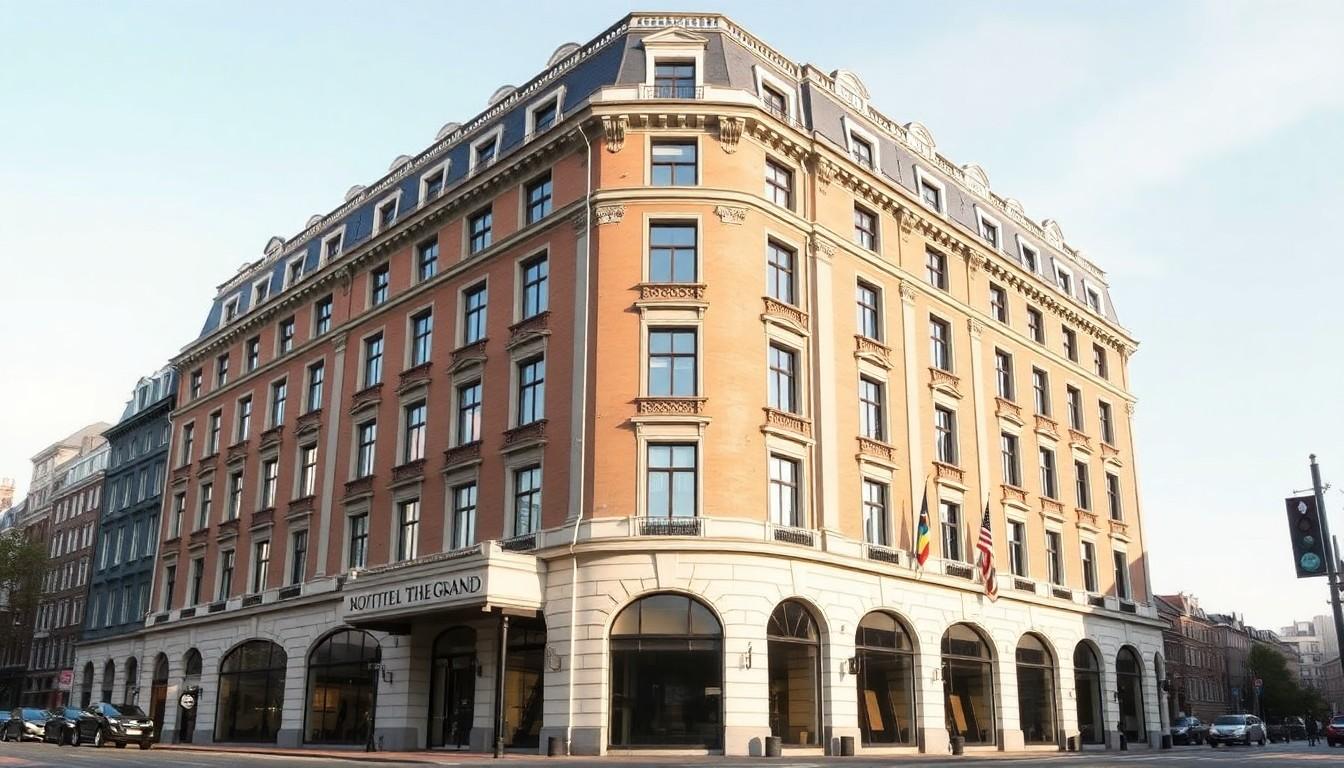
Shoppers of culture and advocates alike have been celebrating a visible win , South African trans advocate Yaya Mavundla spent WorldPride Amsterdam at the KLM Pride House, connecting with international peers, exploring queer history in Amsterdam, and returning with renewed purpose for trans visibility and care at home.
Essential Takeaways
- Representative invite: Yaya Mavundla was one of six international LGBTQIA+ advocates hosted by KLM at the Pride House during WorldPride Amsterdam 2026.
- Safe space, historic setting: The Pride House was based at Hotel Sofitel Legend The Grand in Amsterdam, offering a welcoming base for delegates to meet and join events.
- Big-picture impact: The trip mixed cultural programming, the Canal Parade and a Human Rights Conference, highlighting how travel can deepen advocacy.
- Personal resonance: Mavundla described the experience as affirming, noting the emotional lift of being in a space where identity didn’t need constant defence.
- Practical follow-through: She stresses that legal progress is only part of change , lived safety, economic equity and preserving queer histories remain vital.
Why KLM Pride House mattered , a safe room with a view
The sharpest image from this trip is simple: a room where people didn’t have to explain why they exist, and a canal visible beyond the window. KLM, as official airline partner of WorldPride Amsterdam 2026, created the Pride House to give six advocates a base to rest, meet and take part in programming without the extra labour of proving their belonging. The choice of the Sofitel Legend The Grand lent the initiative a sense of ceremony and safety, which matters when delegates come from places where being openly LGBTQIA+ can be risky. For anyone organising or supporting exchange programmes, this is how practical hospitality and symbolism combine to protect and empower visitors.
Meeting other advocates , different paths, shared feelings
Mavundla found that while journeys differed , South Africa, Mexico, New Zealand, Singapore, Brazil, Poland , the emotional core of advocacy felt familiar: visibility, safety and the responsibility to uplift others. Those contrasts are useful, not confusing; they remind us that advocacy isn’t a one-size-fits-all playbook. If you’re building alliances or funding travel, remember to fund translation , not just language translation but cultural translation , so lessons travel usefully between contexts.
Amsterdam’s queer archives made her think , rights on paper vs. lived reality
A pause at the Queer Amsterdam exhibition landed with weight: seeing the archives of struggle in a place often held up as progressive prompted reflection on South Africa’s own story. Mavundla points out that constitutional gains like same-sex marriage matter, but legislation alone doesn’t erase socioeconomic barriers or violence. This is a practical note for campaigners and policymakers: preserve histories, resource grassroots services, and invest in economic opportunities so legal rights mean daily dignity.
Travel as connection , more than a flight, a network
KLM framed travel as a way to connect cultures and perspectives, and Mavundla’s trip lived up to that idea. Crossing borders changed how she sees local work , it made the global feel close and reciprocal. For community leaders, that’s a reminder to lean into mobility: international encounters can recharge advocates, create new partnerships and make strategies feel less isolated. For individuals thinking about funding or applying to exchanges, look for programmes that combine cultural learning with safety and follow-up support.
What this means back home , visibility that travels
Coming home, Mavundla returned with renewed commitment to preserve queer histories and to press for tangible change for black transgender South Africans. The trip’s emotional uplift matters because advocacy is sustained by people who feel seen and connected. Local organisations can use these kinds of exchanges to spotlight under-heard stories and to push for economic equity and safer communities. It’s not glamorous work, but it’s what makes rights real.
It’s a small change that can make every journey safer and every voice louder.
Source Reference Map
Story idea inspired by: [1]
Sources by paragraph: