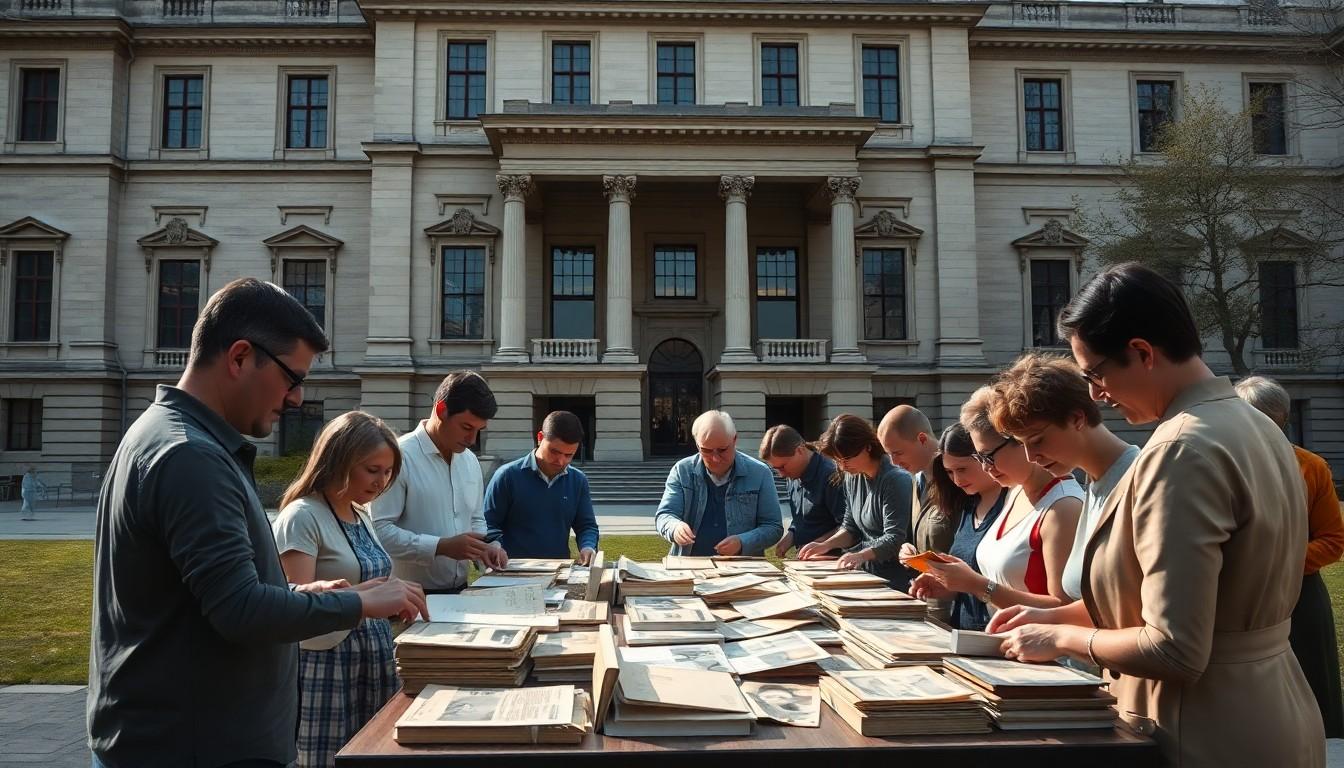
Notice how political fights increasingly end up in museums? Owners, donors and visitors are watching as national displays get rewritten , and that matters because objects in museums keep messy, emotional stories alive for future generations. Here’s why the recent Smithsonian dust-up matters, who’s affected, and what you can do to help protect honest history.
Essential Takeaways
- What’s happening: Political leaders have pushed to alter or remove museum content that conflicts with their narratives, affecting exhibits about race, Indigenous history and LGBTQ+ life.
- Personal stakes: Donors whose papers and artefacts sit in national collections see their life stories and movements at risk of being sanitised or erased.
- Museum evidence matters: Objects , from protest buttons to threatening letters , carry emotional weight and prove lived experience.
- Practical action: You can support independent curatorial decisions, back legal protections, and donate with clear terms to safeguard context.
- Emotional cue: Seeing an artefact in a display can be quiet, powerful validation , and its removal feels like a small, painful denial.
Why one donor’s Smithsonian collection matters to everyone
The sharpest moment in this debate comes when history hits the personal: a donor discovers items from their activism in a national museum and then sees those curators attacked in a political report. That sting is familiar to anyone who’s watched a public institution become the battleground for private grief and public image. According to reporting, curators named in government critiques included those who worked on exhibitions about racism and queer history, and their work drew direct political fire.
This isn’t just about one exhibit , it’s about the principle that museums should be safe places to hold complicated stories. When an administration questions curators’ choices, donors and communities worry their struggles will be smoothed over or erased. For the public, losing those raw objects means losing a way to feel the past in the present.
What’s being targeted and why it matters
Across the country, displays on slavery, Indigenous history, Japanese American internment and LGBTQ+ activism have come under scrutiny. The trend isn’t random: contested narratives often concern who belongs in the national story. When institutions bow to pressure, the result can be sanitised timelines that omit protest, pain and resistance.
That matters because objects in museums don’t just illustrate facts , they provoke empathy. A march can, in words alone, be a list of dates; the same march recreated with a torn placard or a threat letter becomes a visceral, human moment. Erasing those objects risks making social progress look inevitable instead of earned.
How donors and curators are responding
Curators and donors aren’t passive. Some have spoken out publicly, clarified provenance, or tightened loan agreements. Others have urged legal and institutional protections that keep narrative control with professional historians and curators rather than political appointees. Museums themselves have leaned on scholarship, community consultation and transparent exhibit practices to defend choices.
If you’re a donor or considering donating, be explicit about how your materials should be used and preserved. Ask curators for written agreements and the museum’s policy on deaccession, contextualisation and public engagement. Those small legal steps can make a big difference if politics turns hostile.
What you can do as a visitor, donor or concerned citizen
You don’t need to be a donor to help. Attend public programmes, read exhibit labels, and support museums financially or by joining friends-of-the-museum groups that advocate for curatorial independence. Contact local representatives to stress the importance of protecting cultural institutions from political interference. Small acts , sharing a museum’s post, writing a thoughtful letter to an editor, or visiting an exhibit with young people , keep those stories visible.
If you want to donate materials, document their context thoroughly: photos, dates, associated people, and your intent for display. That contextual record is the best defence against future sanitisation.
Looking ahead: museums as contested public memory
Museums are always negotiating memory, but when political leaders try to rewrite displays, the debate turns urgent. The pushback from curators, donors and the public suggests the museums that survive will be those that embrace complexity, not erase it. History is noisy and uncomfortable by design; the best exhibits let visitors sit with that discomfort.
So expect more battles over plaques and placards in the months ahead. But also expect more people to show up , because once a community realises what’s at stake, it tends to defend its witnesses.
It's a small change that can make every exhibit truer to the people it represents.
Source Reference Map
Story idea inspired by: [1]
Sources by paragraph: