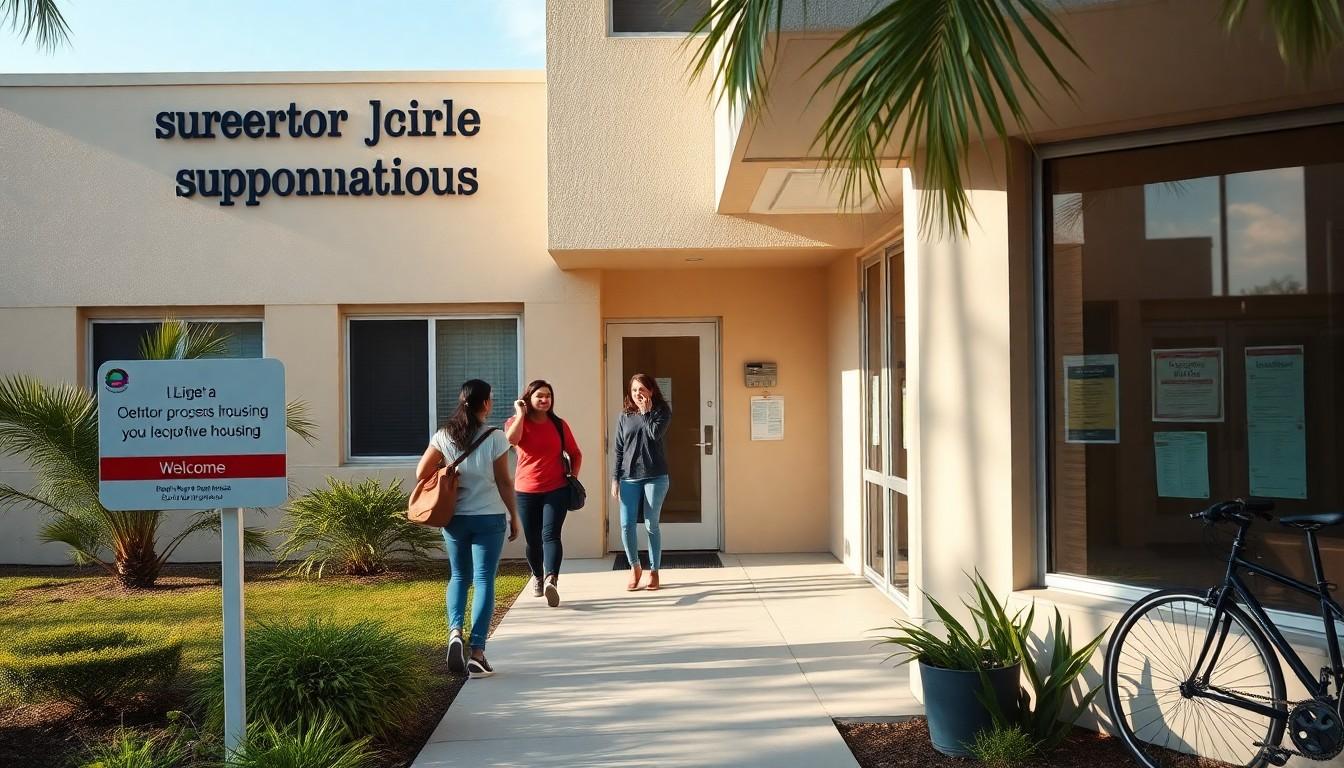
Shoppers are turning to community action , Sunshine Pride House in Fort Lauderdale is doing more than offering beds: it’s training, counselling and mentoring young LGBTQ people so they can move from crisis to independence, and the model shows why targeted supportive housing matters.
Essential Takeaways
- Safe beds, big impact: Sunshine Pride House offers six bedrooms and space for up to 12 young people, combining shelter with daily support.
- Wraparound services: Residents get life-skills coaching, mental-health counselling, education and employment help , practical steps toward independence.
- Local collaboration: Sunshine Cathedral, SunServe, FLITE Center and philanthropists teamed up, showing how community networks amplify results.
- Mental-health stakes: Research from The Trevor Project links homelessness and food insecurity to significantly worse mental-health outcomes for LGBTQ youth.
- Small scale, measurable change: Twelve beds won’t end a crisis, but they can transform individual lives and model scalable solutions.
Why a house matters: shelter plus stability
A roof is comforting, but for young LGBTQ people it can be quietly life-changing , not just physically safe, but emotionally steady. According to research from The Trevor Project, houselessness often coincides with food insecurity and much higher rates of depression and anxiety, so simply placing someone in a room isn’t enough. Sunshine Pride House, which opened in early 2024 in Fort Lauderdale, was designed with that in mind: the space is intentionally small and residential, which helps create a calmer, more personal atmosphere where residents say they feel seen and supported.
That intimacy matters because many residents arrive after family rejection or abuse. The house’s six-bedroom layout and communal areas encourage peer support while staff and partners deliver targeted services. If you’re weighing housing options for a young person, look beyond square footage , ask what wraparound supports are available, because stability is built from services as much as shelter.
The services that change what comes next
Sunshine Pride House pairs accommodation with life-skills coaching, mental-health counselling, education and employment assistance. Those supports address the downstream losses that often follow homelessness: disrupted schooling, gaps in CVs, and fragile mental health. Industry research highlights that LGBTQ youth facing housing instability report dramatically greater mental-health challenges than peers with stable homes, so integrated care is central to recovery.
From practical budgeting lessons to help with job interviews, the programme steers residents toward independence. If you’re involved with a similar project, consider making mentorship and job-readiness core components , they’re as crucial as case management in helping someone leave crisis behind.
Community coalition: how South Florida made it happen
Sunshine Pride House isn’t a solo charity effort; it’s a product of collaboration. Sunshine Cathedral partnered with SunServe, the FLITE Center, The Our Fund Foundation and individual philanthropists to create both the residence and the network of services around it. That collective approach spreads costs and expertise while signalling community buy-in, which is vital when donors and service providers need to justify investment.
This model suggests a practical blueprint: faith-based organisations, local LGBTQ centres and funders can pool resources to fill gaps in local social services. If you’re a philanthropist or civic leader, the lesson is clear , partnerships expand reach and deepen impact.
Why mental-health support must be baked in
Mental-health counselling is not a nice-to-have at Pride House; it’s essential. The Trevor Project’s briefs show stark links between houselessness and worsened mental-health outcomes among LGBTQ young people, and that risk is magnified for Latinx youth in overlapping studies. Counselling helps address trauma from family rejection and the chronic stress of instability, and it works best when offered alongside stable housing and daily routines.
For practitioners, the takeaway is to fund integrated mental-health resources within housing programmes, rather than outsourcing them. Residents need accessible, stigma-free therapeutic care that fits into their daily lives.
Small programme, big example: scaling what works
Twelve beds won’t solve national homelessness, but they can transform lives and prove a model that others can adapt. Sunshine Pride House demonstrates how a focused, community-backed programme can successfully guide young people toward independence. It also highlights the importance of targeted funds, like South Florida’s FLoatarama LGBTQ Youth Fund, to sustain operations and expand capacity.
If your area lacks such resources, start local: convene community partners, map existing services and identify properties that could become safe houses. Small-scale pilots can attract funders once they show measurable outcomes.
It's a small change that can make every future steadier.
Source Reference Map
Story idea inspired by: [1]
Sources by paragraph: