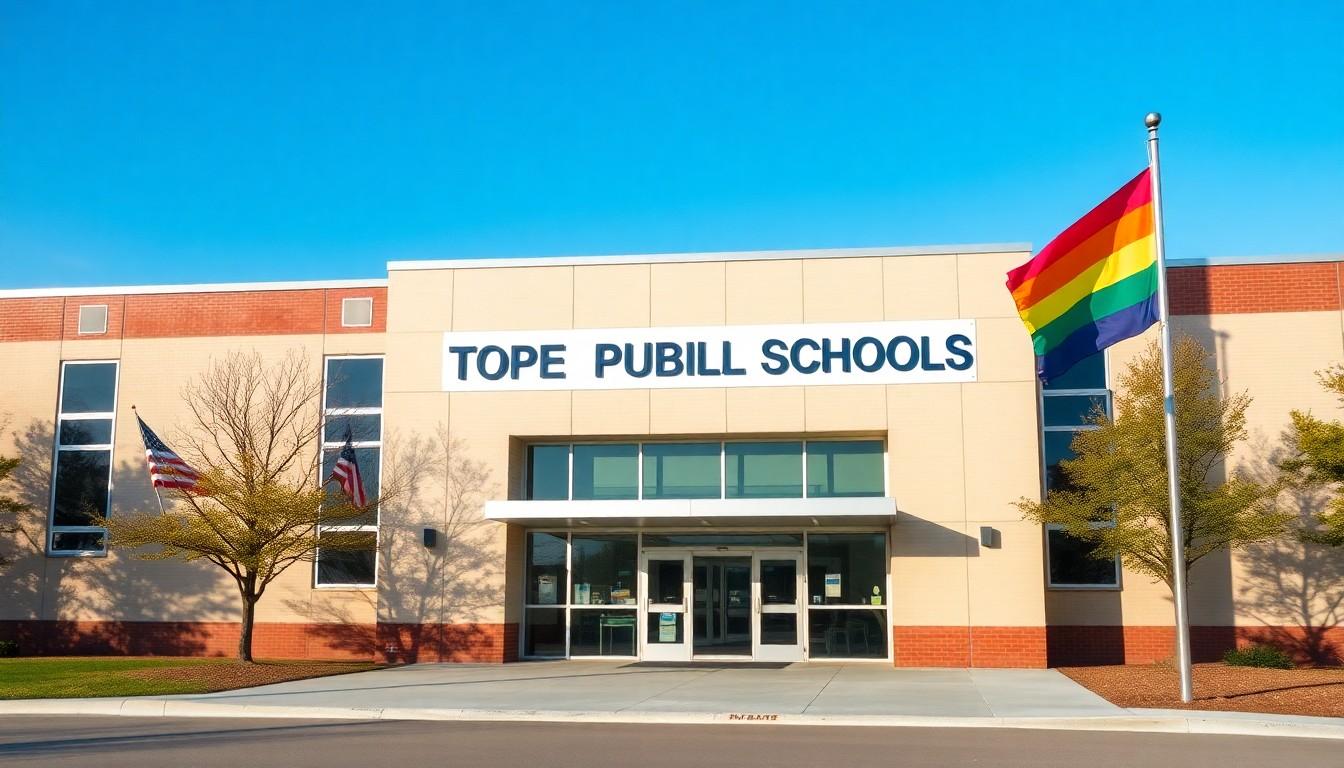
Shoppers of public education policies are watching as several U.S. school districts revise LGBTQ+ rules after pressure from federal agencies; parents, administrators and advocates are reassessing privacy, parental-rights and inclusion practices and asking what it means for students nationwide.
Essential Takeaways
- Federal action is real: The U.S. Department of Education’s Office for Civil Rights has been opening fast-moving investigations that push districts to share gender-support materials or curb them.
- Agreements and rollbacks: Topeka Public Schools agreed to stop creating gender support plans and to share existing plans with parents under a recent resolution.
- Legal escalation: Some districts refused one-sided agreements and face Justice Department referrals, lawsuits or threats to federal funding.
- Patchwork outcomes: Responses range from policy rollbacks to courtroom fights, leaving families and staff uncertain about day-to-day student support.
- Practical impact: Changes often hinge on FERPA and PPRA interpretations, so record-keeping, training and parental-access rules are the core battlegrounds.
What happened in Topeka , and why it matters
Topeka Public Schools reached a resolution with the Education Department that bars the district from creating gender support plans and requires sharing existing plans with parents. The settlement also prescribes approved training materials tied to FERPA, giving the federal government a clear hand in local processes. According to K12 Dive coverage, the Education Department signalled this change after opening investigations into several districts. For families and staff the result is immediate: what was previously private or school-led support can now be subject to parental review and federally approved guidance.
Investigations sped up under the Trump administration
The Education Department’s Office for Civil Rights has been more aggressive and quicker to open probes, routinely invoking privacy and parental-rights laws. K12 Dive and related reporting note these investigations have pressured districts to either hand over materials or amend policies rapidly. That speed has shifted the usual give-and-take between schools and federal agencies, turning what were normally collaborative settlements into one-sided edicts or litigation threats. If you work in a school, expect quicker federal timelines and a need to document decisions carefully.
Some districts push back , and take it to court
Not every district accepted the government’s proposed agreements. Olathe and Shawnee Mission in Kansas were referred to the Justice Department for failing to reach similar deals, and Kansas City, Kansas is being sued after the Education Department found noncompliance with FERPA and PPRA. Coverage from WIBW and K12 Dive shows the federal response can escalate quickly to civil enforcement and possible loss of funds. For administrators, that creates a stark choice: comply with new mandates or risk long, costly legal battles.
Broader legal fights show a national pattern
This isn’t isolated to Kansas. School boards in Virginia sued the Education Department over Title IX findings about transgender students’ access to facilities, and California sued the Justice Department after guiding districts to allow transgender students in sports consistent with their gender identity. The Guardian and other outlets have documented a wider rollback of civil-rights settlements affecting transgender students. The result is a national patchwork where local policies, state guidance and federal enforcement collide, making it harder for families to predict how schools will act.
What parents and schools should look for now
At the centre of disputes are education records and parental rights under FERPA and PPRA, so practical steps matter. Schools should audit their record‑keeping and review staff training materials to ensure they meet federal guidance; parents should ask how student information is stored and who can see it. Advocates suggest documenting communications and seeking legal counsel when districts change practices suddenly. In short, being proactive about documentation and transparent communication will help reduce surprises.
How this could reshape student support in practice
The tug-of-war over gender support plans and related materials affects classroom routines, counselling, and daily identity support for transgender and gender-questioning students. LGBTQ+ advocates warn that removing quiet supports can increase risk and isolation, while proponents of the federal approach argue it restores parental rights. Expect more districts to either revise policies or litigate, and for training and record policies to become the main tools for compliance. That means school leaders and families will need to stay informed and engaged.
It's a small change that will make every policy and record count.
Source Reference Map
Story idea inspired by: [1]
Sources by paragraph: