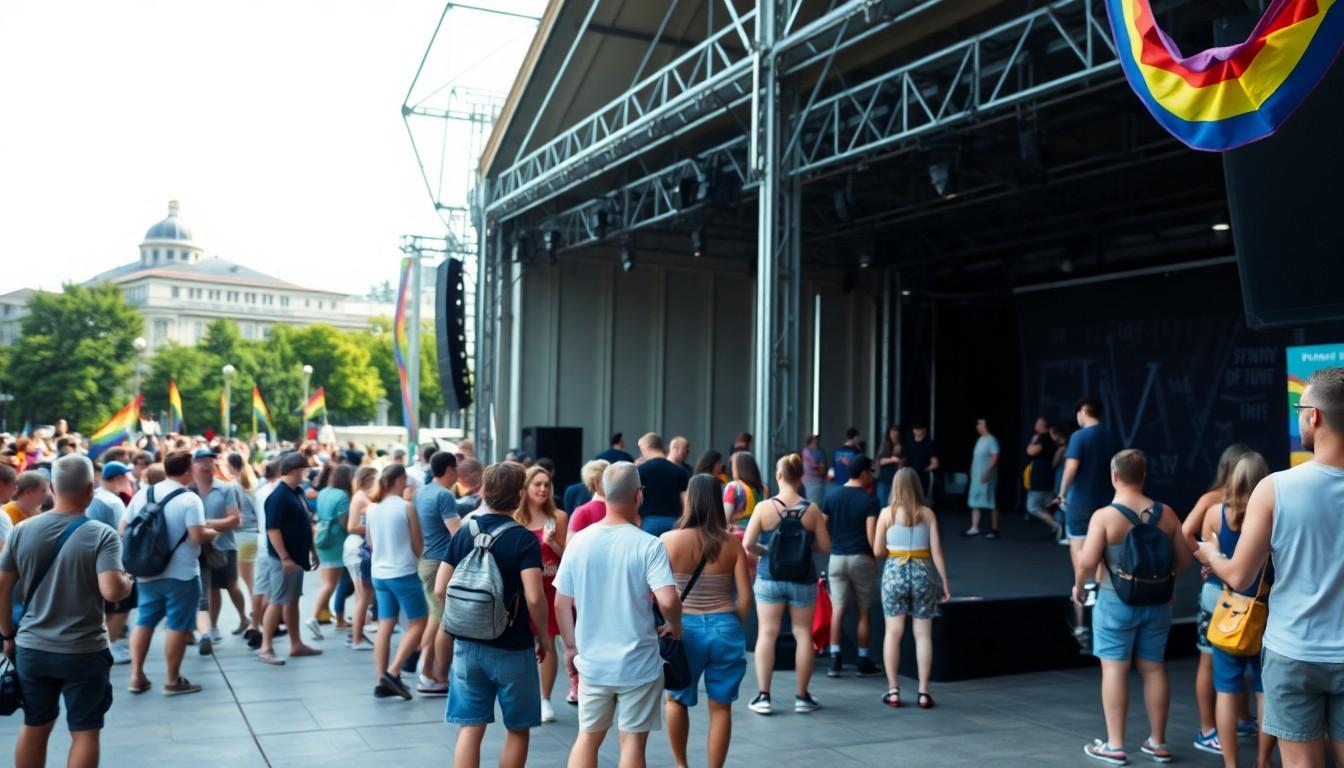
Spark a memory, feel the crowd, and remember that Pride is both celebration and duty , speakers like Kleiner‑Lai at Pahrump PRIDE turned personal pain into a public call to act, reminding everyone why Pride as protest still matters and how to carry that spirit beyond the parade.
Essential Takeaways
- Powerful personal testimony: Kleiner‑Lai used his own experiences of online abuse and anti‑immigrant slurs to make the stakes of visibility tangible.
- Pride’s roots: Pride began as protest and remains rooted in resistance to criminalisation and violence against LGBTQIA+ people.
- Dual message: The speech balanced confronting hate with affirming joy , rise, resist and then rejoice.
- Practical solidarity: Calls to protect transgender people and to carry the rainbow as everyday commitment were centrepieces.
- Ongoing work: Progress isn’t automatic; each generation must keep moving it forward with action, not just symbolism.
Why a speech that mixes hurt and joy lands harder than a slogan
Kleiner‑Lai’s address cut through cheer with a quiet, specific pain , he read hateful comments aloud and described calls to report him to immigration authorities, and that made the threats feel immediate and ordinary. According to history and recent reporting, Pride grew from direct action, so mixing testimony with celebration is nothing new. When speakers name the abuse, audiences feel the urgency; when they call for joy, the rally becomes a refuge. If you’re organising or attending an event, encourage speakers to pair concrete ask‑outs , like where to report harassment or how to support a trans neighbour , with moments of collective celebration.
A short history lesson: Pride started as protest and keeps pulling from that past
Pride didn’t arrive fully formed as a party. Accounts from historians trace it to raucous, confrontational moments and a demand for rights and safety. The move from being criminalised and shamed to marching in the streets matters because it reminds us protest baked into Pride is about change, not just visibility. That context helps when contemporary debates try to reduce LGBTQIA+ lives to a political wedge. When you explain Pride to someone who thinks it’s only a parade, mention the protests, the organisers and the people who risked arrest; it reframes celebration as continuation of a struggle.
When visibility becomes a target: why personal stories still cut through
Kleiner‑Lai’s candid recount of online slurs and immigration attacks transformed abstract discrimination into something you could feel in the room. Modern media cycles amplify both support and hate, and anecdotes make the harm visible in a way statistics often can’t. Journalists and event organisers should balance privacy and safety with the power of testimony: offer support to speakers, brief security teams, and share how audiences can respond safely if online abuse follows. For everyone else, listening and amplifying without tokenising is a practical way to show you’ve heard the message.
Protecting the people at the margins , practical steps for allies
One of the clearest calls in the speech was to protect transgender people and others who’re often erased. That’s a tactical ask as much as a moral one. Practical moves include learning local non‑discrimination protections, knowing community resources for crisis support, and intervening safely when you witness bullying. If you’re a parent, teacher or colleague, small acts , using correct pronouns, correcting misgendering, speaking up against jokes , add up. Public declarations matter, but sustained everyday solidarity is what keeps folks safe when the music stops.
Carry the rainbow: how to turn parade‑day goodwill into long‑term action
Kleiner‑Lai closed with the line that Pride is measured by how fiercely we love each other tomorrow, not how loud we celebrate today. That’s a useful litmus test. After the festival, check in with local groups, volunteer for legal clinics or schools, donate to crisis funds, or join campaigns defending trans rights. Small habits , amplifying queer creators, voting with knowledge of LGBTQIA+ issues, mentoring young people , fold the parade’s energy into durable progress. The key is treating Pride as practice, not just a date on the calendar.
Closing Line
It’s a small change , carry the rainbow beyond the route and make the feeling of belonging last.
Source Reference Map
Story idea inspired by: [1]
Sources by paragraph: