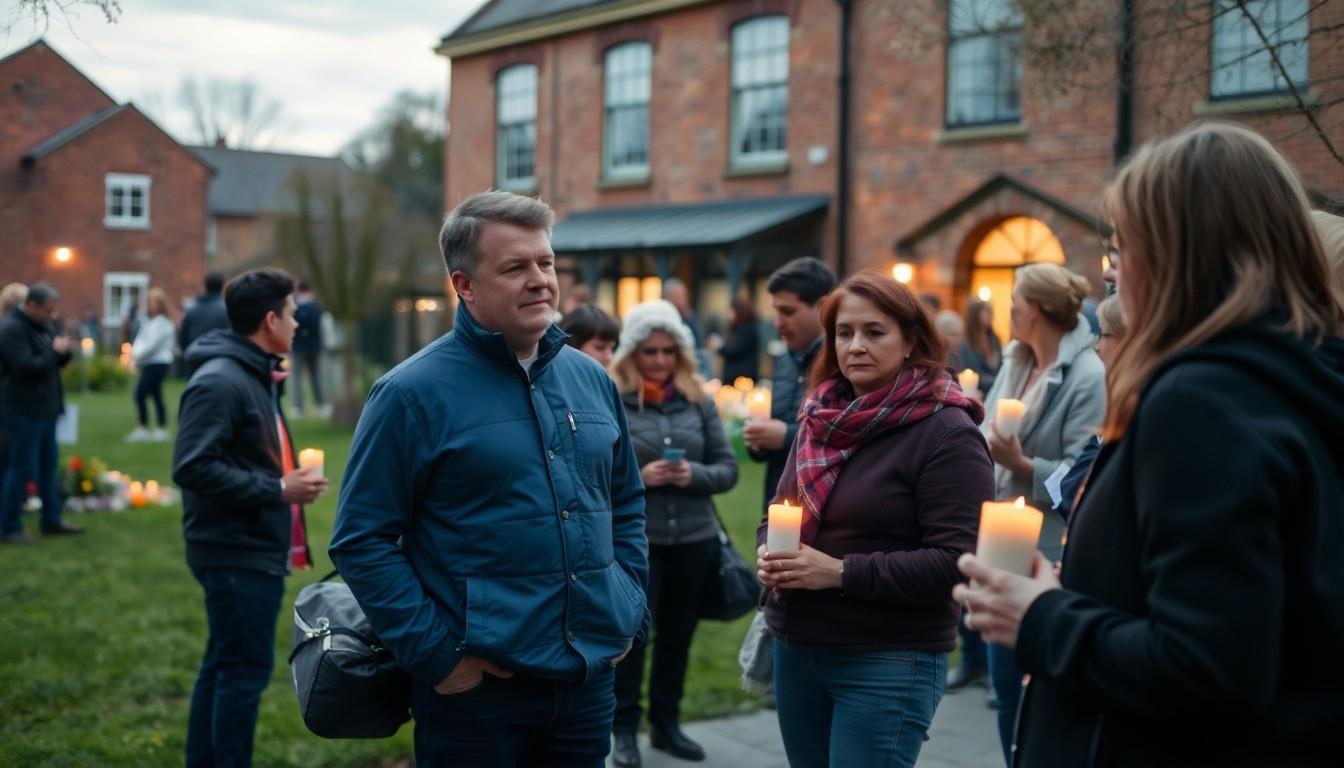
Shoppers, locals and festival-goers flocked back to a quieter, community-led Manchester Village Pride that swapped blockbuster headline chasing for grassroots energy, local acts and a renewed focus on LGBTQ+ charities , and it’s already shaping how the city stages Pride in future.
Essential Takeaways
- Community focus: The newly formed Manchester Village Pride CIC prioritised local performers, volunteers and Village culture rather than big-name ticket sales.
- Charitable payout: Profits from the event will be split between five core LGBTQ+ charities and organisations.
- Safer, calmer vibe: Attendees described a “quieter” Pride with drag queens performing around the bars and more street-level activity.
- Legacy issues: Manchester Pride previously went into voluntary liquidation after rising costs and reduced ticket sales left performers and suppliers unpaid.
- City backing: Manchester Council and the Equity union worked with local organisers to secure the parade, performer protections and civic support.
A different kind of roar: why Village Pride felt more intimate
This year’s festival arrived with a softer, more familiar buzz , think glittery pubs and packed street corners rather than stadiums and VIP rigs. Reporters and punters noted the sensory details: more outdoor drag sets, the smell of street food, and the clatter of umbrellas in a sudden downpour that somehow made the crowd feel closer.
The change came after Manchester Pride’s collapse into voluntary liquidation, which left suppliers and artists out of pocket and prompted a rethink about scale and purpose. Local stalwarts stepped in, forming a Community Interest Company (CIC) with council backing to re-centre the event on the Village and its people.
If you prefer Pride that’s about people before profit, this shift matters. It’s a reminder that festival atmosphere isn’t just about headline names; it’s about the drag queen on the bar doorstep, the choir at the candle vigil, and the neighbours who show up.
From liquidation to CIC: how the festival was reborn
Last year’s organisers said the event was “no longer financially viable,” and ITV reported the voluntary liquidation that followed. That collapse left performers and suppliers unpaid and created an urgent hole in the city’s calendar.
Local activists, bar owners and community figures answered that gap, negotiating with Manchester Council and the Equity union to establish Manchester Village Pride. The CIC arrangement aims to protect workers and ensure future profits go back into the community, while reducing the financial risks tied to mega-booking strategies.
Practical takeaway: community-led governance and union agreements can make a major city festival feel steadier and fairer , and they might be a template for other events.
What people actually liked: calmer, community-first programming
Attendees told reporters the festival felt more true to Pride’s roots. Rather than a march dominated by pop acts, drag performers reclaimed the streets, family-friendly spaces hosted events, and there was a tangible “village” atmosphere.
Organisers programmed a mix of acts , pop names alongside local favourites , and committed to charity distribution. That balance kept energy high without the pressure of selling out arenas. If your priority is atmosphere over autograph-hunting, Manchester Village Pride delivered.
Tip: look at the event’s programme online before you go to spot smaller sets and community talks that are easy to miss on the day.
Remembering, mourning and marching: the weekend’s serious moments
The weekend wasn’t all party. The Candlelight Vigil at Sackville Gardens honoured those lost to HIV and AIDS, and powerful speeches , including from the mayor and from Brianna Ghey’s mother , reminded crowds why Pride is also a political and grieving space.
Public figures and writers reflected on the region’s history with HIV/AIDS and the activism that changed outcomes. It’s a reminder that modern Pride holds celebration and memorial in the same weekend, and that civic leaders are now being watched for how they stand with trans and marginalised communities.
Context: these solemn moments give the festival depth; if you’re attending, make time for the vigils as well as the stage shows.
What next: protecting performers and keeping it local
After the turbulent year, organisers struck a deal with Equity to protect performers’ rights and pay, a move reported earlier this year. That’s a practical reform that should prevent repeats of last year’s unpaid invoices and build trust with artists and suppliers.
Meanwhile, the council has kept road closures and parade plans clear for future editions, and VisitManchester continues to promote the Pride parade as a flagship civic event. If the CIC model stays in place, expect a Pride that’s smaller in headline scale but richer in authenticity.
Looking forward, the question is whether this community-rooted model can sustain funding without reverting to big-name ticket sales. For now, the vibe on the streets suggests many welcome the trade-off.
It's a small change that can make every Pride weekend feel more like home.
Source Reference Map
Story idea inspired by: [1]
Sources by paragraph: