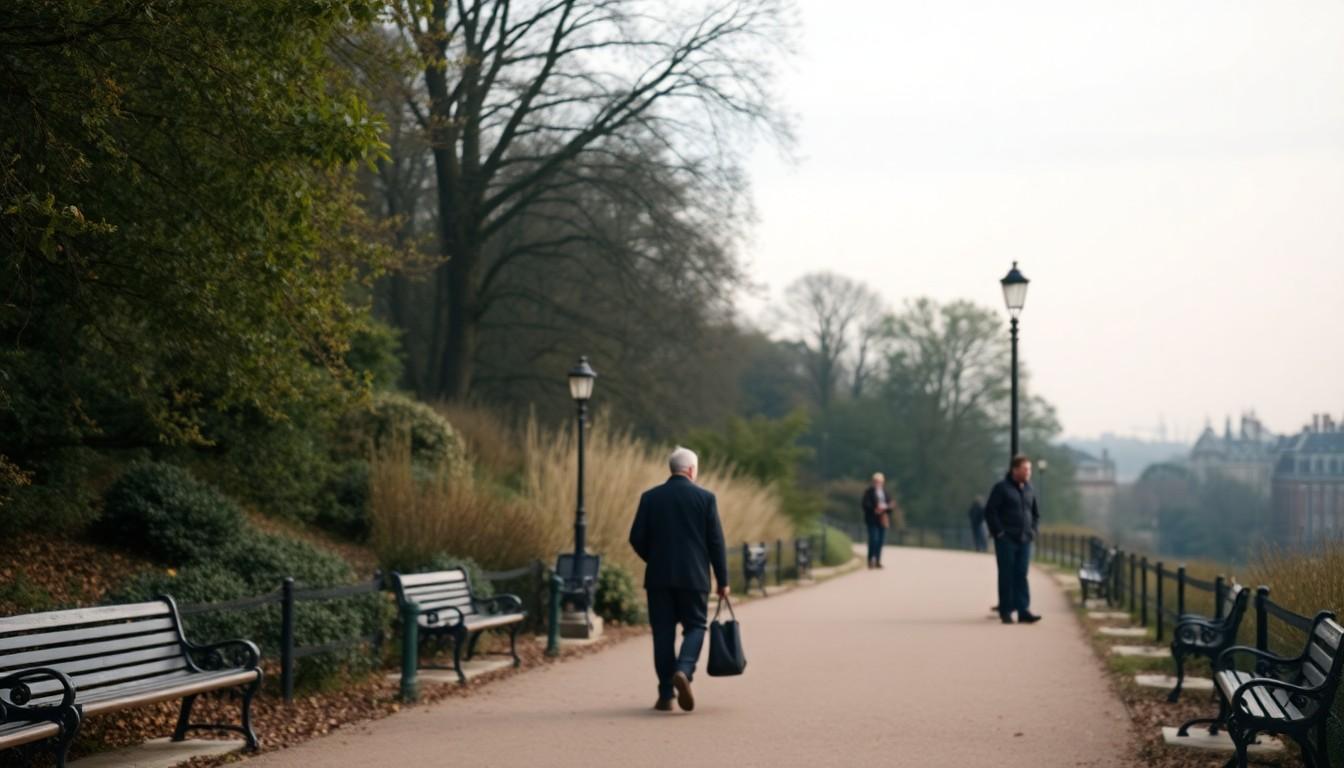
Notice the persistence of cruising: from Roman baths to modern parks, people have long found private ways to seek intimacy. This piece traces who cruises, why it’s been misunderstood, and why the debate matters for privacy, queer culture and safety in Britain and beyond.
Essential Takeaways
- Long history: Cruising has roots in public bathing and meeting places from antiquity through the 19th century, offering discreet encounters when same-sex desire was criminalised.
- Not only men: While male cruising has dominated discourse, research and testimony show forms of queer women’s cruising and flirtation, though often less visible.
- Cultural flashpoints: Films, police crackdowns and public health campaigns have shaped perceptions and policy, sometimes criminalising pleasure rather than protecting people.
- Safety and secrecy: Practical concerns, privacy, police harassment, and digital alternatives, shape how and where people meet today.
- Ongoing discussion: Conversations now link cruising to heritage, personal freedom and the right to public space, prompting fresh legal and social questions.
Why historians say cruising isn’t new , it’s ancient and sensory
Start with the baths: marble, steam and echoing vaults that carried whispers and laughter. Historians point to Roman thermæ, Ottoman hammams and later European baths as spaces where same-sex encounters occurred, often mixing hygiene with flirtation. These settings offered anonymity and a kind of theatre, a sensory backdrop that mattered , the heat, the close bodies, the slipperiness of social rules.
Scholars argue these practices persisted because legal and social sanctions pushed desire into semi-public spaces. According to historians and cultural critics, the pattern repeats across eras: when private options are scarce, people repurpose public architecture. That’s part of why cruising is best read as both a product of repression and a creative social workaround.
How male cruising came to dominate the story , and what gets left out
For much of the 20th century, gay male cruising became the hallmark image of queer public life, from park benches to “cottaging” in public lavatories. Media and policing focused on men, framing cruising as a moral panic and a policing priority. Films and tabloids amplified sensational incidents, turning private encounters into public controversies.
But queer historians and writers now ask whether this emphasis obscures women’s practices. Lesbians and queer women had different needs and risks, and they developed subtler codes , for instance, meeting in cafés, at certain dances, or through coded social networks. So while male cruising is visible in the archive, other forms of queer seeking deserve attention too.
When culture and clampdown collide , the role of media, police and film
Cruising has often been the subject of heated moral debate. High-profile films, police operations and tabloid exposes have all shaped public perception. In some eras, authorities treated cruising as a social problem to be solved through arrests or intrusive “scientific” interventions. That response turned private sexual behaviour into a pretext for surveillance and often harm.
Cultural works, meanwhile, can entrench stereotypes or provoke empathy. Documentaries and literary accounts that document the lives around cruising have helped reclaim nuance, reminding readers that these are people seeking connection, not caricatures. The lesson: policies that ignore dignity and context tend to do more damage than good.
How the digital age changed cruising , from parks to apps
You can still find people meeting in parks, but the smartphone changed the choreography of cruising. Apps and dating platforms offer speed and relative safety, but they also shift expectations and geography. Some older men still prefer traditional venues for the anonymity and ritual; younger people may choose online spaces for convenience and screening.
Practical takeaway: if you’re thinking about your own safety or privacy, consider location, visibility and consent. Know local laws, meet in daylight or semi-public places when you can, and tell a friend where you’ll be. Digital platforms add tools for screening, but they can also leave traces, so think about data and discretion.
Memory, museums and the future , why cruising matters as heritage
Conversations about cruising now include heritage: should we memorialise these practices? Some argue that recognising cruising’s history honours past resilience and reveals how queer communities carved out space. Others worry about romanticising risky conditions. The right balance is to document honestly , the longing, the danger, the solidarity.
Looking forward, debates will centre on public space, privacy law and how society supports queer intimacy without policing it. Preserving these stories keeps an often-hidden chapter of LGBTQ+ history visible, and that matters for younger generations seeking context for their own lives.
It's a small cultural thread with big implications for law, memory and everyday living.
Source Reference Map
Story idea inspired by: [1]
Sources by paragraph: