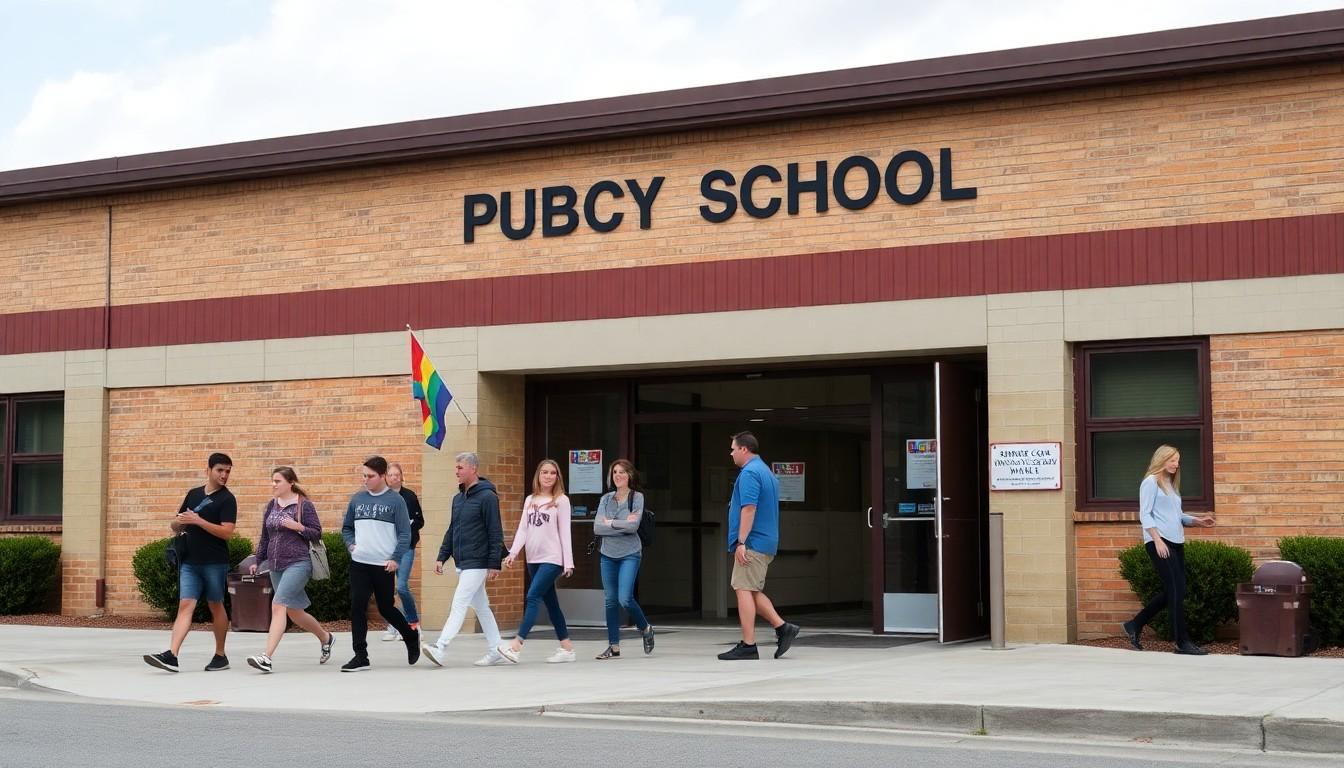
Shoppers of the news might think this is just another courtroom drama, but families are feeling the real-world costs: a South Carolina transgender teenager and his family moved states after sustained bullying and legal fights over which school bathroom he could use. This matters because it shows how policy, school culture and safety collide for LGBTQ+ students.
Essential Takeaways
- Case outcome: The student’s lawsuit against South Carolina’s bathroom restrictions was dismissed after the family relocated, ending this particular legal challenge for now.
- Why they left: The family said persistent bullying and discrimination in school made staying unsafe and untenable.
- Legal backdrop: State lawmakers tied school funding to bathroom rules and later passed the Student Physical Privacy Act; the Fourth Circuit briefly allowed the student to use the boys’ restroom during litigation.
- School response: Local officials denied tolerating harassment, saying the district is committed to preventing discrimination.
- Ongoing fight: Advocacy groups and Public Justice say they’ll keep pushing for protections and civil-rights remedies for transgender students.
What actually happened , a student uprooted by harassment and policy
The strongest detail here is simple and human: a teenager and his family moved away because school life had become unsafe and intolerable. According to reporting, the student, identified in court papers as John Doe, first sued in 2024 after being denied access to restrooms that align with his gender identity and after a suspension tied to using the boys’ bathroom. Backstory matters , this started when the child was in middle school and got steadily worse, with the family saying bullying and staff discrimination persisted through high school. For families watching this play out, the emotional cue is clear: policy becomes personal fast.
The law that set the stage , funding threats and a new statute
Legislative moves pushed the dispute into the spotlight. State lawmakers threatened to cut up to a quarter of county funding unless schools restricted bathroom access by sex assigned at birth, and the threat was followed by the Student Physical Privacy Act being signed into law. Those political decisions changed what schools could or would do, and advocacy groups say that created a hostile environment for trans students. If you’re trying to understand the practical effect, it’s this: a shift in state law can alter day-to-day safety and the enforcement choices of school officials.
What courts did , a temporary win, then dismissal
The judicial timeline is instructive. At one point the U.S. Court of Appeals for the Fourth Circuit issued a preliminary injunction that allowed the student to use the boys’ bathroom while litigation continued , a short-lived legal reprieve that signalled federal courts were willing to intervene on safety grounds. But with the family’s relocation, attorneys filed to dismiss the suit. Legal advocates describe the dismissal as a forced choice, not a legal defeat: they say the case ended because the child had to move, not because the underlying rights were settled.
School district pushback and the politics of blame
Local officials pushed back against allegations that schools tolerated harassment. Berkeley County School District representatives told local media they are “committed to preventing and correcting discrimination and harassment of any form,” offering a counter-narrative to advocates who say the state’s policies foment hostility. That contrast , district statements versus advocacy accounts , is common in these disputes. For parents, the takeaway is to ask specific questions of schools about anti-bullying enforcement, investigation timelines and what practical steps are taken when incidents are reported.
Why advocates say the fight isn’t over , next steps for supporters and families
Advocacy groups including the Alliance for Full Acceptance and Public Justice framed the dismissal as a consequence of hostility, not an end. They’ve signalled continued legal and community work to protect transgender students, and Public Justice emphasised that school officials still have a legal obligation to protect all students. For those wanting to help or protect a child, practical tips include documenting incidents, seeking local legal or advocacy support early, and checking whether schools have formal policies that match their stated commitments.
It's a small change to move, but a big loss for the community that stayed , and the legal and civic conversations are far from finished.
Source Reference Map
Story idea inspired by: [1]
Sources by paragraph: