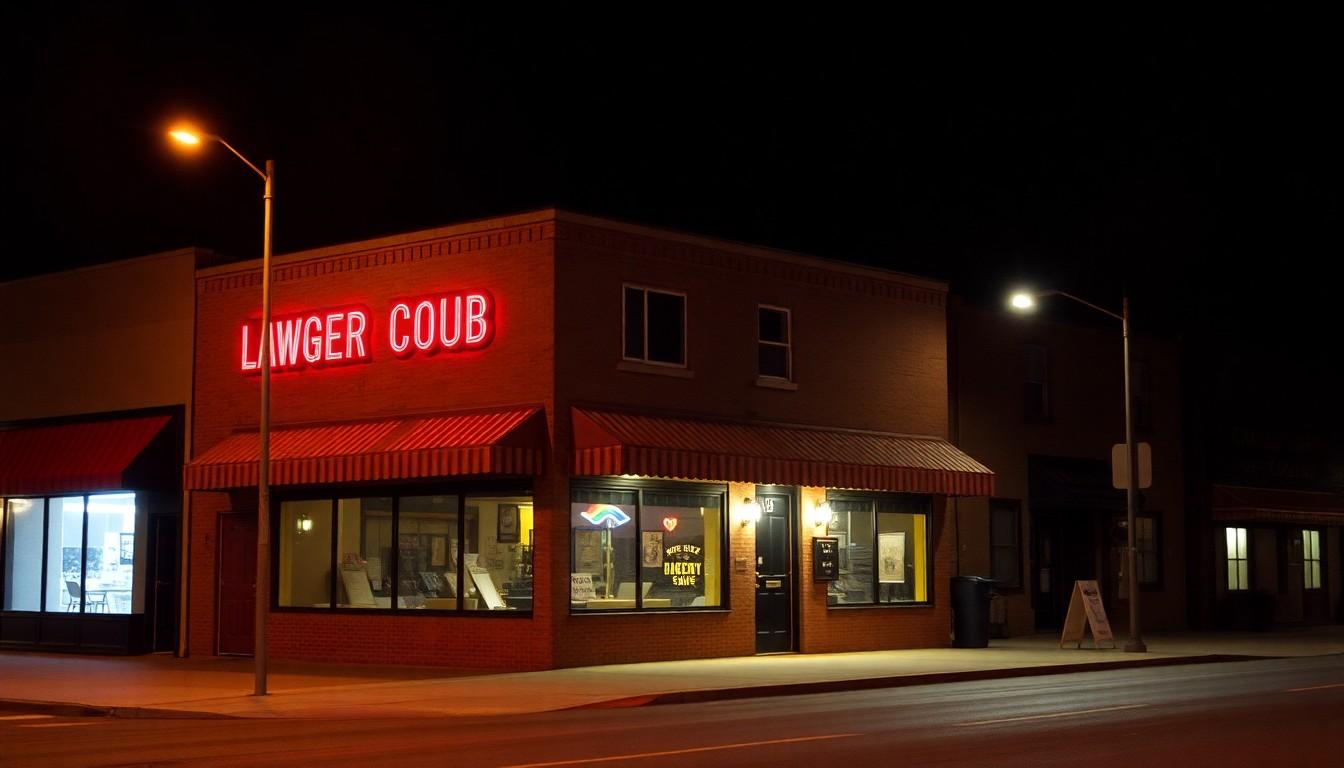
Shoppers, clubgoers and residents are on edge after a Sacramento man says he was chased, punched and left bloodied by four men who shouted anti‑LGBTQ and racist slurs in Lavender Heights early Sunday; the incident has reignited calls for better protection, community vigilance and clearer reporting of bias attacks in the neighbourhood.
Essential Takeaways
- What happened: A man told police he and a friend were chased and beaten near 20th and L streets after being taunted with anti‑LGBTQ and racist slurs.
- Injuries visible: Photographs show cuts, a bloody lip, broken glasses and blood on clothing; the victim sought help from nearby bar security.
- Police response: Sacramento police took a felony assault bias report and opened an initial investigation; no arrests have been announced.
- Community reaction: Local business owners and residents are calling for more awareness, safety measures and mutual support rather than only relying on more officers.
- Next steps: Officials are asking anyone with information to contact Sacramento police; the incident is feeding wider concern over anti‑LGBTQ vandalism and threats in the region.
A violent night in a neighbourhood meant to be safe
You expect Lavender Heights to feel colourful, loud and a little safe , but this attack left a man bloodied and shaken in a place he’d always trusted. According to the victim’s account, the group shouted slurs before chasing and repeatedly punching him, and his face hit the pavement while his assailants kept coming. Photographs of his injuries made the scene feel alarmingly immediate, a visual reminder that bias‑fuelled violence often leaves physical traces.
The incident unfolded just before 1am and, by the time police arrived, the suspects had already fled. Sacramento police say they filed a felony assault bias report and began an investigation, but there are no arrests yet. For people who live or work in nightlife districts, this kind of visible injury and rapid departure of suspects is frustratingly familiar , witnesses and CCTV matter, and so does community memory.
Why Lavender Heights matters , and why this hurts more
Lavender Heights is a hub for LGBTQ+ nightlife and small businesses, a space where people go specifically to feel accepted and seen. That’s why the attack has resonated beyond the immediate victim: it’s an affront to a neighbourhood identity built around celebration and safety. Business owners in the area described the incident as devastating and asked for more awareness and public‑safety resources, while the victim himself questioned whether more police alone are the answer.
There’s a real emotional cost here. When a place meant for solidarity becomes the site of an assault, it shifts behaviour , some people may think twice about visiting or expressing themselves openly. Yet the victim insisted he won’t live in fear, a line that both challenges attackers and reassures the community.
What other communities are seeing , a worrying pattern
This assault sits in a broader context of recent incidents across the region where pro‑LGBTQ displays and businesses have been targeted with vandalism, threats and arson. Local reporting and community outlets have covered similar episodes of vandalised signs, threatened events and damaged property, suggesting the attack is not an isolated blip but part of a worrying trend.
That pattern matters because it affects how people plan events, staff venues and engage volunteers. If vandalism and harassment rise, organisers tend to increase security, change opening hours or add screening measures , all of which change the feel of nightlife districts. For Lavender Heights, the challenge will be to remain welcoming while adapting to new safety realities.
Practical steps venues and visitors can take now
There’s no single fix, but there are practical things venues and patrons can do straight away. Train staff to de‑escalate and call for help quickly, keep visible security near exits, and make sure CCTV covers streets around front doors. Patrons can travel in small groups, stay in well‑lit areas, and flag suspicious behaviour to staff early rather than later.
Community mutual‑aid also helps: neighbours checking on one another, businesses sharing incident details, and volunteer marshals at busy times can make a night out feel safer. And when violence occurs, promptly reporting incidents to police and local LGBTQ+ organisations helps build a record that can justify public resources and better patrols.
Where to from here , accountability and community care
Police investigations take time, and arrests aren’t guaranteed, but public pressure and shared information often push cases forward. Local owners and residents have already called for more coverage and involvement; many stress that policing is only one piece of the puzzle. Community organisers, businesses and law enforcement will need to talk frankly about patrols, lighting, CCTV and bystander training.
The immediate priority is support for the victim and a clear channel for tips , anyone with information should contact Sacramento police. Beyond that, Lavender Heights will have to balance visibility and vigilance so the neighbourhood keeps being the lively, expressive space it was meant to be.
It's a small change that can make every night out safer and every voice feel protected.
Source Reference Map
Story idea inspired by: [1]
Sources by paragraph: