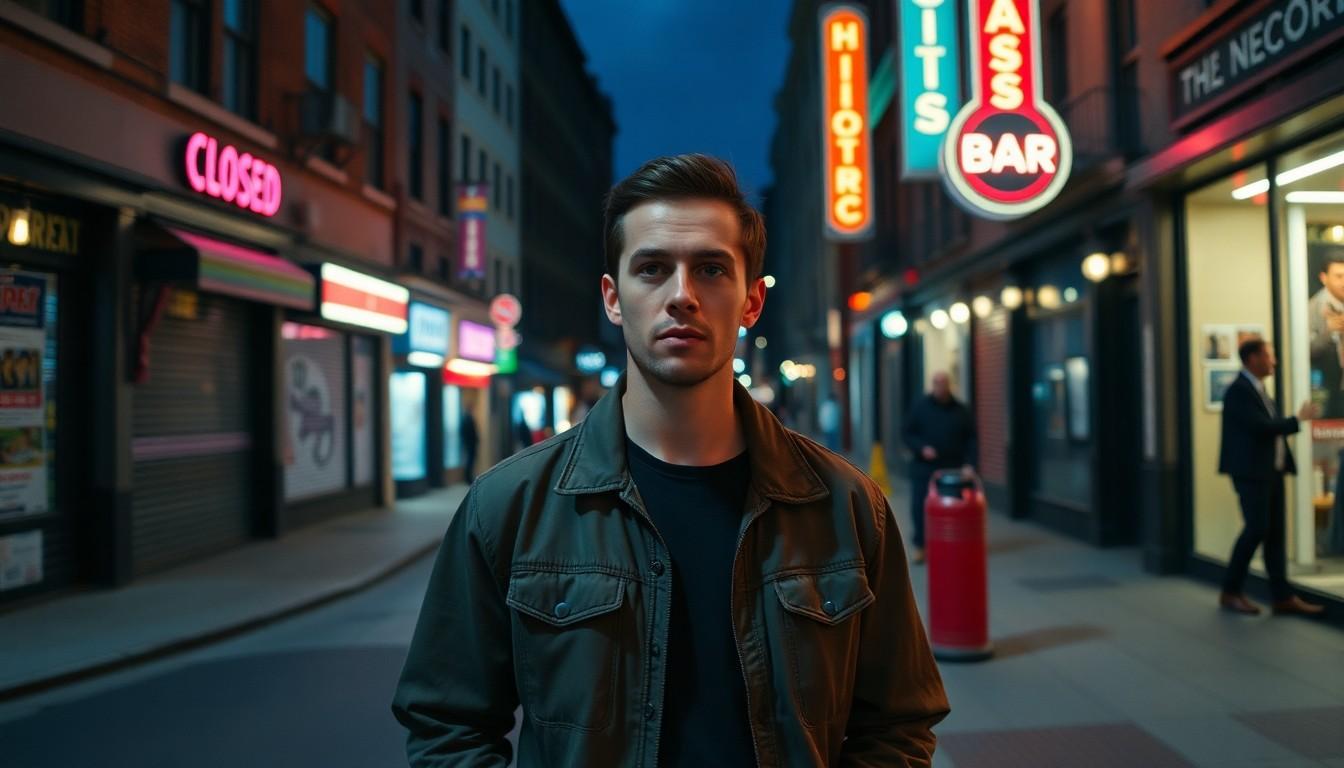
Shoppers and night‑owls are watching as Sacramento’s Lavender Heights reels from another violent incident; two men were assaulted near gay bars, leaving one bloodied and the neighbourhood asking why safe spaces feel suddenly fragile. This matters for locals, visitors and anyone tracking the rise in anti‑LGBTQ+ incidents.
Essential Takeaways
- What happened: Two men were assaulted late at night in Lavender Heights near 20th and L streets; one victim says attackers shouted anti‑LGBTQ+ and racist slurs.
- Investigation status: Sacramento police are treating the incident as felony assault with a possible bias motive; suspects fled and no arrests were made immediately.
- Local context: Lavender Heights has seen violent incidents before, including a deadly attack linked back to Halloween last year.
- Bigger picture: Anti‑LGBTQ+ incidents have been rising nationally, with California reporting the highest number of documented incidents in recent tracking.
- Community response: Calls for more police presence, community vigilance and better reporting are growing, while victims insist on not living in fear.
A brutal night that shattered a familiar buzz
The strongest image is simple and chilling: a man left bloodied on a street that’s supposed to feel safe, after being punched and taunted with anti‑LGBTQ+ and racist slurs. According to local reporting, the attack happened around 1 a.m. near several popular gay bars, and witnesses say four men fled the scene before police arrived. The visual of someone hurt in a place built for queer social life is especially raw , it’s the sort of detail that turns headlines into a neighbourhood crisis.
Police have opened an investigation into a possible bias motive and are treating the case as felony assault. For residents and business owners that sense of vulnerability is immediate, because it comes on top of earlier incidents in the same district. Expect updates as detectives follow leads and review CCTV from the area.
Why Lavender Heights feels different now
Lavender Heights was created as a visible, welcoming queer corridor , think neon signs, late‑night crowds and friends who promise watching each other’s backs. So when an assault like this occurs, it doesn’t feel random; it feels like an intrusion. Neighbours and business owners have said the attack undermines that welcome, and organisers are calling for stronger safety measures.
This isn’t the first time the area has been targeted. Last autumn, a violent assault outside a queer club left an activist in a coma and later dead, a wound that still stings the community. Those earlier incidents have already prompted local conversations about nighttime safety and the limits of informal vigilance.
How this fits into the national trend
Data trackers and advocacy groups have been sounding the alarm: anti‑LGBTQ+ incidents rose in recent reporting, and California recorded more incidents than any other state. Those figures don’t erase the local details, but they do place the Sacramento attack inside a broader pattern of increased reporting and concern.
Advocates argue these trends call for policy and policing responses, while civil‑society groups push for prevention strategies beyond arrests , education, outreach and better bystander training at venues, for instance. Expect debate about the right mix of enforcement and community measures as leaders discuss next steps.
What residents and visitors can do right now
Practical steps matter more than rhetoric on nights when the streets feel less secure. Local voices are urging more police coverage around peak hours, improved lighting, visible CCTV and coordinated watch‑in shifts between bars and staff. If you live or work in a nightlife district, consider simple safety practices: travel in groups, let someone know your plans, and flag suspicious behaviour to venue staff immediately.
Reporting also matters. The city and federal pages about biased‑motivated incidents and hate‑crime reporting explain how to file a complaint and what evidence can help investigations. More reports help build the record that persuades officials to act.
What leaders and neighbours are saying , and what comes next
Community leaders are calling for awareness and practical policing changes, while some residents say they won’t be driven out by fear. That determination is familiar in queer neighbourhoods , resilience mixed with frustration. Expect tighter coordination between clubs, advocacy groups and the police as they try to prevent repeat attacks and reassure patrons.
For now, investigations continue and the hope is simple: clearer answers, swift justice and a return to nights that feel safe again.
It's a small change in behaviour and policy that can help people feel at home again , and worth the effort.
Source Reference Map
Story idea inspired by: [1]
Sources by paragraph: