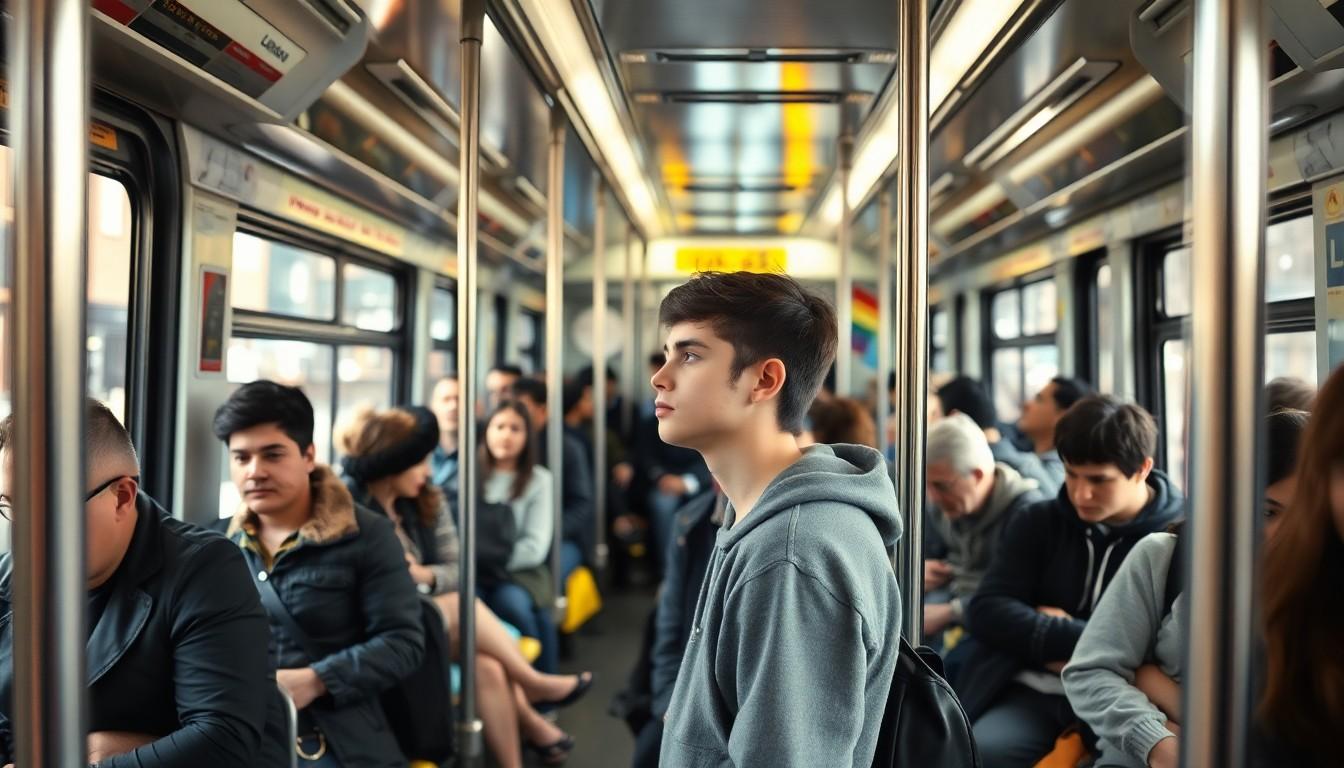
Witness alarming scenes unfold on public transport and streets is becoming a grim part of many queer people's summers, and it's not just about fear , it's about practical safety, civic response and how communities can push back. Here’s what happened, why it matters, and what to do next.
Essential Takeaways
- Real danger: Public homophobic assaults and verbal hate are on record in multiple cities, creating both immediate risk and lasting trauma.
- Transit hotspots: Busy, crowded buses and streetcars can become sites of targeted abuse; plainclothes interventions don’t always help.
- Reporting matters: Police hate-crime units and transit authorities investigate incidents, but victims often feel let down by bystander apathy.
- Practical steps: Carrying identification, knowing reporting channels, and using group or digital safety tactics can reduce vulnerability.
- Community response: Local unions, advocacy groups and fellow riders play a crucial role in prevention and recovery.
Why transit and streets have become flashpoints for public homophobia
Public transport and promenades are full of people, noise and the small anonymity of the crowd , a recipe for both petty harassment and escalated attacks. According to local reporting on transit hate incidents, vehicles and stations have been the scene of assaults and verbal abuse that are increasingly flagged to police. The cramped, overheated streetcar where one passenger was taunted shows how quickly a routine commute can become traumatising. For queer riders, the fear isn't theoretical; it's a sensory, physical thing , the sudden prick of being singled out, the smell of the carriage, a voice cutting across the car.
Why this matters: transit is essential for work, leisure and connection, and when it doesn't feel safe, whole parts of life shrink. Practical tip: if you can, travel with a friend during high-risk hours and sit where you feel most visible to others rather than isolated.
How authorities respond , and where that response falls short
Cities typically have hate-crime units and transit police who investigate reported incidents, and there are recent local news reports of investigations after assaults on buses or stations. Yet victims frequently describe bystander inaction and the oddity of plainclothes officials who appear more like passengers than protectors. That ambiguity can delay intervention and leave people feeling abandoned as the abuse continues. Official channels exist, but the pace and tone of follow-up vary.
Practical insight: after an incident, get the transit line and vehicle number, the time and, if possible, a photo or short video. File a report with transit authorities and the police hate-crime unit , doing both creates a paper trail that helps investigations and prevention plans.
Bystander behaviour: why people freeze and what actually helps
When a mob of strangers watches someone being harangued, the instinct is often to look away , a self-preserving freeze rather than active help. Yet studies and community organisers show that small acts from bystanders can defuse situations: directly naming the behaviour, offering to stay with the target, calling authorities, or filming from a safe distance can all shift the balance. It's a weird human truth that crowds can soothe an aggressor or embolden them depending on how people react.
Practical step: if you witness abuse, try a simple intervention like saying “Hey, that's not okay” or loudly asking if the person being targeted is alright. Those short, visible acts change the story from apathy to support.
Reporting, prosecution and support: what victims should know
Hate incidents can be prosecuted differently depending on jurisdiction, and police hate-crime units increasingly take such cases seriously. Still, victims often report feeling re-traumatised by the formal process or doubting that it will change anything. Support services , from local LGBTQ+ centres to victim support hotlines , can offer both practical help and emotional care, and unions or transit-worker organisations sometimes lobby for better protections after repeated incidents.
Practical advice: lodge reports with both the transit operator and the police, ask for a hate-crime designation if available, and contact a local LGBTQ+ support group for accompaniment and counselling. Keep records of medical or counselling visits to support any legal claim.
Small safety habits that make a big difference
You don't have to live in fear, but a few habits reduce risk and ease anxiety. Share your route with someone, keep emergency numbers and relevant apps on quick dial, and consider lightweight safety tools like personal alarms or a charged phone with location sharing enabled. Dress or move in ways that make you feel comfortable rather than defensive , your comfort matters. And if an interaction escalates, prioritise getting to safety and reporting the incident afterwards rather than engaging in risky confrontation.
Practical tip: set your phone’s emergency contacts and learn how to record location and time quickly. Many transit apps include a “report incident” button; bookmarking that function saves precious seconds.
Closing line It's a small change in habit that can help you feel a little safer on the street and on the tram; the real work, though, is collective , better policing, clearer transit responses and bystanders willing to step in.
Source Reference Map
Story idea inspired by: [1]
Sources by paragraph: