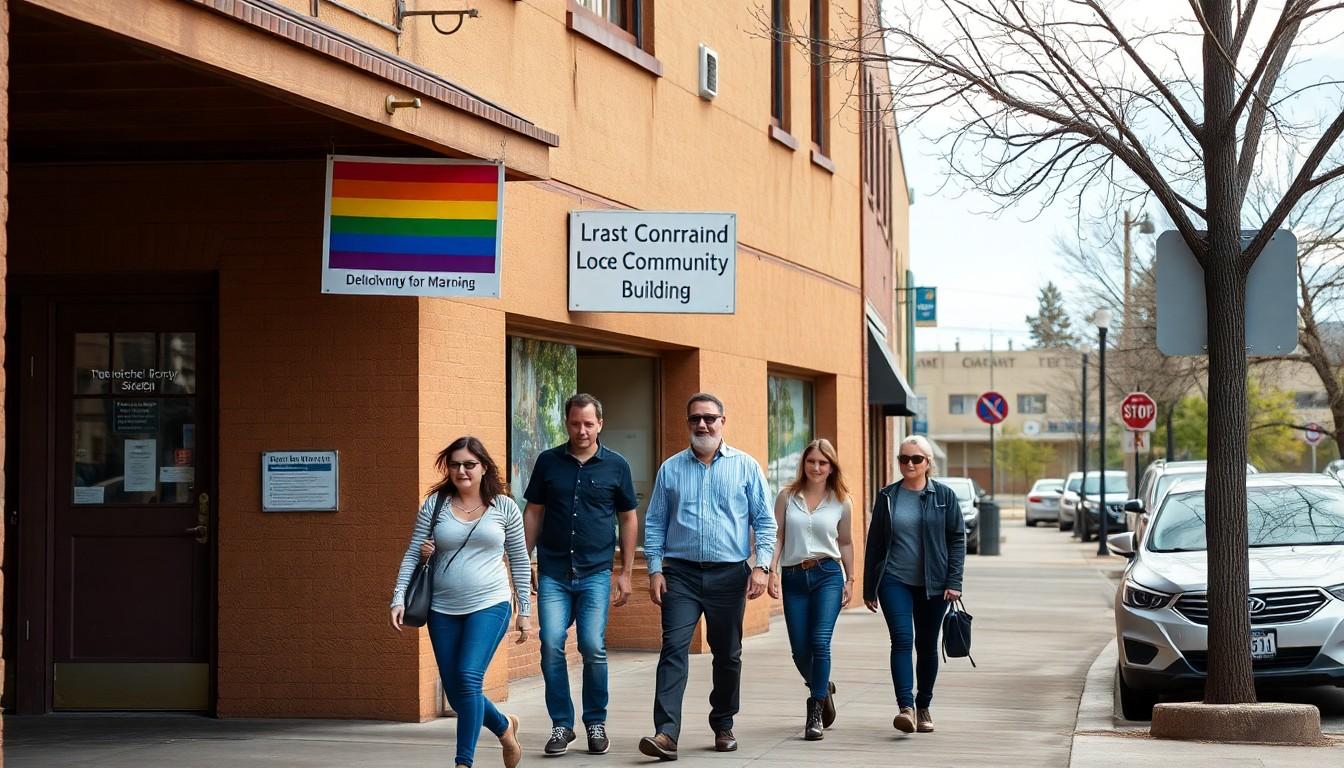
Watch how kindness, stubborn self-respect and small, steady generosity ripple from country stages to Main Street; citizens in towns from Tennessee to Durango are asking what it looks like to follow Dolly Parton’s lead in everyday life.
Essential Takeaways
- Iconic generosity: Dolly Parton has donated millions directly to disaster relief and funded the Imagination Library, giving away hundreds of millions of books to children.
- Boundaries with worth: She famously refused to sell half her song rights and kept control of her work, showing practical self-respect.
- Bridge-building voice: Parton has publicly supported LGBTQ+ people while keeping fans across political lines, modelling a blend of conviction and outreach.
- Local ripple effects: Community events, like Durango’s Wild Pride, reveal how inclusive gestures can provoke backlash , and, crucially, inspire allies to act.
- Practical kindness: Small, visible actions , attending a parade, giving a book, speaking up , make big differences where people second-guess whether they belong.
Why Dolly’s gestures matter beyond celebrity
Dolly Parton can make an entire city glow pink and get radio stations to sing in unison; that’s spectacle, sure, but it’s also language. According to coverage of the Empire State Building tribute, those public displays turn admiration into a shared moment. When a public figure uses spectacle to centre joy and generosity, it primes others to follow with quieter acts , a donated book, a volunteer hour, a lunch for a neighbour.
In Durango, the clash over a local Wild Pride event shows exactly how that plays out. The Herald reported that the event drew both warmth and hostile comments, and some residents said the tone pushed them to rethink staying in town. That’s the flip side of visibility: it proves inclusion matters to people who are deciding if a place is for them.
Generosity that’s practical, not performative
Parton’s giving is worth more than headlines because it’s targeted and repeatable. The Imagination Library started with one county and grew into a programme that has delivered books by the millions. She’s also written big cheques after wildfire disasters and handed cash directly to families. Those are choices people can copy: give what you can, and make sure it gets to people who need it.
If you want to act locally, think small and specific. Sponsor a child’s reading subscription, contribute to a relief fund after a local emergency, or donate items to a community centre. People don’t need to replicate celebrity sums , steady, targeted support creates trust and long-term impact.
Holding value: the lesson of saying no
One of the sharper stories about Parton is the night she said no to Elvis’s manager and refused to give up half the publishing on a song that would later become a global phenomenon. She cried, but she held her ground. That’s a useful model for anyone building a small business or protecting creative work: understand your worth, set boundaries, then let your work earn the return.
For community organisers and artists, that might mean retaining rights, negotiating fair terms, or setting donation thresholds that keep programmes sustainable. It’s the less glamorous side of generosity , making sure acts of kindness don’t burn you out financially.
How to be an ally in real life , simple, visible steps
The Herald’s reporting on local reaction to an LGBTQ+ festival shows how conversation can harden into exclusion if left unchecked. Bigotry often dissolves when someone meets a person rather than a category. So try these low-friction, high-impact moves: show up to events, bring a friend, share a meal with someone new, or simply say, “You belong here.”
Public figures like Parton don’t demand doctrinal purity; they model human decency and steady support. You don’t need a stage to do the same. Visibility can be as modest as leaving a book in a Little Free Library, putting a rainbow sticker in your window, or donating to a local LGBTQ+ helpline.
What communities lose when people leave , and what to do about it
When residents consider leaving town because they feel unwelcome, everyone loses: schools, businesses, cultural life. The Herald highlighted how hurtful online comments made some people question Durango as home. That’s why leaders, neighbours and local businesses should treat retention as part of community care: welcome campaigns, clear nondiscrimination practices, and public events that centre inclusion help.
Start with listening sessions, add practical supports like housing referrals or newcomer meet-ups, and make kindness visible , posters and policies matter. It’s the cumulative effect of many small choices that turns a town from tolerant to truly hospitable.
Closing line
Try a Dolly move today: give something small, hold your worth, and choose kindness when somebody reaches for your hand.
Source Reference Map
Story idea inspired by: [1]
Sources by paragraph: