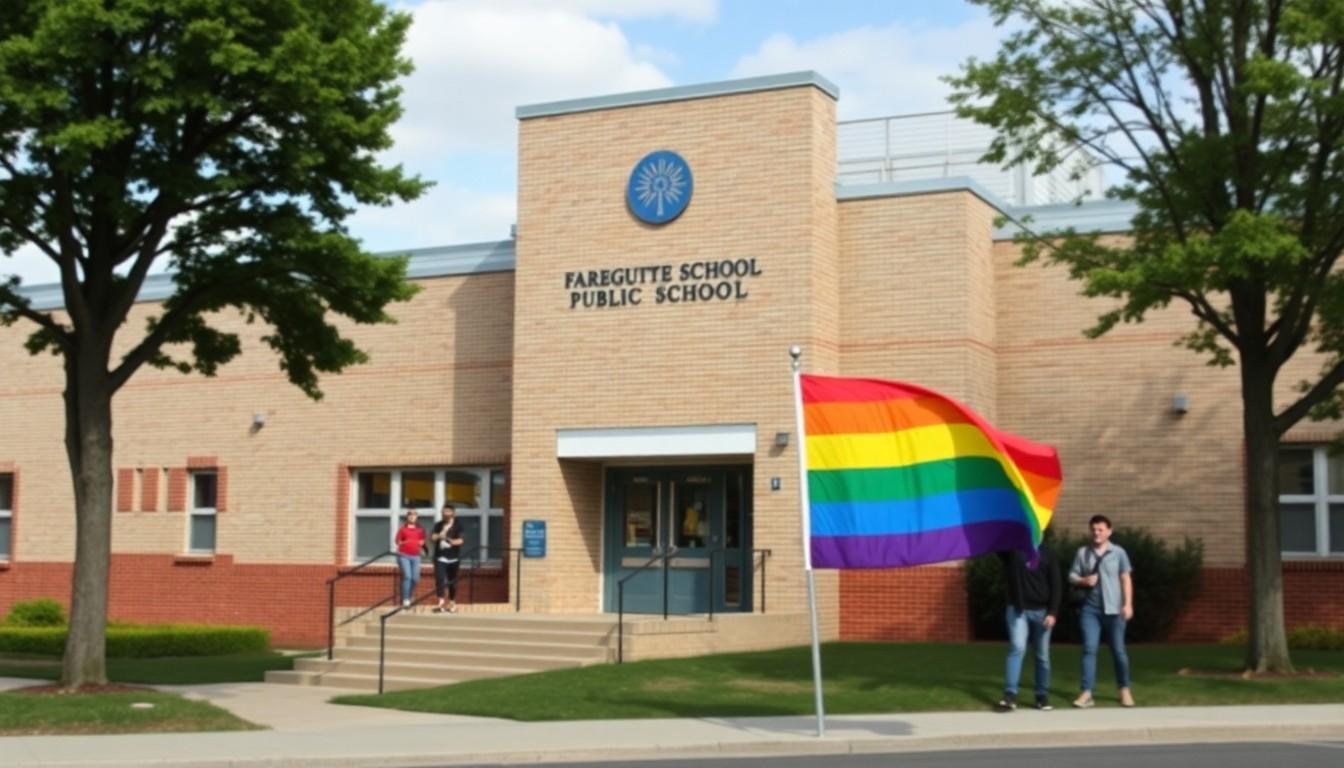
Notice how many parents are showing up again , at school gates and school boards , demanding to see what their children are learning and to choose what fits their family’s values. With new Supreme Court rulings, federal privacy rules and clearer opt-out rights, parents across the country now have practical tools to review curriculum, access records and push back when schools overstep.
Essential Takeaways
- Supreme Court backing: Recent high‑court decisions have reinforced parents’ rights to be notified and to opt children out of certain sex‑related or gender‑identity instruction.
- FERPA access: Parents can request full education records, including notes about names, pronouns or gender identity, and should cite FERPA explicitly.
- Inspect curriculum: The Protection of Pupil Rights Amendment lets parents ask to review instructional materials used with their children.
- Title IX clarity: Courts have interpreted Title IX protections as tied to biological sex for sex‑segregated spaces, affecting restroom and locker room policies.
- Take action steps: If a school resists, parents can file complaints with the Education Department or seek legal advice; documentation and polite persistence work best.
Why this is suddenly more than a board‑room squabble
Parents aren’t just grumbling on social media; they’re using legal tools to get concrete answers, and they can feel the difference , that small, satisfying click when a file drawer opens. According to recent Supreme Court opinions, courts are treating certain parental objections as weighty constitutional concerns, especially where religious objections or gender‑related instruction are involved. That shift matters because it transforms what used to be an uphill fight into a set of enforceable rights.
Backstory: pandemic lockdowns and remote classes exposed curriculum and school communications to parents in a way never seen before. As a result, many families discovered materials or policies they hadn’t been aware of. The legal moves you’re seeing now are as much a reaction to that transparency as to longstanding debates about parental authority in education.
How to ask for , and actually get , your child’s records
If you want to see everything a school holds on your child, start by making a written request and reference FERPA by name. Schools sometimes keep gender‑related notes in a separate file to avoid parental access, but FERPA’s scope includes records directly related to the student , that can cover chosen names and pronoun notes. Be specific in your request: ask for emails, health‑office notes, counselling memos and any file labelled as relating to gender identity.
If the school stalls, document every interaction and escalate. The Education Department handles formal complaints, and filing one is a viable next step when local channels fail. Keep copies of requests and proof of delivery; a calm, organised approach often gets faster results than an emotional confrontation.
What “opt‑out” really looks like in practice
Recent court rulings have made it clearer that parents can be given a chance to opt children out of certain lessons, particularly sex‑related or LGBTQ‑inclusive storytimes, when those lessons clash with sincerely held religious beliefs or parental objections. That doesn’t mean every parent can veto every book or unit, but districts are now on notice that a hardline refusal to offer opt‑outs can be legally risky.
Here’s a simple playbook: learn your school’s opt‑out procedure, submit a timely written objection, and request alternative assignments if necessary. If the district refuses, ask for the specific legal rationale in writing; you may be able to use that in a complaint or consultation with a lawyer.
Inspecting materials , what the Protection of Pupil Rights Amendment lets you do
The PPRA gives parents the right to inspect instructional materials used in connection with surveys, analyses or evaluations that cover personal topics. Practically, that means you can request to review books, handouts and curricula that touch on sex, politics, religion or mental health. Schools must provide an opportunity for inspection.
A tip: schedule a time to view materials rather than demanding copies at once. Many schools will be more cooperative if you show up prepared and respectful. If you want digital copies, ask; some districts will scan or send PDFs to avoid logistical headaches.
Title IX, sex‑separated spaces and what schools can do now
Title IX still protects sex‑separated spaces in schools that receive federal funds, and recent judicial interpretation has emphasised a biological‑sex understanding in certain contexts. That affects policies on restrooms, locker rooms and teams. Parents who prefer sex‑separated facilities for their child can raise that as a policy concern and ask what the school’s practices are.
Practical advice: read your district’s written policies on facilities and accommodations, and request a meeting with administrators if the practice on the ground doesn’t match the paperwork. Schools will often seek practical solutions that respect student dignity while complying with law.
When to escalate , complaints, counsel and community action
Most disputes are settled locally with clear requests, friendly persistence and documentation. But if a school refuses to comply with FERPA, PPRA or fails to offer lawful opt‑outs, you can file a formal complaint with the Education Department or seek legal counsel. Community pressure also works: attending board meetings, building relationships with sympathetic trustees, and working with parent groups amplifies concerns.
One human note: this isn’t just about legal doctrine for most families, it’s personal. Approach conversations with curiosity and firmness; schools respond better to parents who are informed and calm than to those who arrive solely with anger.
It's a small change that can make every school year a little more transparent and a lot more under your control.
Source Reference Map
Story idea inspired by: [1]
Sources by paragraph: