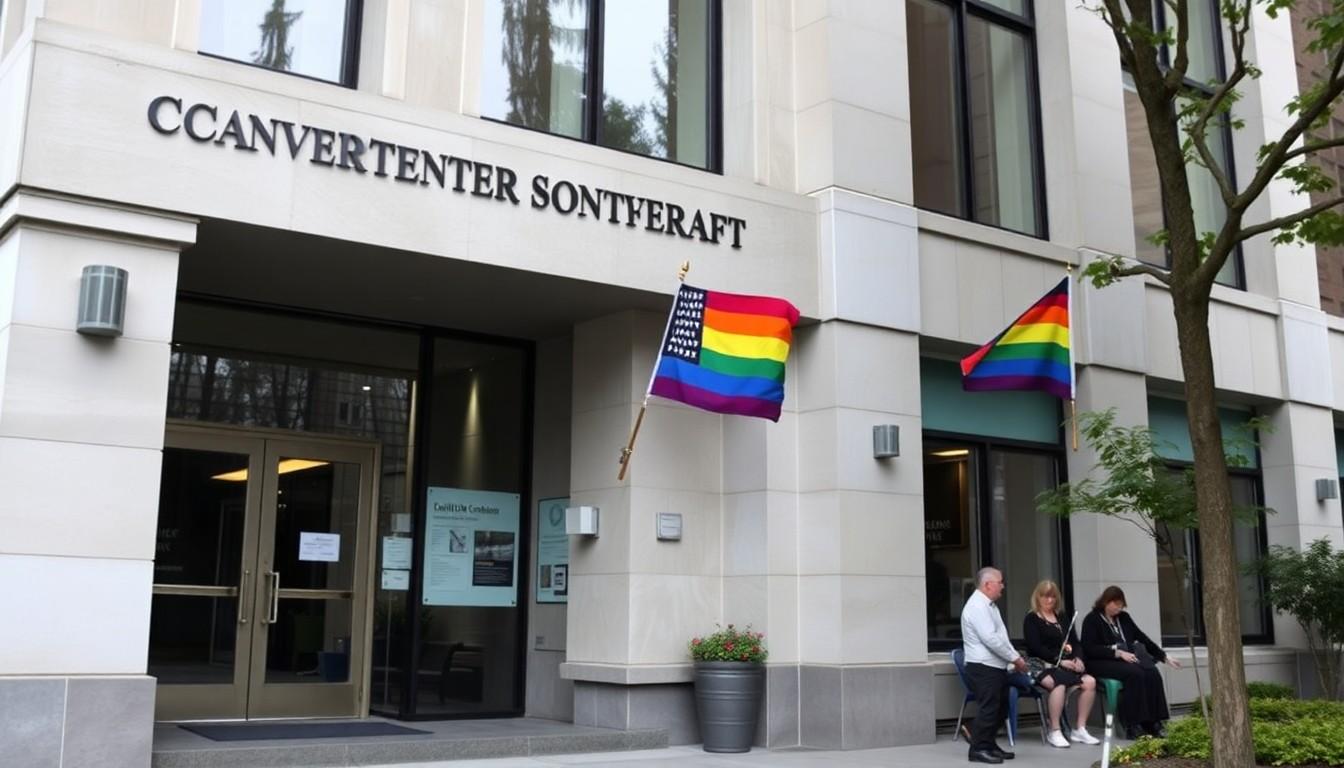
Shoppers are turning to a campaign urging LGBT ex-service personnel to apply for financial redress after the pre-2000 “gay ban” , Fighting With Pride says only a handful have claimed so far, and many eligible veterans risk missing out before the December 12 deadline.
Essential Takeaways
- Low take-up: Only four people have claimed under the scheme so far, charity figures suggest.
- Many still eligible: Fighting With Pride estimates around 1,000 eligible veterans have yet to apply.
- Money on the table: Successful claims can include a £50,000 discharge payment plus up to £20,000 in impact payments.
- Women underrepresented: Fewer women veterans have come forward than expected, despite high reported rates of mistreatment.
- Support available: Fighting With Pride is offering targeted help to guide applicants through the process.
Why so few claims? The human cost is still raw
It’s striking how small the number of claimants is, given how long the policy affected people. According to Fighting With Pride, only four veterans had claimed the financial redress at the time the charity shared its figures. That low take-up often comes down to the emotional labour involved , revisiting traumatic experiences, the fear of publicity, and the paperwork can feel overwhelming.
The charity launched its Battle for Lost Veterans campaign to reach those who’ve stayed silent. Fighting With Pride says it will help anyone impacted to apply, which matters because legal and bureaucratic support can turn a daunting process into a manageable one.
Women veterans: the quiet majority of suffering?
Campaigners are particularly concerned about women veterans. The judge-led inquiry found 61 per cent of women participants reported mistreatment, yet less than half of the people coming forward so far are women. That gap suggests a mix of barriers , different patterns of discrimination, less awareness, or simply greater reluctance to re-open old wounds.
Royal Navy veteran Dawn Loynes has spoken publicly about her unlawful 1994 dismissal and how recognition and reconnecting with service life helped her heal. Her message is simple and practical: you don’t have to do this alone, and sharing your story can encourage others.
What you can get , and why you should act now
The redress scheme offers a £50,000 discharge payment and up to £20,000 in additional impact payments. That’s significant financial recognition for suffering that often affected careers, housing and mental health. The Government set aside £75 million for the scheme, and nearly £20 million remains undistributed , a clear sign many awards haven’t been claimed.
There’s a hard deadline: December 12. If you think you may be eligible, start gathering service records, discharge papers and any supporting statements as soon as possible. Fighting With Pride and similar organisations can help with evidence and the application form.
How to decide whether to claim , practical steps
First, check your service dates: the ban covered 1967 to 2000. Next, look for documentation , official discharge letters, medical notes, or contemporaneous records help. If records are thin, witness statements from former colleagues or friends can support a claim.
Use trusted charities for guidance. Fighting With Pride is explicitly offering assistance to help applicants navigate forms and prepare evidence, and its campaign materials explain eligibility and next steps. A solicitor isn’t essential for everyone, but legal advice can help if your case is complex.
What this campaign means for the wider armed forces community
This push is about more than money , it’s about recognition and restoring dignity. Peter Gibson, the charity’s chief executive and a former MP, has framed the work as finding “every last veteran who’s owed justice.” That’s a public reminder that institutional wrongs don’t vanish just because policy changes.
If more veterans come forward now, it could also shape how support and outreach are handled for future redress schemes. For many, receiving recognition and reconnecting with a military community has been as important as the payment.
It's a small change that can make every claim count.
Source Reference Map
Story idea inspired by: [1]
Sources by paragraph: