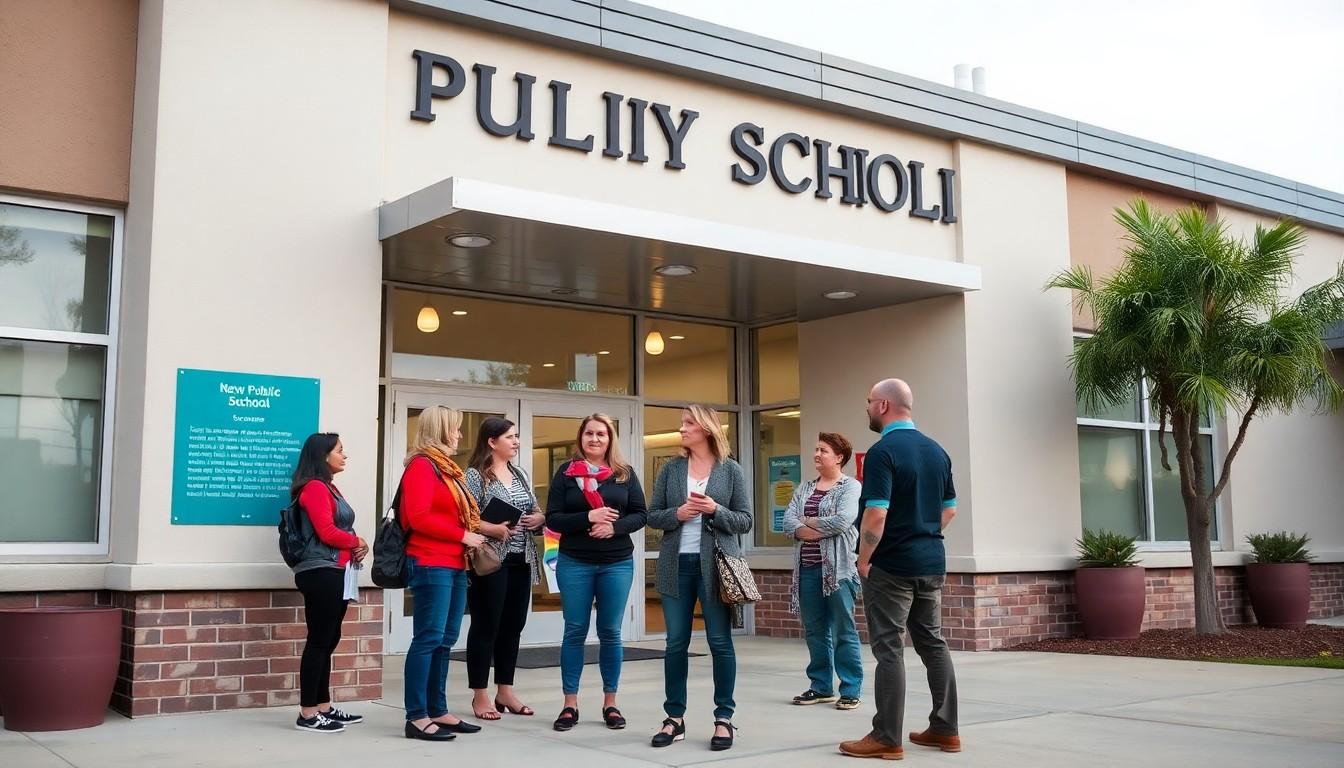
Shoppers, sorry, readers, are seeing a different kind of back-to-school movement: advocacy groups across Los Angeles County are organising workshops, legal briefings and school partnerships to support gender-diverse students and push back on culture-war fights that threaten safe classrooms. Here’s what’s happening, who’s involved and why it matters for families and teachers.
Essential Takeaways
- Community action: Local chapters and coalitions like PFLAG Los Angeles are running virtual and in-person workshops to help parents support gender-expansive children, build inclusive home environments and navigate school interactions with confidence.
- District commitments: Los Angeles Unified’s Office of Human Relations, Diversity and Equity continues to reinforce protections for gender identity, inclusive literature and all-gender facilities in district schools.
- Legal clarity: Education coalitions are hosting legal-rights seminars so families know California protections and how to respond to challenges to inclusive curricula.
- Campus support: Colleges and student centres across LA, from USC’s LGBTQ+ initiatives to community-college rainbow centres, provide continuity and resources for older teens transitioning to higher education.
- Grassroots energy: Smaller groups and youth-led organisations are amplifying voices, offering peer support, and linking families to policy and practice resources.
Why advocacy groups are front and centre this term
There’s a palpable energy this autumn as classrooms reopen, and it’s not just new pencil cases and folders you can feel. Local advocacy groups have mobilised because debates over curricula, pronouns and student privacy have intensified, and parents and teachers want clear, practical help. According to PFLAG Los Angeles, workshops are aimed at equipping caregivers with everyday strategies , how to have conversations, manage school meetings and create supportive routines at home. That hands-on support can make a nervous parent feel steady, and a young person feel seen.
Districts are reinforcing protections , what that looks like
School systems aren’t sitting on the sidelines either. Los Angeles Unified’s diversity office has been reiterating policies around gender identity protections, inclusive reading lists and access to all-gender facilities, so staff and families have a baseline to rely on. This kind of institutional backing matters because it creates consistency day to day. If you’re a teacher wondering what to do in the classroom, or a parent attending a school board meeting, having district policy on your side removes a lot of guesswork and anxiety.
Workshops, toolkits and legal seminars , practical support for families
Community meetings are no longer just talk. The programmes coming from PFLAG chapters and allied organisations include role-play scenarios, template letters for schools, and walkthroughs of California’s student-rights laws. Families tell organisers these resources are priceless , they take the abstract worry and give concrete steps. If you’re choosing what session to join, look for ones that cover both emotional support and practical steps like documentation and school-request templates.
College and campus connections keep older teens anchored
Support doesn’t stop at Year 12. University and college initiatives, such as USC’s LGBTQ+ programmes and community college Rainbow Centres, offer counselling, peer groups and transition advice for students moving from school to higher education. For teenagers planning the next step, these campus resources are a lifeline , they provide a familiar network, continuity of care, and advice on navigating residence life and academic policies that might differ from school settings.
Youth leadership and grassroots strain power upward
Young people aren’t just recipients; many are leading the charge. Youth-led groups are hosting peer-support meetups, advocating at school board meetings, and partnering with legal-aid coalitions to challenge harmful policies. That grassroots energy shifts the tone in a school, because when students speak up , calmly, clearly and repeatedly , it changes how adults respond. Expect more of these initiatives to evolve into sustained civic-engagement programmes.
Closing line It’s a small but meaningful shift: better-informed families, firmer district policies and a louder youth voice can make the school day safer and steadier for gender-diverse students.
Source Reference Map
Story idea inspired by: [1]
Sources by paragraph: